Articles by Dr. Gene Bruno, DBM, MS,RH(AHG), The Vitamin Professor
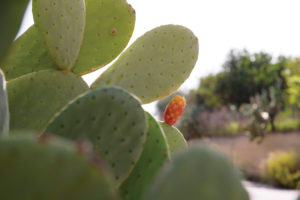
Opuntia ficus-indica Fiber for Weight Loss & Metabolic Syndrome
Opuntia ficus-indica, aka, “prickly pear,” is the most widespread and most commercially important species of cactus and is grown in agricultural economies throughout arid and semiarid parts of the world. Common names for the plant and its fruit are nopal, Indian fig opuntia, Barbary fig, cactus pear, prickly pear and spineless cactus, among others.1,2 In ...
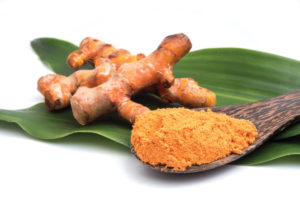
Bioavailable Curcumin for Pain
Turmeric, and more specifically its primary active constituent known as curcumin, has been used extensively in ancient and modern times for its medicinal qualities.1,2 Not surprisingly, curcumin is one of the most popular nutraceuticals in use today. In fact, a study3 by Grand View Research, Inc. indicates that the global curcumin market will reach $94.3 ...
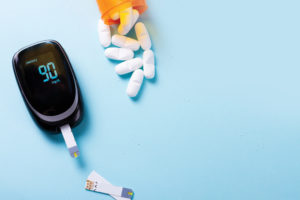
Chromium/Herbal Complex for Glucose & Cardiovascular Health
Cardiometabolic syndrome (CMS) is the quintessential disorder of the late 20th century and the 21st century. It is comprised of metabolic dysfunctions primarily characterized by insulin resistance, impaired glucose tolerance, dyslipidemia (e.g. high cholesterol and triglycerides), hypertension, inflammation and central adiposity (a major contributor to increased cardiometabolic risk.)1,2 In fact, the World Health Organization and ...

Resveratrol and the Coronavirus
By Prof. Gene Bruno, MS, MHS, RH(AHG) Huntington University of Health Sciences In 2017, an in-vitro study1 examined the antiviral effect of resveratrol against cells from coronavirus infected patients. Results showed that resveratrol: Significantly inhibited coronavirus infection Significantly prolonged cellular survival after virus infection Decreased the replication of nucleocapsid, a protein essential for coronavirus replication Down-regulated ...

Xylooligosaccharides: The Low-dose Prebiotic
Dietary prebiotics are typically fiber compounds that human beings cannot digest. However, prebiotics can be digested by the friendly probiotic bacteria that reside in our gut, nourishing them, stimulating their growth or activity and helping them to colonize the large intestine.1 In the world of dietary supplements, there are several prebiotics from which to choose—perhaps ...
French Grape & Wild Blueberry Extracts to Enhance Memory and Learning Capacity
Dietary supplements marketed as cognitive enhancers generally fall into two primary categories: those that enhance memory in aging adults with cognitive decline, and those positioned as nootropics—supplements that improve one or more aspects of cognitive function in healthy people of different age groups, including students. Often, research on nutraceuticals used in either type of supplement ...
Resveratrol Prevents Bone Density Loss in Patients With Type 2 Diabetes
By Prof. Gene Bruno, MS, MHS, RH(AHG), Huntington University of Health Sciences Patients with type 2 diabetes (T2DM) have an increased risk of fracture, and researchers are continually searching for strategies to help prevent bone loss and reduce fracture risk. One potentially promising strategy is the use of resveratrol. Preclinical Research on Resveratrol for Bone ...

Phosphatidylserine: A Nutraceutical for Mental Performance, Mood and Stress
Given the title of this article, it may be your impression that I am positioning phosphatidylserine (PS) as a “brain nutrient.” If so, you are correct. The fact is that this phospholipid is an integral component in the structure of the brain and spinal cord, and is active at cell membranes (including synaptic membranes which ...

Quercetin Phytosome for Inflammation, Athletic Performance and More
Athough a mainstay in the dietary supplement industry, quercetin is one of those nutraceuticals that many people seem to struggle with when asked the question, “What does it do?” This article attempts to provide elucidation, with a specific focus on quercetin phytosome. Categorically, quercetin is a flavonol—one of six subclasses of flavonoid compounds1—that naturally occurs ...
The Effects of Five Different Sweeteners on Weight Gain/Loss
By Prof. Gene Bruno, MS, MHS, RH(AHG) Huntington University of Health Sciences The public and health care professionals alike have always had a love/hate relationship with low-calorie sweeteners—especially artificial sweeteners. Many like that fact that these sweeteners have no calories but dislike the fact that they are synthetic. I do understand the sentiment. This is ...
Don't Miss Out!


Industry Professionals
Stay Informed!
Stay informed about the latest health, nutrition, and wellness developments by signing up for a FREE subscription to Natural Practitioner magazine and digital newsletter.
Once subscribed, you will receive industry insights, product trends, and important news directly to your doorstep and inbox.