Do you really need to invest in media training? The simple answer—yes. It’s not only an important component of a successful communications strategy, but also a way to up your game, enhance your reputation, and generate awareness for your expertise. For example:
• You’re a naturopathic doctor and prospective patients don’t know about you, or evidence-based natural and integrative care choices to improve outcomes at lower costs.
• You want to respond to the media’s lack of understanding about naturopathic and integrative care and its value.
• You’ve participated in media interviews and made community and industry presentations but still want to connect with audiences more effectively.
If you are facing these challenges, media training can be the perfect antidote.
Doctors are some of the most trusted professionals and positioned to be messengers of health and wellness news and information that can resonate and inspire audiences, as well as put them at ease during times of a health crisis. Thus, media opportunities are too influential to ignore.
Health and medical expertise is a valued commodity for nearly every news outlet, be it broadcast, print or online media. Today’s health professional executives must be able to communicate effectively with a variety of audiences, including their peers and the wellness community at-large. That’s why having professional media training is necessary.
Quite often, an interview fails to result in positive coverage because a health expert’s comments and responses are simply not newsworthy. By understanding what will and won’t make a story for the media, health professionals who come away from training sessions will have a better understanding of what it takes to garner positive media coverage.
In media interviews, whether conveying good news about health procedures, scientific studies, products, services, or even more importantly, commenting on a serious health issue, it is imperative to be prepared with the strategies and tactics to deliver an effective performance.
One wrong word during a media interview and your reputation and that of your entire organization could go down the drain. That, along with a lack of understanding of how the media works, at what speed, and what reporters and producers who interview you or your representatives are looking for, can easily diminish the profile of your group.
According to Gina Nick, NMD, PhD, founder and chief executive officer of Southern California-based HealthBridge Medical Centers, doctors are not taught in medical school how to speak to, let alone connect with, a large audience, or how to present themselves in the media.
“Doctors are used to speaking a language that can be perceived as boring and overly complex, so we need help to share health and medical concepts and ideas in an authentic voice that is well received, and relatable to the public audience,” said Dr. Nick.
What’s Involved
Media training is the most effective and reliable way to prepare for all media engagements and industry events. Training sessions provide an extensive background and perspective on the media landscape and its processes that can be readily implemented for immediate impact. Coupled with the benefits of simulated interviews with experienced journalists, the learned skills result in a detailed understanding of how to leverage interviews and speaking opportunities that are impactful.
Training addresses the unique needs of doctors and senior health executives who have had no formal training, need to prepare for an upcoming media opportunity whether that occasion involves conveying good news or discussing a serious problem or might benefit from personalized guidance. Sessions are usually customized to meet the time constraints and specific needs of the individual to be trained.
While there is no such thing as a guarantee for broadcast media coverage because a natural disaster can often preempt scheduled programming, media training is the most effective and reliable way to prepare for potential media engagements. An initial training session, which can last approximately three hours, helps equip individuals with strategies and tactics that can be readily implemented for immediate impact. Coupled with the benefits of simulated interviews with experienced journalists, the learned skillsets result in a detailed understanding of how to leverage interview opportunities and prepare to be impactful.
Who Can You Turn To?
Plenty of firms conduct media training often as an add-on to clients, but those with real broadcast media and journalism experience and understanding of media processes distinguish themselves from basic PR firms offering this service. Keep in mind, a media interview is a high-stakes opportunity to promote your brand, be it a private practice, hospital or clinic. So, you need training from experienced, highly qualified media trainers and journalists working under confidentiality agreements to give participants valuable and realistic media interviews followed by detailed, constructive feedback.
To that point, Tim Disa Sr., a seasoned broadcaster, radio personality and media entrepreneur who founded RadioMD, the company that operates the DoctorPodcasting system and produces and distributes podcasts on behalf of hundreds of hospitals and health care systems, noted, “You know the old saying about those that can, do, and those that can’t, teach. A more appropriate saying when it comes to seeking media training is those who once did, teach better than those who never did, so yes, in most cases it makes sense to be trained by someone who has been on the field and played the game. Former media representatives who have practical experience can offer valuable firsthand knowledge of how to navigate media interactions effectively and provide real-world examples, tips, and strategies based on actual experiences.”
The Process
What is involved in a media training session? Doctors will develop an understanding of what journalists who interview them are seeking. Participants tend to find their own authentic voice and learn tricks and tips they can use to engage audiences and manage difficult questions.
• Preparation sessions provide an overview of the interview process, media, opportunities, what makes a good media story, key message conveyance, appearance and attire, and desired outcomes to establish expectations and define success.
• Research, coaching and feedback highlights the applicable media landscape, identifies participant strengths and weaknesses, learn about their key business objectives, and provide strategies to maximize assets.
• Mock interviews or “simulations” tailored to subject matter, media outlet or platform types and interview scenarios such as press briefings, news conferences, or remote and in-studio interviews are conducted to employ tactics and create confidence.
• Performance analysis of the videotaped interview and participant performance will identify successes and growth opportunities. This review also includes a Q&A session to gain further insights.
• Post-training report provides a detailed assessment with key areas of focus, and ongoing support for participants navigating media opportunities.
The American Academy of Ophthalmology (AAO), a professional medical association based in San Francisco, CA, with a membership of 32,000 medical doctors includes more than 90 percent of practicing ophthalmologists in the U.S. The AAO has been a proponent of media training for more than 20 years.
Andrew Iwach, MD, clinical spokesperson for the AAO and ophthalmologist at the Glaucoma Center in San Francisco said, “The American Academy of Ophthalmology holds media training every year at their annual conference, where physician members have the opportunity to learn best practices for media interviews and can practice these skills in mock interview settings. We as physicians have the important role of educating our patients on critical, and sometimes complex, eye health topics. Media training is a highly valuable tool for polishing our communication skills.
“If you opt to have your media training conducted as a group session, like the Academy does, hearing your peer physicians answer common questions in a slightly different way than you normally would is so helpful when considering how to grow as a public speaker,” Dr. Iwach added. “I have attended several media trainings and not only have I refreshed my skills, I also learned something new every time.”
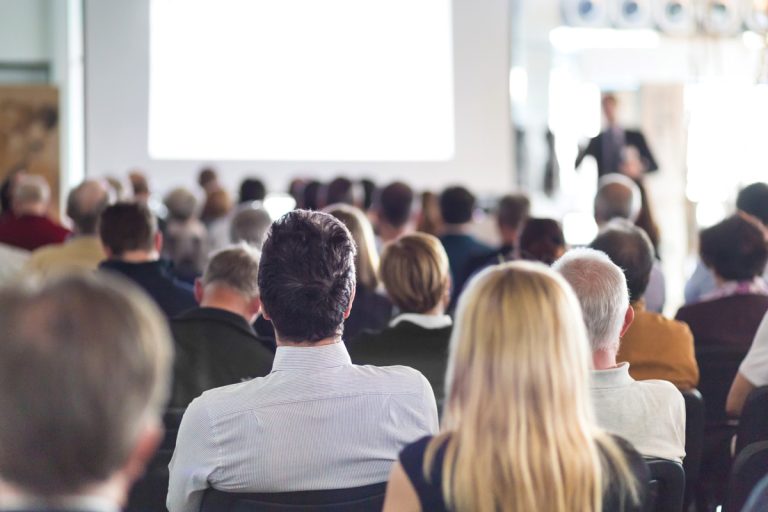
According to Disa Sr., most doctors will undoubtedly need to face the public at some point while speaking at a local or industry event or about a health crisis in their community where microphones are thrust in their face looking for their expert guidance.
“More hospitals are producing podcasts with their doctors as guests and hosts and media training helps these health professionals develop the skills to effectively communicate complex medical information clearly and understandably,” said Disa Sr. “Training will give them the confidence and techniques to handle interviews and by being articulate, doctors can enhance their credibility and build trust with patients, colleagues and the public.”
So, even if a physician does not aspire to be the next major medical media personality, they must be comfortable when speaking in public, on television, radio and podcasts, and with their patients.
Talking With Reporters
Here are five tips to follow before coming face-to-face with a reporter.
• Set boundaries for the interview. Know what information the interviewer wants before the interview.
• Determine the format for the interview—question and answer; panel discussion; additional participants
• Speak in a clear and concise manner using simple terms and easy to understand concepts using a relaxed, conversational manner. Use analogies or comparisons to explain a concept or procedure.
• If you do not understand the question, ask for clarification. Keep your answers brief and to the point.
• Use layperson’s terms. Avoid technical or medical terminology.
Finally, on television there is no such thing as perfection. If there were, television would not exist. However, there is excellence, which is just below perfection. And media training goes a long way to creating excellence.
Sheldon Baker is chief executive officer of Baker Dillon Group, a nutraceutical brand marketing firm that features a unit of-experienced former television news representatives providing media training for doctors and health and wellness executives. Based in Northern California near Yosemite National Park, he enjoys exploring worldwide destinations, especially New York, NY, Mumbai, India, and Sydney, Australia. He’s also happy to hang out at home with his wife and the many young foster children in their care. For media training information, visit mediatraining.bakerdillon.com or contact Baker via email at [email protected].