BMI

Accelerating Gains in Abdominal Fat During Menopause Tied to Heart Disease Risk
Women who experience an accelerated accumulation of abdominal fat during menopause are at greater risk of heart disease, even if their weight stays steady, according to a University of Pittsburgh Graduate School of Public Health (Pitt Public Health)-led analysis published today in the journal Menopause. The study—based on a quarter century of data collected on hundreds ...

Toddler Sleep Patterns Matter
Establishing a consistent sleep schedule for a toddler can be one of the most challenging aspects of child rearing, but it also may be one of the most important. Research findings from a team including Lauren Covington, an assistant professor in the University of Delaware (UD) School of Nursing, suggest that children with inconsistent sleep ...
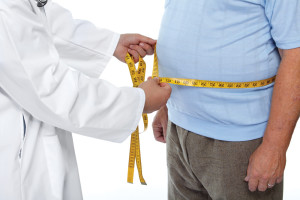
Half the U.S. Population Projected to Have Obesity By 2030, Study Says
Approximately half of the adult U.S. population will have obesity and about a quarter will have severe obesity by 2030, according to a new study led by Harvard T.H. Chan School of Public Health in Massachusetts. The study, which was published in the New England Journal of Medicine, also predicts that in 29 states, more than half of ...
Large Study Links Sustained Weight Loss to Reduced Breast Cancer Risk
A large new study finds that women who lost weight after age 50 and kept it off had a lower risk of breast cancer than women whose weight remained stable, helping answer a vexing question in cancer prevention. The reduction in risk increased with the amount of weight lost and was specific to women not ...
Evening Eating Linked to Poorer Heart Health For Women
Women who consumed a higher proportion of their daily calories later in the evening were more likely to be at greater risk for cardiovascular disease than women who did not, according to preliminary research to be presented at the American Heart Association’s Scientific Sessions 2019. Researchers assessed the cardiovascular health of 112 women (average age ...
Digital Device Overload Linked to Obesity Risk
If your attention gets diverted in different directions by smartphones and other digital devices, take note: media multitasking has now been linked to obesity. New research from Rice University (Houston, TX) indicates that mindless switching between digital devices is associated with increased susceptibility to food temptations and lack of self-control, which may result in weight ...

New Link Between Gut Bacteria and Obesity
Researchers at Lund University in Sweden have discovered a new link between gut bacteria and obesity. They found that certain amino acids in our blood can be connected to both obesity and the composition of the gut microbiome. We know less about the significance of our gut bacteria than what many books and magazines on ...
Higher BMI in Adolescence May Affect Cognitive Function in Midlife
Scientists at the Hebrew University of Jerusalem have found that higher body mass index (BMI), if it begins in adolescence, can affect cognitive function in midlife. However, the effect appears to be restricted to adults who had lower socioeconomic position as children. Overweight and obesity in adolescents have increased substantially in recent decades, and today ...
Don't Miss Out!

Industry Professionals
Stay Informed!
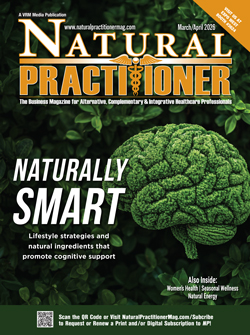
Stay informed about the latest health, nutrition, and wellness developments by signing up for a FREE subscription to Natural Practitioner magazine and digital newsletter.
Once subscribed, you will receive industry insights, product trends, and important news directly to your doorstep and inbox.