cardiovascular disease

Danone Acquires The Akkermansia Company
The Akkermansia Company (TAC, Belgium) has announced that it has been acquired by Danone, a leading global food and beverage company. TAC’s founding scientists first discovered the biotic strain Akkermansia muciniphila MucT in 2004 and have since developed it using state-of-the-art technology. They clinically demonstrated its power to reinforce the gut barrier, reduce inflammation and counteract metabolic disorders such ...
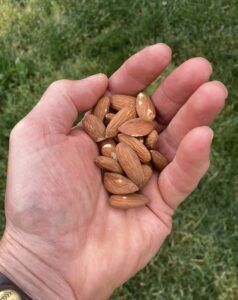
Daily Almond Snack Improves Health of People With Metabolic Syndrome
A daily dose of almonds improved key health markers for people with metabolic syndrome in a study led by scientists at Oregon State University’s (OSU) Linus Pauling Institute and the OSU College of Health. The findings, published in Nutrition Research, showed that eating 2 ounces of almonds—approximately 45 nuts—daily led to signs of better cardiometabolic and ...

Climb Stairs to Live Longer, Research Says
Climbing stairs is associated with a longer life, according to research presented at ESC Preventive Cardiology 2024, a scientific congress of the European Society of Cardiology (ESC). “If you have the choice of taking the stairs or the lift, go for the stairs as it will help your heart,” said study author Dr. Sophie Paddock ...

Two Probiotics Identified as Antihypertensive
An estimated 40 percent of the global adult population have high blood pressure, or hypertension, which puts people at risk of cardiovascular disease and other dangerous health conditions. Recent studies suggest that probiotics may offer a protective effect, but researchers have a limited understanding of why shaping the gut microbiota can regulate blood pressure. A ...

Cluster of Slightly Unhealthy Traits Linked With Earlier Heart Attack and Stroke
Middle-aged adults with three or more unhealthy traits including slightly high waist circumference, blood pressure, cholesterol and glucose have heart attacks and strokes two years earlier than their peers, according to research presented at European Society of Cardiology (ESC) Congress 2023. “Many people in their 40s and 50s have a bit of fat around the ...
Walking More May Reduce the Risk of Death
The number of steps you should walk every day to start seeing benefits to your health is lower than previously thought, according to the largest analysis to investigate this. The study, published in the European Journal of Preventive Cardiology, found that walking at least 3,967 steps a day started to reduce the risk of dying from ...

Watching the Clock May Impact Insomnia
Watching the clock while trying to fall asleep exacerbates insomnia and the use of sleep aids, according to research from an Indiana University professor—and a small change could help people sleep better. The research, led by Spencer Dawson, clinical assistant professor and associate director of clinical training in the College of Arts and Sciences’ ...
For Older Adults, Every 500 Additional Steps Taken Daily Associated With Lower Heart Risk
A new study found that walking an additional 500 steps, or about one-quarter of a mile, per day was associated with a 14 percent lower risk of heart disease, stroke or heart failure, according to preliminary research to be presented at the American Heart Association’s Epidemiology, Prevention, Lifestyle & Cardiometabolic Health Scientific Sessions 2023. The ...

Don’t Wait for Heartbreak: Preventing or Reversing Cardiovascular Disease
How can individuals best protect their hearts now? Wearing your heart on your sleeve. Hard-hearted. A heavy heart. In English, we have a lot of terms to describe the state of our emotional hearts. More importantly, though, is to consider the health of our physical hearts. Then words like palpitations, myocardium and pulmonary valve take ...

Study Finds That Increased Use of Government-implemented Warning Labels Can Help Reducing Poor-nutrition Related Diseases
The adoption of best practice front-of-pack nutrition labeling in more countries of Americas can help reduce poor-nutrition related non-communicable diseases (NCDs) such as cardiovascular disease, type-2 diabetes, high blood pressure and some cancers in the region, a recent study led by researchers at the University of Nevada, Reno and the Pan American Health Organization (PAHO) suggests. The study, published in the Lancet ...
Don't Miss Out!

Industry Professionals
Stay Informed!
Stay informed about the latest health, nutrition, and wellness developments by signing up for a FREE subscription to Natural Practitioner magazine and digital newsletter.
Once subscribed, you will receive industry insights, product trends, and important news directly to your doorstep and inbox.