coronary heart disease

Moderate Coffee and Caffeine Consumption Associated With Lower Risk of Developing Cardiometabolic Diseases, Study Finds
Consuming moderate amounts of coffee and caffeine regularly may offer a protective effect against developing multiple cardiometabolic diseases, including type 2 diabetes, coronary heart disease and stroke, according to new research published in the Endocrine Society’s Journal of Clinical Endocrinology & Metabolism. Researchers found that regular coffee or caffeine intake, especially at moderate levels, was associated ...

Fatty Fish Consumption Increases Cell Membrane Fluidity, Study Says
Eating fatty fish decreased the lipophilic index in people with impaired glucose metabolism or coronary heart disease, according to a new study from the University of Eastern Finland. The lipophilic index is considered a marker of cell membrane fluidity, and a low lipophilic index indicates better membrane fluidity. In a study published in Nutrition, Metabolism & Cardiovascular Diseases, a low ...

CRN Responds to Cholesterol Study That Compares Supplements to Prescription Drug
The Council for Responsible Nutrition (CRN) has responded to results of the “Supplements, Placebo, or Rosuvastatin (SPORT)” Study. It was presented at the American Heart Association Scientific Sessions Nov. 6. SPORT, and funded by AstraZeneca, the company that markets Rosuvastatin. The study compared the effect on low-density lipoprotein-cholesterol (LDL-C) from the funder’s low-dose statin with ...

Getting Heart Health Under Control
Cardiovascular health concerns remain the leading cause of death. Cardiovascular issues remain the No. 1 health threat plaguing Americans. Coronary heart disease has been the leading cause of death since 1930. There is a long line of causes contributing to the issue: from genetics including family history and race, to personal choices such as smoking. ...

Authoritative New Analysis Links Increased Omega-3 Intake to Improved Cardiovascular Outcomes
A new study published in Mayo Clinic Proceedings provides the most comprehensive analysis of the role of omega-3 dosage on cardiovascular prevention to date. The meta-analysis, which is an in-depth review of 40 clinical trials, provides authoritative evidence for consuming more EPA (eicosapentaenoic acid) and DHA (docosahexaenoic acid) omega-3 fats. The research concludes that EPA and ...
Breastfeeding Reduces Hypertension Risk, Study Says
A study published in the American Journal of Hypertension indicates that women who breastfeed more children, and for longer periods of time, are less likely to suffer from hypertension after they reach menopause. This is less true of obese women, however. Elevated blood pressure is the greatest single risk factor for disease and mortality. Evidence from epidemiologic ...
Don't Miss Out!

Industry Professionals
Stay Informed!
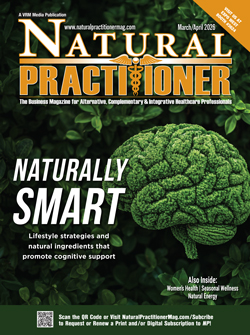
Stay informed about the latest health, nutrition, and wellness developments by signing up for a FREE subscription to Natural Practitioner magazine and digital newsletter.
Once subscribed, you will receive industry insights, product trends, and important news directly to your doorstep and inbox.