dementia

Altered Gut Bacteria May Be Early Sign of Alzheimer’s Disease
People in the earliest stage of Alzheimer’s disease—after brain changes have begun but before cognitive symptoms become apparent—harbor an assortment of bacteria in their intestines that differs from the gut bacteria of healthy people, according to a study by researchers at Washington University School of Medicine in St. Louis, MO. The findings, published in Science Translational ...

Deep Sleep May Mitigate Alzheimer’s Memory Loss
A deep slumber might help buffer against memory loss for older adults facing a heightened burden of Alzheimer’s disease, new research from the University of California (UC), Berkeley, suggests. Deep sleep, also known as non-REM slow-wave sleep, can act as a “cognitive reserve factor” that may increase resilience against a protein in the brain called ...
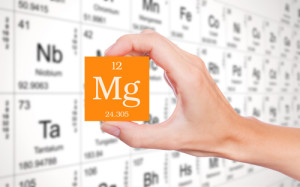
A Higher Dose of Magnesium Each Day Keeps Dementia at Bay, Study Says
More magnesium in our daily diet leads to better brain health as we age, according to scientists from the Neuroimaging and Brain Lab at The Australian National University (ANU). The researchers say increased intake of magnesium-rich foods such as spinach and nuts could also help reduce the risk of dementia, which is the second leading ...
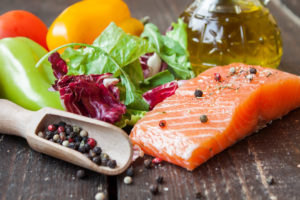
Mediterranean Diet Associated With Decreased Risk of Dementia, Study Finds
Eating a traditional Mediterranean-type diet—rich in foods such as seafood, fruit, and nuts—may help reduce the risk of dementia by almost a quarter, a new study has revealed. Experts at Newcastle University (U.K.) found that individuals who ate a Mediterranean-like diet had up to 23 percent lower risk for dementia than those who did not. ...

More Steps, Moderate Physical Activity Cuts Dementia, Cognitive Impairment Risk
Senior women were less likely to develop mild cognitive impairment or dementia if they did more daily walking and moderate-to-vigorous physical activity, according to a new study led by the Herbert Wertheim School of Public Health and Human Longevity Science at University of California (UC) San Diego. In the Jan. 25, 2023 online edition of Alzheimer’s ...

How Cranberries Could Improve Memory and Ward Off Dementia
Adding cranberries to your diet could help improve memory and brain function, and lower “bad” cholesterol—according to new research from the University of East Anglia (UEA, U.K.). A new study highlights the neuroprotective potential of cranberries. The research team studied the benefits of consuming the equivalent of a cup of cranberries a day among 50 to ...
High-fiber Diet May Reduce Risk Of Dementia
We’re always hearing that we should eat more fiber. It’s known to be vitally important for a healthy digestive system and also has cardiovascular benefits like reduced cholesterol. Now, evidence is emerging that fiber is also important for a healthy brain. In a new study published in the journal Nutritional Neuroscience, researchers in Japan have shown ...

Diet Rich in Plant-based Products Reduces Risk of Cognitive Impairment in the Elderly
A diet rich in plant products reduces the risk of cognitive impairment and dementia in the elderly. This is the result of a study by the Biomarkers and Nutritional Food Metabolomics Research Group of the Faculty of Pharmacy and Food Sciences of the University of Barcelona (UB, Spain) and the CIBER on Frailty and Healthy ...
New Research to Examine How Changes in the Eye May Provide Insight on Cognitive Impairment in People With Type 2 Diabetes
Researchers from Queen’s University Belfast (Ireland) have been awarded a European Union (Horizon 2020) grant to co-lead the RECOGNISED project, together with Professor Rafael Simo, from Vall d’Hebron University Hospital in Spain. The research will determine how the retina can be used as a tool to identify and predict cognitive impairment and dementia in people with type ...
Blood Pressure Lowering Reduces Risk of Developing Dementia
Research completed in NUI Galway (Ireland) has shown that lowering blood pressure by taking blood pressure medications reduces the risk of developing dementia and cognitive impairment by 7 percent. The findings were published in the Journal of the American Medical Association (JAMA). Fourteen randomized controlled trials (96,158 participants) were included in this systematic review and meta-analysis. ...
Don't Miss Out!

Industry Professionals
Stay Informed!
Stay informed about the latest health, nutrition, and wellness developments by signing up for a FREE subscription to Natural Practitioner magazine and digital newsletter.
Once subscribed, you will receive industry insights, product trends, and important news directly to your doorstep and inbox.