flavonoids
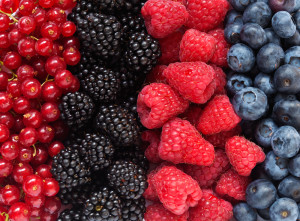
Black Tea and Berries Could Contribute to Healthier Aging
Higher intakes of black tea, berries, citrus fruits and apples could help to promote healthy aging, new research has found. This study conducted by researchers from Edith Cowan University (ECU, Australia), Queen’s University Belfast (Ireland), and Harvard T.H. Chan School of Public Health (Massachusetts), found that foods rich in flavonoids could help to lower the ...

Compound Derived From Hops Reduces Abundance of Gut Microbe Associated With Metabolic Syndrome
Researchers have shown in a mouse model and lab cultures that a compound derived from hops reduces the abundance of a gut bacterium associated with metabolic syndrome. The findings, published in the journal Microbiome, are important because an estimated 35 percent of the U.S. adult population suffers from metabolic syndrome. Patients are considered to have metabolic ...

Black Tea May Help Your Health Later in Life
A daily cup of tea could help you to enjoy better health late in life—however if you’re not a tea drinker, there are other things you can add to your diet. The key is flavonoids, which are naturally occurring substances found in many common foods and beverages such as black and green tea, apples, nuts, ...

Eating Prunes May Help Protect Against Bone Loss in Older Women
It’s already well known that prunes are good for your gut, but new Penn State research suggests they may be good for bone health, too. In a research review, the researchers found that prunes can help prevent or delay bone loss in postmenopausal women, possibly due to their ability to reduce inflammation and oxidative stress, ...
Flavonoids May Reduce Mortality Risk For People With Parkinson’s Disease
People with Parkinson’s disease (PD) who eat more flavonoids—compounds found in richly colored foods like berries, cocoa and red wine—may have a lower mortality risk than those who don’t, according to a new study. Specifically, the researchers found that when people who had already been diagnosed with PD ate more flavonoids, they had a lower ...

Eating More Fruit and Vegetables Linked to Less Stress, Study Finds
Eating a diet rich in fruit and vegetables is associated with less stress, according to new research from Edith Cowan University (ECU, Australia) that was published in Clinical Nutrition. The study examined the link between fruit and vegetable intake and stress levels of more than 8,600 Australians aged between 25 and 91 participating in the ...
An Orange a Day Keeps Macular Degeneration Away
A new study has shown that people who regularly eat oranges are less likely to develop macular degeneration than people who do not eat oranges. Researchers at the Westmead Institute for Medical Research interviewed more than 2,000 Australian adults aged over 50 and followed them over a 15-year period. The research showed that people who ...
Consumption of Antioxidant-rich Foods Associated With Lower Risk of Type 2 Diabetes
A lower risk of type 2 diabetes has been observed among individuals consuming food rich in antioxidants. This effect is largely contributed by fruit, vegetables, tea and other hot beverages, as well as moderate consumption of alcohol, as shown in a recent study from an Inserm research group, published in Diabetologia, the journal of the European ...
Don't Miss Out!

Industry Professionals
Stay Informed!
Stay informed about the latest health, nutrition, and wellness developments by signing up for a FREE subscription to Natural Practitioner magazine and digital newsletter.
Once subscribed, you will receive industry insights, product trends, and important news directly to your doorstep and inbox.