gastrointestinal tract

Intermittent Fasting Shows Promise in Improving Gut Health, Weight Management
A new study by researchers from Arizona State University (ASU) and their colleagues highlights a dietary strategy for significant health improvement and weight management. Participants following an intermittent fasting and protein-pacing regimen, which involves evenly spaced protein intake throughout the day, saw better gut health, weight loss and metabolic responses. These benefits were notably greater ...
Walnuts May Be Good For the Gut and Help Promote Heart Health
Walnuts may not just be a tasty snack, they may also promote good-for-your-gut bacteria. New research suggests that these “good” bacteria could be contributing to the heart-health benefits of walnuts. In a randomized, controlled trial, researchers found that eating walnuts daily as part of a healthy diet was associated with increases in certain bacteria that ...
First Gut Bacteria May Have Lasting Effect on Ability to Fight Chronic Diseases
New research showing that the first bacteria introduced into the gut have a lasting impact may one day allow science to adjust microbiomes—the one-of-a-kind microbial communities that live in our gastrointestinal (GI) tracts—to help ward off serious chronic diseases. Findings by the University of Alberta (U of A) microbial ecologist Jens Walter and his colleagues ...

Xylooligosaccharides: The Low-dose Prebiotic
By Prof. Gene Bruno, MS, MHS, RH(AHG) Huntington University of Health Sciences Dietary prebiotics are typically non-digestible fiber compounds that pass undigested through the upper part of the gastrointestinal (GI) tract and stimulate the growth or activity of friendly, probiotic bacteria that colonize the large bowel by acting as substrate for them.1 In the world of dietary supplements, there are several prebiotics from which to choose—perhaps ...

Vitamin D Supplements Could Ease Painful IBS Symptoms
Vitamin D supplements could help to ease painful irritable bowel syndrome (IBS) symptoms, a new study from the University of Sheffield has found. Scientists from the University’s Department of Oncology and Metabolism reviewed and integrated all available research on vitamin D and IBS—a condition that affects two in 10 people in the U.K. The study ...
Don't Miss Out!

Industry Professionals
Stay Informed!
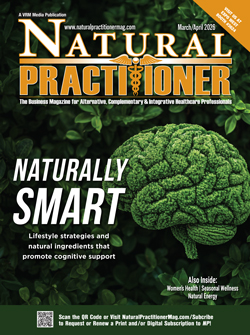
Stay informed about the latest health, nutrition, and wellness developments by signing up for a FREE subscription to Natural Practitioner magazine and digital newsletter.
Once subscribed, you will receive industry insights, product trends, and important news directly to your doorstep and inbox.