NHANES

Popular Fruits and Vegetables Linked to Higher Pesticide Levels
Certain fruits and vegetables may raise the amount of pesticide chemicals found in the human body, according to a new peer reviewed study conducted by scientists at the Environmental Working Group (EWG). Pesticides have been associated with cancer, reproductive problems, hormone interference and nervous system harm in children. Because traces of these chemicals are frequently ...
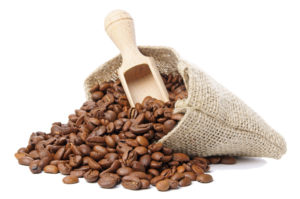
Study Links Coffee Consumption to Lower Risk of All-cause Mortality
While you’re probably not pouring your morning cup for the long-term health benefits, coffee consumption has been linked to lower risk of mortality. In a new observational study, researchers from the Gerald J. and Dorothy R. Friedman School of Nutrition Science and Policy at Tufts University found the association between coffee consumption and mortality risk ...

CRN Responds to Study Claiming Six Botanicals Cause Liver Damage
The Council for Responsible Nutrition (CRN) responded to a study published in The Journal of the American Medical Association (JAMA) claiming six popular herbal supplement ingredients (turmeric, green tea extract, Garcinia cambogia, black cohosh, red yeast rice and ashwagandha) are potentially “hepatotoxic.” Contrary to misleading headlines from the study, there is no evidence that these findings expose any ...
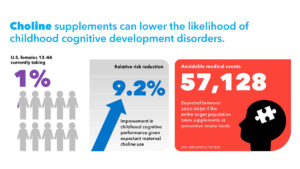
CRN Shares Insights for National Birth Defects Awareness Month
The Council for Responsible Nutrition (CRN) is sharing scientific and economic data demonstrating the value of choline supplementation for early childhood development among the proactive measures women can take to support the development of a healthy baby. January is National Birth Defects Awareness Month as recognized by the U.S. Centers for Disease Control and Prevention (CDC). The ...
New Study Debunks Notion That Salt Consumption Contributes to Weight Loss
A new study led by Stephen Juraschek, MD, PhD, assistant professor of medicine at Beth Israel Deaconess Medical Center (BIDMC), sheds new light on these conflicting findings. The researchers found that reducing sodium intake in adults with elevated blood pressure or hypertension decreased thirst, urine volume (a marker of fluid intake), and blood pressure, but ...
Don't Miss Out!

Industry Professionals
Stay Informed!
Stay informed about the latest health, nutrition, and wellness developments by signing up for a FREE subscription to Natural Practitioner magazine and digital newsletter.
Once subscribed, you will receive industry insights, product trends, and important news directly to your doorstep and inbox.