Physical Activity
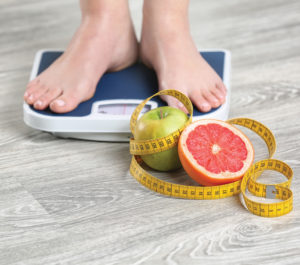
Study Finds Dieters May Overestimate the Healthiness of Their Eating Habits
In a small study, most adults seeking to lose weight overestimated the healthiness of their diet, according to preliminary research to be presented at the American Heart Association’s Scientific Sessions 2022. The meeting, held in person in Chicago, IL and virtually, Nov. 5-7, 2022, is a premier global exchange of the latest scientific advancements, research ...

Only 1 in 5 People in the U.S. Has Optimal Heart Health
Approximately 80 percent of people in the U.S. have low to moderate cardiovascular health based on the American Heart Association’s new Life’s Essential 8 checklist according to a new study published in the journal Circulation. Life’s Essential 8, also published in Circulation, details the association’s updated guidance to measure cardiovascular health, adding healthy sleep as essential for ...

Physical Activity May Protect Your Brain As You Age
We all know we should exercise and eat healthy. But doing that isn’t just good for maintaining your figure as you age. New research from the University of Georgia shows that physical activity could help protect your cognitive abilities as you age. And it doesn’t have to be intense exercise to make an impact. “This finding ...

Exercise Alters Brain Chemistry to Protect Aging Synapses
When elderly people stay active, their brains have more of a class of proteins that enhances the connections between neurons to maintain healthy cognition, a University of California, San Francisco study has found. This protective impact was found even in people whose brains at autopsy were riddled with toxic proteins associated with Alzheimer’s and other neurodegenerative ...
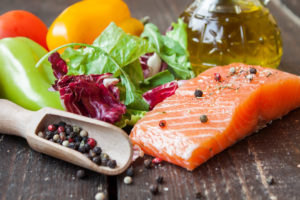
Mediterranean-style Diet Linked to Better Thinking Skills in Later Life
People who eat a Mediterranean-style diet—particularly one rich in green leafy vegetables and low in meat—are more likely to stay mentally sharp in later life, a study shows. Closely adhering to a Mediterranean diet was associated with higher scores on a range of memory and thinking tests among adults in their late 70s, the research ...

Tami Ross, RDN, LD, CDCES, MLDE, FADCES
Tami Ross, RDN, LD, CDCES, MLDE, FADCES is a nationally recognized registered dietitian nutritionist, diabetes care and education specialist, spokesperson and consultant with more than 25 years of experience in diabetes care and education. Tami has been named Diabetes Educator of the Year by the Academy of Nutrition and Dietetics’ Diabetes Care and Education group, ...
Twin Study Shows What’s Good For the Heart is Good For the Brain
Emory University researchers are giving us double the reasons to pay attention to our cardiovascular health—showing in a recently published study in the Journal of Alzheimer’s Disease that good heart health can equal good brain health. The American Heart Association defines ideal cardiovascular health (CVH) across seven modifiable risk factors (blood sugar, serum cholesterol, blood pressure, body ...
Physical Activity Cuts Health Risk From Sitting
A new study of around 8,000 middle-aged and older adults found that swapping a half-hour of sitting around with physical activity of any intensity or duration cut the risk of early death by as much as 35 percent. The findings highlight the importance of movement—regardless of its intensity or amount of time spent moving—for better ...
Different Types of Physical Activity Offer Varying Protection Against Heart Disease
While it is well known that physical activity is important for heart health, neither research nor recommendations consistently differentiate between the benefits of different types of physical activity. New research, presented at the ACC Latin America Conference 2018 in Lima, Peru, found that while all physical activity is beneficial, static activities—such as strength training—were more ...
Limiting Children’s Recreational Screen Time to Less Than Two Hours a Day Linked to Better Cognition
Limiting recreational screen time to less than two hours a day, and having sufficient sleep and physical activity is associated with improved cognition, compared with not meeting any recommendations, according to an observational study of more than 4,500 U.S. children aged 8-11 years old published in The Lancet Child & Adolescent Health journal. Taken individually, limited screen ...
Don't Miss Out!

Industry Professionals
Stay Informed!
Stay informed about the latest health, nutrition, and wellness developments by signing up for a FREE subscription to Natural Practitioner magazine and digital newsletter.
Once subscribed, you will receive industry insights, product trends, and important news directly to your doorstep and inbox.