Physical Activity
Exercising Can Protect the Brain From Alzheimer’s Disease
The evidence is clear. Physical activity is associated with a reduced risk of Alzheimer’s disease, says a panel of researchers and not-for-profit leaders, led by University of British Columbia’s (UBC) Okanagan campus. The researchers also confirmed that regular physical activity may improve the performance of daily activities for people afflicted with Alzheimer’s. “As there is ...

Sarcopenia and Tea Catechins
By Prof. Gene Bruno, MS, MHS, RH(AHG) Huntington College of Health Sciences Sarcopenia, or the decline of skeletal muscle tissue and loss of muscle function or strength with age, is one of the most important causes of functional decline and loss of independence in older adults. Its cause is widely regarded as multifactorial, with neurological ...

Physical Activity Helps to Counteract Weight Gain From Obesity-causing Gene Variant
Physical activity can reduce the weight-gaining effects of the genetic variant that carries the greatest risk of obesity, reported Mariaelisa Graff of the University of North Carolina at Chapel Hill, Tuomas Kilpeläinen of University of Copenhagen and colleagues in PLOS Genetics. With people consuming more calories and being less physically active, the world has witnessed an ...
Impact of Parent Physical Activity, Sedentary Behavior on Their Preschool Children
Young children do follow in their parents’ footsteps. Literally. That’s the conclusion of National Institutes of Health (NIH)-funded researchers who found that in underserved populations, parents’ physical activity—and their sedentary behavior—directly correlates with the activity level of their preschoolers. Researchers say these findings, published January 9 in the American Journal of Preventive Medicine, could lead ...
Exercise May Help Ward Off Memory Decline
Exercise may be associated with a small benefit for elderly people who already have memory and thinking problems, according to new research published in the online issue of Neurology. The research involved people with vascular cognitive impairment, which is the second most common cause of dementia after Alzheimer’s disease. In vascular cognitive impairment, problems with ...
Low Vitamin D Levels May Raise Alzheimer’s Risk
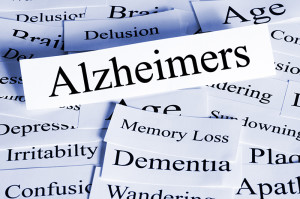
Older adults with too little vitamin D in their blood may have twice the risk of developing Alzheimer’s disease as seniors with sufficient levels, reported WebMD. The research, which was based on more than 1,600 adults over age 65, found the risk for Alzheimer’s and other forms of dementia increased with the severity of vitamin ...
Don't Miss Out!

Industry Professionals
Stay Informed!
Stay informed about the latest health, nutrition, and wellness developments by signing up for a FREE subscription to Natural Practitioner magazine and digital newsletter.
Once subscribed, you will receive industry insights, product trends, and important news directly to your doorstep and inbox.