pregnancy

Study Reveals Important Associations Between Gut Microbiome and Eczema in Infancy
A new study has revealed important associations between the gut microbiome and eczema in infancy and has established the basis for the potential prevention and treatment of eczema via modulation of the gut microbiota. The study was published in mSystems, a journal of the American Society for Microbiology. “The problem of eczema is increasing, and our ...
Diet and Exercise For Obese Mothers Protects Cardiovascular Risk in Infants
A lifestyle intervention of diet and exercise in pregnancy protects against cardiovascular risk in infants, a new study has found. The study, published recently in the International Journal of Obesity by researchers from King’s College London (U.K.) and funded by the British Heart Foundation, found that 3-year-old children were more likely to exhibit risk factors for future ...

Study Calls For Change In Guidance About Eating Fish During Pregnancy
A woman’s mercury level during pregnancy is unlikely to have an adverse effect on the development of the child provided that the mother eats fish, according to a new study. The findings, which drew together analyses on more than 4,131 pregnant mothers from the Children of the 90s study in the U.K., with similar detailed ...
Abnormal Thyroid Hormone Levels During Pregnancy May Increase the Risk of Preschool Boys’ Behavioral Problems
Thyroid hormone levels during pregnancy may predict preschool boys’ emotional and behavioral problems, according to a study published in the Endocrine Society’s Journal of Clinical Endocrinology & Metabolism. Thyroid hormones are crucial for normal development of a baby’s brain and nervous system. During the first trimester—the first three months of pregnancy—a baby depends on its mother’s ...
Exercise During Pregnancy May Save Kids From Health Problems As Adults
Exercise during pregnancy may let mothers significantly reduce their children’s chances of developing diabetes and other metabolic diseases later in life, new research suggests. A study in lab mice has found that maternal exercise during pregnancy prevented the transmission of metabolic diseases from an obese parent—either mother or father—to child. If the finding holds true ...

Vitamin D Levels During Pregnancy Linked With Child IQ
Vitamin D is a critical nutrient and has many important functions in the body. A mother’s vitamin D supply is passed to her baby in utero and helps regulate processes including brain development. A study published in The Journal of Nutrition showed that mothers’ vitamin D levels during pregnancy were associated with their children’s IQ, suggesting that ...
High Lead Levels During Pregnancy Linked to Child Obesity
Children born to women who have high blood levels of lead are more likely be overweight or obese, compared to those whose mothers have low levels of lead in their blood, according to a study funded by the National Institutes of Health (NIH) and Health Resources and Services Administration. The study was conducted by Xiaobin ...
Too Much Caffeine During Pregnancy May Damage Baby’s Liver
Having too much caffeine during pregnancy may impair baby’s liver development and increase the risk of liver disease in adulthood, according to a study published in the Journal of Endocrinology. Pregnant rats given caffeine had offspring with lower birth weights, altered growth and stress hormone levels and impaired liver development. The study findings indicate that consumption ...
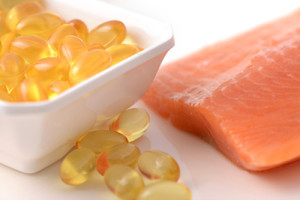
Fish-rich Diets in Pregnancy May Boost Babies’ Brain Development
Women could enhance the development of their unborn child’s eyesight and brain function by regularly eating fatty fish during pregnancy. This is the suggestion from a small-scale study led by Kirsi Laitinen of the University of Turku and Turku University Hospital in Finland, in the journal Pediatric Research. The research supports previous findings that show how ...
Daily Folic Acid Supplementation Remains Important for Prevention of Birth Defects
Despite the mandatory addition of folic acid to enriched grain products in the United States, many women still do not consume adequate amounts of this important vitamin, according to an editorial written by Laura E. Mitchell, PhD, professor in the Department of Epidemiology, Human Genetics and Environmental Sciences at The University of Texas Health Science ...
Don't Miss Out!

Industry Professionals
Stay Informed!
Stay informed about the latest health, nutrition, and wellness developments by signing up for a FREE subscription to Natural Practitioner magazine and digital newsletter.
Once subscribed, you will receive industry insights, product trends, and important news directly to your doorstep and inbox.