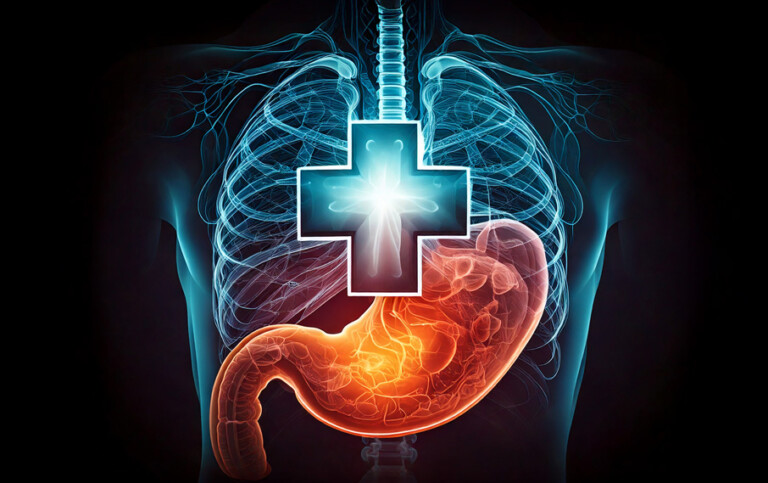
Helping your patients to support GI function can help improve their daily quality of life and boost health.
A disturbed gut can close the doors on fun, relaxation or work progress. Anything from constipation and bloat to acid reflux will kill the current mood. When a GI (gastrointestinal) off-kilter moment happens, it’s nothing to consult you about—but when it begins to noticeably occur a little more often, you can help figure it out and make the adjustments necessary.
But assuredly, more patients have come for consultations about the gut gone awry in the past few years.
The 2023 Gut Health Survey by MDVIP conducted by Ipsos, found the following:
• 75 percent of women experience GI symptoms at least a few times a month compared to 57 percent of men
• Younger Americans experience more digestive issues, with 73 percent of adults ages 18-44 having symptoms at least a few times a month (vs. 44 percent adults 65-plus). One-third of young adults say gut issues affect their self-esteem (34 percent), and two in five have avoided sex/intimacy due to them (40 percent)
• 71 percent of Americans don’t know antibiotics can kill good gut bacteria in addition to the bad
• 60 percent of Americans don’t know that food sensitives are not the same as food allergies
• Almost half of Americans have used over-the-counter digestive products such as fiber supplements and laxatives, two in five have taken probiotic supplements and one in five have done a colon cleanse or enema.
Jessica Stefanski, NMD, LAc, clinical education manager at Standard Process, Wisconsin, noted that rising rates of digestive health disorders are driving demand for GI-targeted solutions. She points to the excessive intake of highly processed foods that are low in fiber and micronutrients, and high in sugar and synthetic ingredients that take a toll in normal digestion. This is exacerbated by high-stress, sedentary that also negatively impact gut function in many patients.
In agreement is Marge Roberts, BSN, MSHP, DAHom, CEO and president of Newton Homeopathics, Georgia, who illustrated, “We need to look no further than our dinner tables and medicine cabinets to identify the source of the rising call for digestive support.”
She added that the link between digestive health and a poor diet heavy with processed foods should be commonly understood, and patients are slowly obtaining awareness. This is fostered through the publicity over the Making America Healthy Again campaign, and internet research, as well as people taking a more proactive approach to their health.
“More people are self-diagnosing or becoming aware of chronic digestive issues such as IBS (irritable bowel syndrome), GERD (gastroesophageal reflux disease), and bloating, and many are turning to integrative and naturopathic care when conventional approaches fall short,” commented Brian Keenan, ND, DOM, LAc, education manager, Washington-based Ayush Herbs Inc.
Further, he pointed out, would-be patients know to link digestion with other areas of health and well-being, such as immunity, metabolism, mood and metabolism. This has led to a dramatic increase in demand for gut-focused interventions that go beyond temporary symptom relief to include non-digestive related concerns such as mood or sleep concerns.
According to Emilie Puppinck, senior product manager, biotics, for Gnosis by Lesaffre, Wisconsin, patients today are better informed about how the microbiome affects their gut and overall health. “Consumers are also better informed and are incorporating biotics into their daily routines to support immunity and general well-being.”
And, she stated, stress is a significant foe of digestion. “The rise in stress levels has led to an increase in digestive disorders such as IBS. Some of the intense physical symptoms they wrestle with are abdominal discomfort, loss of body control, flatulence, bloating, constipation and diarrhea. These lead to a considerable impact on their lifestyles, including bad self-image, emotional distress, anxiety and depression.”
In her Florida-based practice, Serena Goldstein, ND, has seen “quite a bit” of IBS, SIBO (small intestinal bacterial overgrowth), acid reflux, constipation and general gas/bloating. These conditions are affected by the interaction of the body, mind and spirit, stress, poor sleep, hormone issues, as well as certain choices of food, and/or drink (i.e. unhealthful food choices, alcohol). “Further, IBS is commonly associated with anxiety/mood disorders, so addressing any underlying internal conflict (or milieu) can help the digestive system more easily function,” she stated.
For her patients exhibiting IBS symptoms, Dr. Goldstein recommends they start the healing program by eliminating certain potential offending foods, such as soda, refined sugar and processed foods. Concurrently, she teaches them to follow food hygiene, which includes cooking, as the scents activate saliva, which has digestive enzymes, sitting down to eat and eat slowly.
“In IBS, removing and/or reducing caffeine can be helpful, as there may be an anxious/nervous component. For constipation, regular physical movement and drinking at least half their body weight in ounces of water may be a possibility,” she continued. “For loose stools, adding extra fiber and vegetables can be beneficial.”
A 2024 study agreed finding that with dietary adjustments, more than seven of 10 patients had significantly reduced IBS symptoms. The study, published in The Lancet Gastroenterology & Hepatology, compared three groups: two dietary and one with only medication for four weeks.
The first group was given traditional IBS dietary advice, focusing on eating behavior combined with low intake of fermentable carbohydrates (FODMAPs). These include products with lactose, legumes, onions and grains, which ferment in the colon and can cause pain in IBS. The second group consumed a diet low in carbohydrates and proportionally high in protein and fat. Those in the third group took IBS medication and followed no specific diet advice.
Of those who received traditional IBS dietary advice and low content of FODMAPs, 76 percent had significantly reduced symptoms. In the group receiving low carbohydrates and high protein and fat, the proportion was 71 percent, and in the medication-only group 58 percent. Lead author Sanna Nybacka commented, “With this study, we can show that diet plays a central role in the treatment of IBS, but that there are several alternative treatments that are effective.”
Meanwhile, your patients are also becoming both savvier about the microbiome and open to targeted microbiome support solutions for improved digestion. Dr. Stefanski commented, “Research on the gut microbiome and the recognition that gut flora impacts the health of nearly every system in the body—including the brain and immune system—has fueled demand for microbiome targeted interventions. Advancements in probiotics, prebiotics and postbiotics are shaping supplement formulations and leading to breakthrough solutions for patients with gut and microbiome challenges.”
Dr. Keenan also sees “a surge of interest” in how the state of the microbiome affects gut health seen more and more as a cornerstone of systemic wellness. The rate of research into the growing biotic category, including a newer focus on the genus Akkermansia, and down to precise strains, as well as probiotics, is allowing for the optimization of individualized microbial balance.
Gut Feeling Solutions
There are numerous supplements that help promote healthy digestion, providing the ability to customize a digestive balance and wellness regimen.
GI Stability from Standard Process supports the GI tract by delivering targeted prebiotic action, supporting a healthy gut microbiome and immune function, as well as by feeding the growth of beneficial bacteria, Dr. Stefanski described. It relies on prebiotic 2’FL—a unique prebiotic HMO (human milk oligosaccharide) that resists digestion and moves directly to the lower GI tract where it feeds beneficial bacteria. Studies show that HMO’s unique structure is preferred by beneficial microbes to proliferate. “GI Stability is designed for everyday and acute GI needs,” she stated.
California-based HealthAid America’s UltraProbio features a blend of 14 documented probiotic strains, along with a prebiotic to nourish beneficial bacteria and enhance their effectiveness, according to Slawomir Gromadzki, nutritionist. With 100 billion CFUs per capsule, he highlighted, UltraProbio provides high-potency probiotics that are acid- and bile-resistant, ensuring they reach the intestines intact. “This advanced formulation supports gut microbiota balance, enhances nutrient absorption, and promotes healthy bowel function for optimal digestive wellness,” he commented.
Florida-based Designs for Health Inc. provides approximately 30 digestive support products that cover all phases of the digestive spotlight, according to David Brady, ND, chief medical officer. Some of the top products in the DFH digestive support line are Digestzymes, GI Revive, ProbioMed 50, Gi Microb-X and GastroMend-HP.
A longstanding ayurvedic formula, triphala, has been used for supporting digestion, according to Dr. Keenan. Ayush’s Trifal is described as a classic ayurvedic formulation composed of three fruits: amalaki (Emblica officinalis), haritaki (Terminalia chebula), and bibhitaki (Terminalia bellirica). “Unlike conventional digestive supports that target a single symptom or segment of the GI tract, triphala works holistically to support the entire digestive system: from supporting healthy stomach acid levels to normal elimination to gut flora balance,” he explained. “It gently stimulates peristalsis to promote regular, complete bowel movements, while simultaneously toning the intestinal lining and encouraging microbial diversity. Triphala’s potent antioxidant effects make it particularly useful for individuals with mucosal irritation, leaky gut or digestive fatigue.”
He added that triphala balances both sluggish and irritated digestion. It is neither overly laxative nor overly drying, making it suitable for long-term daily use in a wide range of digestive patterns without being habit-forming. Its polyphenol content acts as a prebiotic. Through its mechanisms of action, Dr. Keenan pointed out that Trifal helps reduce gas, bloating, reflux and postprandial discomfort.
Some studies have demonstrated that triphala’s high levels of antioxidants may modulate the gut microbiome, increasing beneficial species like bifidobacterium and lactobacillus while reducing potentially harmful strains.
IbSium is a reference probiotic yeast developed by Gnosis by Lesaffre, patented and registered under S. cerevisiae CNCM I-3856, according to Puppinck. Several double-blind, placebo-controlled clinical studies and a meta-analysis have demonstrated that ibSium can relieve occasional abdominal pain and improve the quality of life of people suffering from digestive discomfort. One study showed 63 percent of volunteers experienced a significant reduction in abdominal pain; another showed participants experienced a 14.6 percent reduction in bloating severity with ibSium compared to placebo. A 2020 study showed a normalization of stool consistency observed within four weeks. “Further, ibSium has shown consumer-approved, fast-acting support. A study of more than 1,160 volunteers reported more than 96 percent satisfaction with gut comfort improvement with ibSium. Three out of four participants experienced positive effects on their digestive comfort within the first 15 days of consumption,” she related.
Like ayurveda, homeopathy provides potent digestive-support solutions. According to Roberts, Newton Homeopathics PRO Digestive Care complex contains 24 single remedies chosen for their recognized actions on various aspects of the GI system. She explained that echinacea is indicated for a tender and distended abdomen and heartburn; Cinchona officinalis is indicated for burping, constipation and diarrhea; chamomilla and juglans are indicated for flatulence; Argentum nitricum and Lycopodium are indicated for gas and distention; iris and Bismuthum metallicum are indicated for diarrhea; and Arsenicum album, is indicated also for vomiting.
Try Profiling
There are now tests you can have your patients take to discern their gut health and microbiome status, which can more precisely guide therapies.
Ohio-based Biohm’s Technologies’ new Longevity Gut Report is the most precise tool available to scan the microbiome’s content of fungi, bacteria and most notably, existence and amount of gut biofilms. The technology was created through AI and bioinformatics and was initially developed to identify bacterial and fungal taxa known to influence longevity through leveraging Biohm Technologies’ proprietary dataset.
The Longevity Gut Report is aptly named as the information it provides can give patients a roadmap of how to promote good health as they age through revealing a portrait of their distinctive microbiome and thus providing them with the opportunity to curate the most effective supplement regimen.
Once the sampling is analyzed, consumers will receive their overall gut score, which is rated from one to 10 (lowest quality to highest). The consumer’s levels of all six major bacterial communities and four major fungal communities are compared to those considered normal and healthy. The report also provides a strain-by-strain analysis of the individual’s gut bacterial and fungal communities. This comes with a personalized health-promoting regimen including diet, lifestyle and supplement recommendations.
Designs for Health also provides gut-status testing. “Our close collaboration with high-tech labs like Diagnostic Solutions Lab allows for pre- and post-testing on subjects using our formulas, allowing clinicians to monitor and tailor their treatments,” Dr. Brady said.
Overall, observed Dr. Keenan, individuals recovering from long-term antibiotic or proton-pump inhibitor (PPI) use, or dealing with long-COVID-related dysbiosis, are also seeking your assistance to provide more sophisticated, whole-system solutions. He reported that supplement innovation has advanced to include smart-release delivery systems, spore-based strains and multi-functional formulations, and we’ve even seen the rise of prebiotic beverages and other functional foods.
“All this has created a robust practitioner opportunity for recommending digestive health products that support both upper and lower GI function, mucosal integrity and microbiome balance, reflecting a more comprehensive and proactive approach to gut health,” Dr. Keenan concluded.
Healthy Take Aways
• Approximately 75 percent of women experience gastrointestinal symptoms at least a few times a month compared to 57 percent of men.
• One-third of young adults say gut issues affect their self-esteem (34 percent), and two in five have avoided sex/intimacy due to them (40 percent).
• IBS is commonly associated with anxiety/mood disorders, so addressing any underlying internal conflict (or milieu) can help the digestive system more easily function.
For More Information:
Ayush Herbs Inc., www.ayush.com
Biohm Technologies, www.biohmtech.com
Designs for Health, Inc., www.designsforhealth.com
Gnosis by Lesaffre, www.gnosisbylesaffre.com
HealthAid America, www.healthaidamerica.com
Newton Homeopathics, www.newtonlabs.net
Standard Process, www.standardprocess.com