A common question for those unfamiliar with the Institute for Natural Medicine (INM) is: What exactly do we do? Our mission—to bring whole-person health mainstream—is straightforward to state, but the strategies and projects that advance it are varied. One that we are making great strides with is our clinical outcomes research initiative.
As an educational nonprofit, we recognize that evidence is the cornerstone of any credible health care message. Without access to well-funded randomized trials, the naturopathic and whole-person health field faces a persistent evidence gap—though as many researchers note, absence of evidence is not evidence of absence. Even so, rigorous study of the clinical and economic value of whole-person health approaches remains a pressing need.
Since establishing our INM Residency Consortium (IRC) in 2017, we have envisioned using this network of naturopathic primary care clinics across four states as a clinical research network capable of generating meaningful outcome data. Our goal was to use outcomes data as the starting point for a deeper investigation into mechanisms and therapeutic frameworks, and possibly as a basis for proposing clinical standards of care.
We spent two to three years working with a third-party vendor toward that end without success. The turning point came in 2024, when Dr. Patricia Herman, co-director of the RAND Research Across Complementary and Integrative Health Institutions (REACH) Center, invited us to apply for a pilot grant focused on innovative research concepts. We assembled an interdisciplinary team, partnered with the Helfgott Research Institute, and were awarded a $20,000 pilot grant to collect outcome data on two clinical questions across our network. The central methodological challenge: develop a HIPAA-compliant system for querying both structured and narrative data from EHRs across multiple sites.
After considerable iteration, we brought in Paul Kalnins, ND, MS—a naturopathic physician, systems medicine researcher, and health data scientist with nearly three decades of integrative clinical experience and a postdoctoral fellowship in bioinformatics and computational biomedicine from Oregon Health & Science University. Dr. Kalnins led the implementation of an approach that uses cloud data resources and novel SQL-based querying tools for structured data and LLM-assisted analysis of unstructured clinical narratives.
The results to date are substantial. We have now uploaded data from all participating clinics, representing more than 50,000 patients and more than 7 million clinical encounters.
Preliminary findings are encouraging. Aggregate data shows that 86 percent of patients received at least one lifestyle recommendation, with diet and nutrition leading at 74 percent, followed by physical activity at 47 percent and sleep hygiene at 31 percent. More broadly, the primary outcomes data demonstrate statistically significant improvements in the target health metric (p < 0.001). Full results will be published shortly and presented as a poster at the AANP Annual Conference in July 2026.
The enormous efficiency gains here are worth emphasizing. Erin Sweet, ND, MPH, a co-investigator on this study, was previously involved in the Breast Cancer Integrative Oncology Outcomes Study (NCT01366248), an NIH-NCCAM-funded collaboration between Bastyr University and Fred Hutchinson Cancer Research Center that ran from 2008 to 2017. That study followed 378 participants over five years, required a staff of 20, and cost approximately $3 million. Our current project will be completed by one database specialist and three clinical researchers in a fraction of the time and at two orders of magnitude lower cost.
As Dr. Sweet noted: “This pilot transforms a historically labor-intensive, locally managed research process into a scalable, HIPAA-compliant, cloud-native infrastructure for whole-person health EHR data. It automates the upload, de-identification, and extraction of both structured and narrative clinical data, creating a sustainable foundation for multi-site health services research.”
Outcomes data are only the beginning. This infrastructure can support prospective study designs to elucidate mechanisms, characterize therapeutic approaches, model health economics, and validate clinical frameworks such as the naturopathic therapeutic order. The research questions we can now pursue are virtually unlimited.
For a small nonprofit, this represents what is possible when a clear vision is held with persistence and tactical flexibility. As Margaret Mead observed, small groups of committed people have always been the drivers of meaningful change. INM is one such group—and we are just getting started.
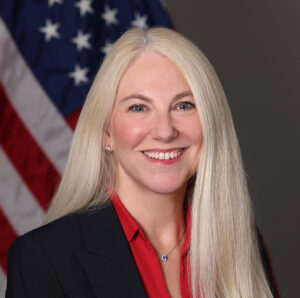
Michelle Simon, PhD, ND, President & CEO, Institute for Natural Medicine
In 1992, the leadership core of naturopathic doctors established the Institute for Natural Medicine (INM) as a not for profit organization dedicated to advancing natural medicine. The purpose of the INM is to increase awareness of, broaden public access to, and encourage research about natural medicine and therapies. Among its milestones the INM counts the launch of the Association of Accredited Naturopathic Medical Colleges (AANMC) as an independent organization, leading California’s efforts to obtain licensure, developing an interactive childhood education program focused on healthy eating and lifestyles called Naturally Well in 2017, and expanding residency access by establishing and funding a residency program in 2018. INM has joined forces with the American Association of Naturopathic Physicians (AANP), serving as the charitable arm, to deepen access to naturopathic care, public education and research. Dr. Michelle Simon serves as president and CEO of INM, is a licensed naturopathic physician, clinician, educator and leader in many organizations dedicated to improving the quality and delivery of health care. In addition to holding a naturopathic doctorate from Bastyr University, she also holds a PhD in Biomedical Engineering from the University of North Carolina at Chapel Hill. Dr. Simon has served on the boards for the Integrative Healthcare Policy Consortium (IHPC), the AANP and the Naturopathic Physicians Research Institute (NPRI). Dr. Simon also served nine years on the Washington State Health Technology Clinical Committee which is part of the Health Technology Assessment program that examines the scientific evidentiary basis for efficacy, safety and cost effectiveness of health care technologies. She was also an invited participant for health care economics at “Summit on Integrative Medicine and the Health of the Public” at the Institute for Medicine (IOM) in 2009. Dr. Simon was recognized as the 2018 Physician of the Year by the AANP.
Twitter: #inaturemed
Facebook: @INMWeAreNaturalMedicine