Top Headlines

New Form of Omega-3 Could Prevent Visual Decline With Alzheimer’s Disease
For the first time, researchers have developed a form of the omega-3 fatty acid docosahexaenoic acid (DHA) that is capable of crossing into the eye’s retina to ward off visual declines related to Alzheimer’s disease, diabetes and other disorders. The DHA found in fish oil capsules and other supplements is typically in a form called ...

Logan University Partners with Houston Community College for 2+2 and 2+4 Agreements
In an effort to better serve students intending to pursue a Bachelor of Science in Human Biology or a Doctor of Chiropractic degree, Logan University has announced two articulated program agreements with Houston Community College (HCC). HCC is an open-admission, public institution of higher education offering a high-quality, affordable education throughout the Houston, TX area. ...

Life’s First Naturals Expands Health Care Practitioner Supplement Line
PanTheryx (Boulder, CO) has launched its second health care practitioner product line–Life’s First Naturals PRO ColostrumOne Extra Strength–further supporting the professional market. The supplement uses high-quality bovine colostrum with proprietary technology in ColostrumOne Extra Strength, which shows nearly twice the availability of immune bioactives than the original formula. The new formulation is available for adults ...

A Higher Dose of Magnesium Each Day Keeps Dementia at Bay, Study Says
More magnesium in our daily diet leads to better brain health as we age, according to scientists from the Neuroimaging and Brain Lab at The Australian National University (ANU). The researchers say increased intake of magnesium-rich foods such as spinach and nuts could also help reduce the risk of dementia, which is the second leading ...

Vitamin A May Reduce Pancreatitis Risk During ALL Treatment
Consuming a diet rich in vitamin A or its analogs may help prevent children and young adults with acute lymphoblastic leukemia (ALL) reduce their risk of developing painful pancreas inflammation during chemotherapy treatment. Details about this potential dietary solution to prevent a potentially life-threatening adverse event were published in Science Translational Medicine. The research team was ...
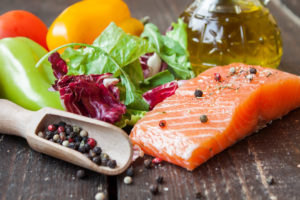
Mediterranean Diet Associated With Decreased Risk of Dementia, Study Finds
Eating a traditional Mediterranean-type diet—rich in foods such as seafood, fruit, and nuts—may help reduce the risk of dementia by almost a quarter, a new study has revealed. Experts at Newcastle University (U.K.) found that individuals who ate a Mediterranean-like diet had up to 23 percent lower risk for dementia than those who did not. ...
Logan University Announces 2023 Symposium
Logan University will welcome chiropractors and health science professionals back to Symposium this spring. Taking place April 13-16 on Logan’s campus (1851 Schoettler Rd., Chesterfield, MO 63017) and at the St. Louis Union Station Hotel (1820 Market St., St. Louis, MO 63103), the 2023 Symposium will provide continuing education opportunities, chiropractic exhibitors, networking events and ...

Cleveland Clinic Study Finds Erythritol Linked to Higher Rates of Heart Attack and Stroke
New Cleveland Clinic research showed that erythritol, a popular artificial sweetener, is associated with an increased risk of heart attack and stroke. Findings were published on Feb. 27 in Nature Medicine. Researchers studied more than 4,000 people in the U.S. and Europe and found those with higher blood erythritol levels were at elevated risk of experiencing a major ...

For Older Adults, Every 500 Additional Steps Taken Daily Associated With Lower Heart Risk
A new study found that walking an additional 500 steps, or about one-quarter of a mile, per day was associated with a 14 percent lower risk of heart disease, stroke or heart failure, according to preliminary research to be presented at the American Heart Association’s Epidemiology, Prevention, Lifestyle & Cardiometabolic Health Scientific Sessions 2023. The ...

IFM Unveils New Scholarship Honoring Organization Founders, Susan and Jeff Bland, PhD
The Institute for Functional Medicine (IFM) has launched the IFM Founders’ Scholarship, honoring organization founders, Susan and Jeffrey Bland, PhD. This scholarship will support functional medicine education for primary care practitioners working with underserved communities who show exemplary leadership and passion for their communities and the mission of IFM. “We founded and funded The Institute for ...
Don't Miss Out!


Industry Professionals
Stay Informed!
Stay informed about the latest health, nutrition, and wellness developments by signing up for a FREE subscription to Natural Practitioner magazine and digital newsletter.
Once subscribed, you will receive industry insights, product trends, and important news directly to your doorstep and inbox.