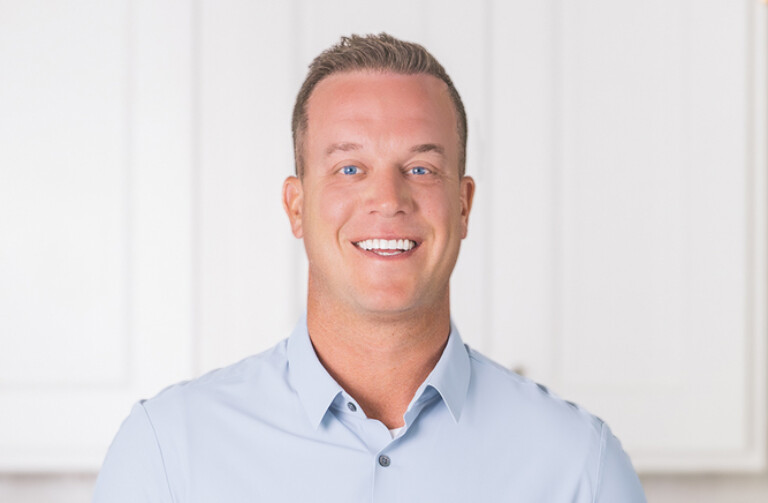
Josh Redd, NMD, MS, MPHb is the founder of PalmaVita Clinic, a leading regenerative medicine and longevity center, and RedRiver Health and Wellness, one of the nation’s largest functional medicine clinic groups specializing in autoimmune conditions. He earned his master’s in public health biology with an emphasis in molecular biology and immunology from Johns Hopkins University, where he studied stem cell and regenerative therapies at the molecular level. Dr. Redd completed his residency under regenerative medicine pioneer Dr. Harry Adelson and has performed more than a thousand precision-guided injections for spinal, joint and soft tissue conditions. His integrative approach combines regenerative therapies, functional medicine and advanced nutrition to help patients reduce inflammation, restore vitality and achieve lasting health.
Q: What was your motivation behind writing The 30-Day Inflammatory Reset?
A: My motivation came from watching thousands of patients struggle with conditions rooted in inflammation—autoimmune issues, chronic fatigue, brain fog, joint pain—yet never finding lasting solutions in the traditional medical model. Too often, symptoms are managed with medications rather than uncovering and correcting the root causes. I wanted to create a clear, science-backed roadmap that empowers people to take control of their health, reduce inflammation naturally, and reclaim their energy and vitality in just 30 days.
Q: What is chronic inflammation and what are some of the root causes?
A: Chronic inflammation is a persistent, low-grade immune response that silently damages tissues and accelerates disease over time. Unlike acute inflammation, which helps us heal from injury or infection, chronic inflammation never “shuts off.” Some root causes include:
• Poor diet (high sugar, processed foods, refined oils)
• Environmental toxins (mold, pollutants, chemicals)
• Hidden infections (viral, bacterial, parasitic)
• Gut imbalances (leaky gut, dysbiosis)
• Unresolved stress and poor sleep
• Physiological imbalances. (Methylation issues, detoxification, blood sugar imbalances, hormonal imbalances, gut issues, etc.).
Q: In the book, you talk about the importance of lifestyle choices. Talk about some of the anti-inflammatory ones.
A: Lifestyle is medicine. Simple daily choices profoundly influence inflammation levels.
Some of the most powerful anti-inflammatory habits include:
• Whole-food nutrition rich in antioxidants, omega-3s and phytonutrients
• Daily movement to improve circulation and reduce insulin resistance
• Mindfulness, stress reduction & vagal nuclei stimulation (prayer, meditation, deep breathing)
• Quality sleep to regulate hormones and repair the body
• Reducing toxin exposure by cleaning up personal care, cleaning products and home air quality.
Q: How does one go about resetting their diet? What steps should they take?
A: Resetting your diet begins with removing what inflames you and replacing it with what heals you.
1. Remove: Eliminate sugar, processed foods, gluten, dairy, refined oils and alcohol.
2. Replace: Build your meals around vegetables, high-quality proteins, healthy fats and low-glycemic fruits.
3. Reinforce: Use herbs, spices and targeted nutrients that cool inflammation.
4. Reintroduce carefully: After 30 days, test foods one by one to see how your body responds.
Q: Do you recommend dietary supplementation? If so, which ones?
A: Yes, but only when they’re used strategically. Supplements can accelerate healing and fill nutritional gaps. I formulate and have a line of evidence-based therapeutic supplements for Just Ingredients. Some of the most impactful standard anti-inflammatory supplements include:
• Omega-3 fatty acids (EPA/DHA) → lowers systemic inflammation
• Curcumin (from turmeric) & black seed oil → reduces cytokine activity
• Quercetin & resveratrol → mast-cell stabilization and antioxidant protection
• Vitamin D3/K2 → immune regulation
• Magnesium & methylated B vitamins → stress response and cellular repair
• Probiotics or prebiotics → gut-immune balance.
Q: What are some overlooked causes of inflammation?
A:
• Oral health issues (gum disease, root canals, oral pathogens)
• Hidden mold/mycotoxin exposure in homes and workplaces
• Chronic stress load,—even low-level, “background” stressors, blood sugar imbalances and high estrogen
• Poor circadian rhythm hygiene (late-night screens, lack of sunlight)
• Medication overuse (antibiotics, NSAIDs [non-steroidal anti-inflammatory drugs], acid-blockers) that disrupt the gut.
Q: How do managing stress, exercise and sleep factor into helping reduce inflammation?
A: They’re foundational pillars. Without them, even the best diet won’t fully reset inflammation.
• Stress: Chronic stress keeps cortisol elevated, which drives blood sugar swings, gut permeability, and inflammatory cytokines.
• Exercise: Movement enhances detoxification, improves insulin sensitivity and stimulates anti-inflammatory cytokines.
• Sleep: Deep sleep is when the brain clears toxins (glymphatic system) and the body repairs tissues. Poor sleep is a major driver of inflammatory disease.
Q: Is there anything else you would like to add?
A: I want people to know that inflammation is not destiny. You are not broken—your body is signaling that something is out of balance. When you address the root causes, give your body what it needs, and remove what harms it, the body knows how to heal. The 30-Day Inflammatory Reset is not a fad diet—it’s a blueprint to help you reclaim your health and create a sustainable, anti-inflammatory lifestyle for years to come.