What natural practitioners want to know now about brain health, cognitive issues and how to help patients focus better.
Cognition and focus are two terms that have increased in popularity in recent years. With Tim Ferris, Rich Roll and other celebrity influencers touting lifestyles that are purported to increase cognitive function, it’s no wonder more and more Americans are jumping on the bandwagon.
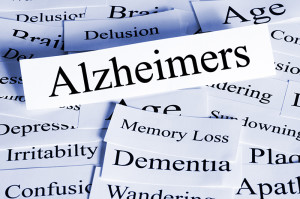
Trends purport that certain diets, herbs and physically demanding activities will prevent cognitive diseases like Alzheimer’s. But what cognitive function do individuals actually have control over? Is it possible to gain more focus in our modern and hectic world? And what products might natural practitioners suggest to patients which may potentially improve both focus and cognition?
Cognition and Focus: What’s the Problem?
Dr. Jacob Teitelbaum lives and practices medicine in Hawaii. “When it comes to dementia, an ounce of prevention is worth tons of cure,” he said. “Key reversible and preventable things driving dementia include nutritional deficiencies, poor diet, inflammation, hormonal deficiencies and chronic pain.” In fact, Dr. Teitelbaum believes that much if not most dementia is preventable. The conventional medical profession, however, is focused on expensive new medicines to treat dementia once it’s developed. “Even though these expensive treatments are close to useless,” he said.
David Tomen is the owner of Nootropics Expert LLC, based in Florida, and has authored two books on the topic. He stated that it’s deficiencies in most Americans’ diets that lead to cognition struggles and problems focusing. Information from the United States Department of Health and Human Services and Agriculture has found the general population deficient in vitamins A, C, D3 and E as well as choline, calcium, magnesium, iron and potassium, Tomen noted.1 “This is a new problem because our ancestors ate wild foods with dramatically higher levels of all essential fats, minerals, amino acids and vitamins,” he said. “There was no such thing as a dietary supplement industry 100 years ago.”
Dr. Azza Halmin is a multi-specialist physician who heads up the Azza MD Beauty practice with locations in Florida, California and Chicago, IL. She noted that it’s not just what people do, but what we refrain from that plays a significant role in cognition and focus. “We have digital overload with all the social media exposure which can lead to information overload, reducing attention spans and impacting cognitive function,” said Dr. Halmin. A lack of physical activity can contribute to poor cognition as well, she said.
Lifestyle Changes = Potential Improvements to Cognition & Focus
When asked about top lifestyle tips that might contribute to healthier cognition and focus, Dr. Teitelbaum recommends the following:
1. Add 1 to 2 teaspoons of olive oil daily to one’s meals.
2. Use your mind daily—exercise isn’t just for the muscles of the body
3. Fix your diet by cutting out inflammatory foods such as sugar and white flour (whole grains are okay, he noted)
“Do your best to eat a healthy diet of whole foods and avoid processed food as much as you can. And supplement with the very minimum BioActive Multivitamin, vitamin D, DHA (omega-3), and magnesium every single day,” Tomen suggested.
Dr. Halmin added that, “Key lifestyle habits to improve cognition include regular exercise to help stimulate the release of endorphins and growth factors for brain health; a diet rich in antioxidants and healthy fats, lean proteins, fruits, vegetables. Proper sleep, social engagement for cognitive stimulation, along with stress management. Healthy balanced nutrition helps support brain health therefore avoiding alcohol and extreme fad diets are also key.”
Dr. Stacey Smith, marketing and communications manager, NORAM for Gnosis by Lesaffre (France), stated that integrating lifestyle management is essential for any health issues. “Practitioners and consumers should consider what leads to their desire to support a particular area of their health. Are they doing too many activities—i.e., having too much on their proverbial plate? Are they getting enough sleep, eating a healthy diet and exercising adequately?” asked Dr. Smith. “One of the first questions I ask patients, especially adults with cognitive decline or burnout, is: Are you still engaging in activities you once enjoyed? If not, try incorporating at least one fun activity into your weekly routine to help manage stress.”
At Herb Pharm, a manufacturer located in Oregon, Sarah Hasler, MS, RD, is the head of botanical affairs. She pointed out that another area of health often affects one’s cognitive issues: stress and sleep problems. “When addressing cognitive health, don’t overlook these foundational issues. Often, ensuring that someone is getting a good night’s sleep and managing stress—whether through the use of botanicals or lifestyle change—will have an enormous impact on focus and cognition and allow other nootropics to work more effectively,” noted Hasler. “Additionally, don’t overlook cardiovascular health as a primary foundation of long-term cognitive health.”
Focus and Cognition: Must-have Natural Products and Ingredients
At Life Extension, a manufacturer based in Florida, Vanessa Pavey, ND works as an education scientist. She noted that Magnesium L-threonate is a best-seller and a must-have in the memory and cognitive health categories. “Magnesium is a necessary mineral that plays a role in memory and cognition function,” Dr. Pavey explained. “Magnesium L-threonate is a unique form of magnesium that has been shown in preclinical studies to more readily cross the blood-brain barrier compared to other forms of magnesium. Clinical studies have shown magnesium L-threonate to promote working memory, recall speed and overall cognitive health. One randomized, placebo-controlled trial included 44 subjects who received 1.5-2 grams of magnesium L-threonate (based on body weight) or placebo for 12 weeks.” The magnesium L-threonate group significantly improved in overall cognitive performance relative to baseline and placebo, Dr. Pavey said.2
Dr. Teitelbaum noted that there are several supplements he’d recommend when it comes to promoting better cognitive health and focus. These include a good multivitamin high in B vitamins and magnesium. Dr. Teitelbaum likes Essentials Multivitamin by EuroMedica. He also recommends an omega-3 vitamin and a curcumin supplement that’s easy to absorb like CuraPro 750 mg a day. Curcumin is believed to reduce inflammation in the body. “If there is pain, I use Curaphen instead, which also is a pain and inflammation relief miracle,” stated Dr. Teitelbaum. “Even though I feel great, I take the Essentials Multi, EurOmega3 and CuraPro myself each day for their dramatic health benefits.”
Liz Cooper, the technical advisor at Florida-based ADM Protexin stated that, “There is increasing evidence to support the link between gut inflammation and systemic inflammation, including in the brain, which could impact memory and cognitive function. In fact, it is believed that oxidative stress and inflammation are key contributors to brain aging and subsequent changes in brain functionality.”3 Cooper said that consuming a grape and blueberry extract may be beneficial for those struggling with cognition or focus issues. “This extract can be found in Bio-Kult Mind, which also contains a specific strain of bacteria called Bacillus subtilis PXN21,” said Cooper. “This strain was used in a Parkinson’s trial and was found to prevent and reduce the accumulation of a protein associated with Parkinson’s disease.”4
Hank Cheatham, vice president of marketing and sales at Daiwa Health Development (California), noted that the company is focusing on an area that isn’t as common as some others: plasmalogens in the brain. A loss of these, he said, can cause a decline in memory and cognitive function. “Plasmalogens are a type of phospholipid present in almost all human tissues and are most abundant in the brain and heart. They are essential for their critical role in memory, focus and other cognitive functions, and are especially crucial for remaining active.” Studies in this area are ongoing and Daiwa Health Development is encouraged by the findings. “The results suggest that oral administration of scallop-derived purified plasmalogens, as found in Daiwa Brain Health, may enhance cognitive functions, promote memory loss inhibition and focus,” said Cheatham.
At TruGen3, a manufacturer located in Pennsylvania, Chris D. Meletis, ND, partners with the company as an independent practitioner. He stated that there is a great need to control neuroinflammation that otherwise erodes cognitive capacity. This can also create neuronal “static” and an unhealthy brain micro-ecology. “Neuroinflammation also contributes to neurodegeneration, anxiety and depression,” Dr. Meletis stated. To combat that, he recommends the use of sustainable EPA/DHA and botanicals like curcumin with enhanced absorption to enter the systemic circulation and cross the blood-brain barrier. He also noted, “Supporting controlling excess histamine with ingredients such as quercetin is also clinically a strong consideration.”
When it comes to “must-haves” in this category, Denise Michalik, marketing manager at Texas-based Chemi Nutra, LLC stated that botanicals like rhodiola, ginseng and lion’s mane are gaining attention for their potential cognitive benefits. “Potential” is the key word, Michalik noted. “These botanicals have a history of use and suggested results in supporting memory, focus, mental clarity and overall brain function through various mechanisms. However, there are other ingredients with more rigorous standardized product forms and more rigorous proven clinical results such as AlphaSize A-GPC, which is sourced from natural ingredients and is GRAS (generally recognized as safe) and IGEN non-GMO (genetically modified organism) certified,” she stated.
Chief of Scientific Affairs and Education, at the manufacturer, EuroMedica, Inc., in Wisconsin, Cheryl Myers pointed to ginseng. “For staying on task during long afternoons at work, HRG80 red ginseng can help in ways that I think many people would find relatable,” she noted. Myers stated that the results of clinical studies of this product have been very promising. Another of the company’s products, GMT23 Greek Mountain Tea, is showing promise in clinical studies. One study showed that individuals using Greek mountain tea scored higher in tests of accuracy, processing visual information at a rapid pace, and while under pressure, Myers said.5
Trends in This Submarket
Joe Brunner is president of Endurance Products Company (EPC), a manufacturer that’s based in Oregon. When it comes to trends in cognition and focus, he stated that a notable one is the amount of research being done. “A quick search of PubMed reveals the number of relevant articles published in the scientific literature has been steadily increasing over the past several years,” said Brunner. He stated that this is an “intriguing area of research” and that he’s most interested in the profound potential that vitamins, minerals, antioxidants, omega-3 fats and other nutrients have in both cognitive and focus issues. “To me, it’s a welcome trend. Why? Relying on solid science is the only way formulators can develop quality products that have a meaningful impact on mental function, whether the goal is to help optimize mental sharpness or to help prevent age-related cognitive decline,” Brunner said.
Dr. Meletis too, noted that the largest trend he’s noticed is consumers and medical providers alike being more interested in the scientific research and evidence behind products. “The use of well-researched ingredients that have registered trademarks with studies showing efficacy and absorption is vitally important,” Dr. Meletis said.
Dr. Alexander Zubkov, neurologist and formulator for 1MD Nutrition, a manufacturer in California, concurred with this growing interest. “When it comes to cognitive function and focus products, practitioners tend to look for ingredients with solid research backing their efficacy and safety. They may scrutinize aspects like bioavailability, potential drug interactions, and sustainability/sourcing of ingredients,” Dr. Zubkov said. “Benefits like improved memory, attention, processing speed, and neuroprotection are usually desired, while side effects like jitteriness are avoided. Compliance with supplement through simplification of administration are also highly desired.”
Hasler stated that a trend she’s noticed recently is renewed interest in mushrooms. “Within that category, we’re seeing a focus on mushrooms that may help with cognition and focus,” noted Hasler. “Additionally, some of the herbs that have been used for energy and vitality have been re-examined as also supporting cognitive health and mental focus.”
Myers shared her observations about trends in this market. “While cognitive health is certainly a focus for our aging population, who wish to remain active and independent throughout their lives, it’s also increasingly important to younger people, who are more in tune with brain health and natural ways to support their health than ever before,” she said. “There’s also a growing trend toward using clinically validated dietary supplements as people search for even more ways to maintain a healthy quality of life. Practitioners, in particular, are looking for safe, effective products that deliver proven results their patients can count on.”
Dr. Smith noted that there is a new focus on burnout in the post-COVID world. “The struggle of balancing work and family is real, leaving some feeling overwhelmed and drained. When shifting to one part of their lives, they are often unable to focus fully because they are preoccupied, and often feel guilty, with what they have not accomplished or completed in the other part,” said Dr. Smith. “It is a problematic and exhausting dichotomy; consumers need solutions to secure that balance.”
Misconceptions About Cognition and Focus
One common misconception about cognition, said Dr. Teitelbaum, is that dementia is fixed in stone in one’s genetics and there is little that can be done to prevent or slow it down. This simply isn’t true, he noted. “At autopsy, about half of people diagnosed with Alzheimer’s are found not to have any Alzheimer’s. Rather they had other, and often treatable, causes of dementia,” he explained.
Tomen said that he hears a few myths regarding cognition and focus. The most prevalent? That cognition and focus will naturally decline with age, he said. This though, doesn’t have to happen. “For example, dopamine declines by 10 percent per decade starting in your early 20s. When you reach 60, you’ll have about 60 percent of the dopamine in your brain compared to when you were 21,” Tomen explained. “The easiest way to fix this is supplementing with 500 mg L-Tyrosine twice per day with vitamins B6, B9, & B12, vitamin D, and magnesium to boost dopamine back to normal levels.” Acetylcholine is another level in the body that tends to decrease with age, Tomen noted. “You can restore acetylcholine levels by supplementing with 300 mg CDP-Choline and 500 mg Acetyl L-Carnitine (ALCAR) twice per day with vitamins B1 and B5, vitamin D, and magnesium.” These, he said, are “Absolutely required for optimal cognition and focus.”
One misconception that Dr. Zubkov sees frequently is that cognition and focus support are only of interest to older Americans. Instead, “The demographics most interested in cognitive health products seem to include students looking to improve focus for academics, working professionals aiming to boost productivity,” he said, though interest spans age groups.
Who’s Buying? What’s the Market Like Now?
Cheatham stated, “There is far more awareness and concern about one’s cognitive health than there was five or more years ago.” Cheatham referenced statistics via Grand View Research Inc., that found the global brain health supplements market, currently valued at 7.21 billion in 2020, is forecasted to experience a compound annual growth rate of 8 percent from 2021 to 2028. “The increasing interest in improving and maintaining brain health among consumers has been driving product demand all over the world,” he said. “Furthermore, the growing number of promotional activities, rising self-directed users, and increasing willingness to improve brain functions are positively impacting the growth of the market.”
One demographic is being overlooked when it comes to cognition and focus though, stated Michalik. “The women’s market has emerged as an underserved target demographic. Women’s supplement needs span across many ages, women in their 40s, 50s, and beyond have created a ‘broader trend of women’s health product growth.’6 The responsibility of childcare, running a household and being a caregiver has created the need for women to seek out overall brain health, having the stamina for cognition and focus to manage it all,” Michalik stated.
Brunner stated that a major concern for natural health practitioners is being certain a product has ingredients that are backed by solid science. He also sees a lot more practitioners expressing an interest in clean products—those formulated without sugar, artificial colors, flavors, preservatives or sweeteners, and are free of common allergens. “At EPC, our proprietary wax-matrix tableting technology allows us to meet this need,” Brunner said. “In addition, practitioners are asking about third-party certifications so they can feel confident about the quality of products. For example, we participate in the UL National Brand Certification Program to certify every step of our production process from manufacturing to distribution meets quality standards.”
Dr. Pavey noted that nootropics ingredients, along with neurohacking, continue to be big in the cognitive and focus market. “Neurohacking refers to healthy individuals looking to optimize brain function and enhance cognitive performance,” she explained. “Often the goal is to gain an edge in mental performance for work or school.” Staving off age-related cognitive decline isn’t necessarily the impetus behind the use of cognitive and focus-related natural health products at least with younger individuals.
“Previously, the main consumers looking to support memory with nutritional ingredients have primarily been 60 years or older,” said Dr. Pavey. “Millennials and Generation Xers are primarily focused on getting ahead in their careers, so improving mental performance and stamina without the jitters of caffeine is desirable.” Likewise, Gen Z is entering adulthood and experiencing added pressures from school and joining the workforce, Dr. Pavey explained. “Safe and effective nootropic ingredients can help increase confidence when approaching new challenges, especially when looking to gain a competitive edge.”
New information and studies continue to emerge in the field of cognition and focus. It’s an exciting time to be part of this ever-changing and growing market.
References:
1 Blumberg, Jeffrey B et al. Nutrients vol. 10,2 248. 22 Feb. 2018, doi:10.3390/nu10020248.
2 Liu G, et al. J AlzheimersDis. 2016; 49(4):971-90, https://pubmed.ncbi.nlm.nih.gov/26519439/.
3 Sarubbo F, et al. Neurosci Biobehav Rev 2018; 90: 456–70, https://doi.org/10.1016/j.neubiorev.2018.05.011.
4 Goya ME, et al. Cell Rep 2020; 30: 367-380.e7, https://doi.org/10.1016/j.celrep.2019.12.078.
5 Wightman EL, et al. Nutrients. 2018 Jul 24;10(8):955. doi: 10.3390/nu10080955.
6 Informa Markets. (2024, May). Natural Products Insider (Women’s Health Issue).
Healthy Take Aways
• The United States Department of Health and Human Services and Agriculture has found the general population deficient in vitamins A, C, D3 and E as well as choline, calcium, magnesium, iron and potassium.
• Bodies aren’t the only things that need exercise. Challenging the brain daily can help cognition and focus.
• Regular exercise often helps improve brain health. Individuals should find an activity they enjoy to help them stick with the habit long-term.
For More Information:
1 MD Nutrition, https://1md.org/product/mindmd
ADM Protexin, www.bio-kult.com
ChemiNutra, LLC, www.cheminutra.com
Daiwa Health Development, www.dhdmed.com
Endurance Products Company, www.enduranceresearch.com
EuroMedica, Inc, www.euromedicausa.com
Gnosis by Lesaffre, www.gnosisbylesaffre.com
HerbPharm, www.herb-pharm.com
Life Extension, www.lifeextension.com
TruGen3, www.trugen3.com