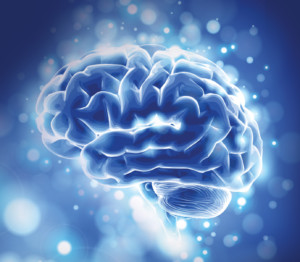
 Researchers at University of California, San Francisco (UCSF) have identified a biological process that may explain why exercise sharpens thinking and memory. Their findings suggest that physical activity strengthens the brain’s built in defense system, helping protect it from age related damage. The study is published in the journal Cell.
As people grow older, the blood-brain barrier becomes more fragile. This tightly packed network of blood vessels normally shields the brain from harmful substances circulating in the bloodstream. Over time, however, it can become leaky, allowing damaging compounds to enter brain tissue. The result is inflammation, which is linked to cognitive decline and is commonly seen in disorders such as Alzheimer’s disease.
Several years ago, the research team discovered that exercising mice produced higher levels of an enzyme called GPLD1 in their livers. GPLD1 appeared to rejuvenate the brain, but there was a mystery. The enzyme itself cannot cross into the brain, leaving scientists unsure how it delivered its cognitive benefits.
The new research provides an answer.
The scientists found that GPLD1 influences another protein known as TNAP. As mice age, TNAP builds up in the cells that form the blood-brain barrier. This buildup weakens the barrier and increases leakiness. When mice exercise, their livers release GPLD1 into the bloodstream. The enzyme travels to the blood vessels surrounding the brain and removes TNAP from the surface of those cells, helping restore the barrier’s integrity.
“This discovery shows just how relevant the body is for understanding how the brain declines with age,” said Saul Villeda, PhD, associate director of the UCSF Bakar Aging Research Institute and senior author of the paper.
To determine how GPLD1 exerts its effects, the team focused on what the enzyme does best. GPLD1 cuts specific proteins from the surface of cells. Researchers searched for tissues containing proteins that could serve as targets and suspected that some of these proteins might accumulate with age.
Cells in the blood-brain barrier stood out because they carried several possible GPLD1 targets. When the scientists tested these proteins in the lab, only one was trimmed by GPLD1: TNAP.
Further experiments confirmed TNAP’s importance. Young mice genetically modified to produce excess TNAP in the blood-brain barrier showed memory and cognitive problems similar to those seen in older animals.
When researchers reduced TNAP levels in 2-year-old mice—which are the equivalent of 70 human years—the blood-brain barrier became less permeable, inflammation decreased, and the animals performed better on memory tests.
“We were able to tap into this mechanism late in life, for the mice, and it still worked,” said Gregor Bieri, PhD, a postdoctoral scholar in Villeda’s lab and co-first author of the study.
The findings suggest that developing medications capable of trimming proteins such as TNAP could offer a new strategy to restore the blood brain barrier, even after it has been weakened by aging.
“We’re uncovering biology that Alzheimer’s research has largely overlooked,” Dr. Villeda said. “It may open new therapeutic possibilities beyond the traditional strategies that focus almost exclusively on the brain.”
For more information, visit www.ucsf.edu.