vitamin k

Vitamin K1 & K2 as MK-7 and MK-4: Differences and Applications
Vitamin K, particularly vitamin K2, represents a significant segment of the vitamin market. In fact, the global vitamin K2 market size was estimated at $421.1 million in 2023 and is projected to grow at a CAGR of 10.8 percent from 2024 to 2030.1 Certainly, vitamin K2 as menaquinone-7 (MK-7) has been recognized for its role ...

Eating Prunes May Help Protect Against Bone Loss in Older Women
It’s already well known that prunes are good for your gut, but new Penn State research suggests they may be good for bone health, too. In a research review, the researchers found that prunes can help prevent or delay bone loss in postmenopausal women, possibly due to their ability to reduce inflammation and oxidative stress, ...

Growing Evidence of Vitamin K Benefits For Heart Health
New Edith Cowan University (ECU, Australia) research has found that people who eat a diet rich in vitamin K have up to a 34 percent lower risk of atherosclerosis-related cardiovascular disease (conditions affecting the heart or blood vessels). Researchers examined data from more than 50,000 people taking part in the Danish Diet, Cancer and Health ...

Vitamin K: The Little Known Vitamin With a Big Role in Health
In the nutrition world, some vitamins are important to our health, but don’t stand out. While we tend to hear a lot about the importance of vitamins C and D lately, we need to keep in mind that there are other vitamins out there that support the functions of our bodies, and that without them, ...
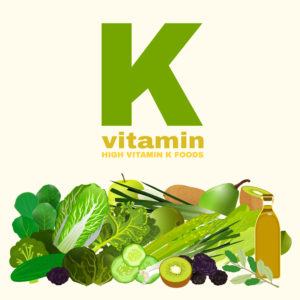
New Study Suggests Vitamin K Deficiency as the Missing Link in COVID-19 Pathogenesis
A review, published in the British Journal of Nutrition, presents vitamin K metabolism as the potential missing link between lung damage and thromboembolism, two of the most serious outcomes observed in COVID-19 patients. “Considering that vitamin K is important for regulating lung health and blood clotting, vitamin K deficiency during COVID-19 may make both those ...
Can Vitamin D Work Without Magnesium?
Extensive research has shown that vitamin D deficiencies play a major role in the development of dozens of diseases, including breast, prostate and colon cancer, as well as diabetes, heart disease, arthritis, osteoporosis, psoriasis and mental illness, according to the nonprofit Nutritional Magnesium Association (NMA). While many people are beginning to realize the health benefits ...
Don't Miss Out!


Industry Professionals
Stay Informed!
Stay informed about the latest health, nutrition, and wellness developments by signing up for a FREE subscription to Natural Practitioner magazine and digital newsletter.
Once subscribed, you will receive industry insights, product trends, and important news directly to your doorstep and inbox.