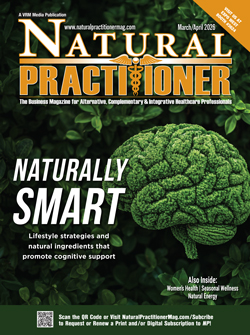
“Brain fog” is one of the most common—and frustrating—complaints heard in integrative and functional health practices. People often describe feeling mentally sluggish, forgetful, unfocused or simply not like themselves. Although brain fog is not a formal medical diagnosis, it is a very real experience and often an important signal that something in the body or brain is out of balance.1 Rather than dismissing it, clinicians increasingly view brain fog as meaningful feedback from the nervous system.
What Brain Fog Actually Is (and Is Not)
Brain fog is best understood as a cluster of cognitive symptoms rather than a disease entity. Individuals may have trouble concentrating or sustaining attention, slower thinking or processing speed, word-finding difficulties, forgetfulness or short-term memory lapses, mental fatigue, or a general sense of feeling “detached” or less mentally sharp. Importantly, brain fog is functional rather than degenerative. Unlike dementia or neurodegenerative disease, symptoms tend to fluctuate, are often situational, and are frequently reversible.2 In many cases, the more helpful question is not “What is wrong with my brain?” but rather “What is interfering with how my brain is functioning?”
Common Contributors to Brain Fog
Several physiological systems can influence cognitive clarity. Brain fog often reflects disruptions in neurotransmitter balance, blood sugar regulation, sleep architecture, inflammatory signaling, hormonal shifts or stress physiology- particularly the hypothalamic-pituitary-adrenal (HPA) axis.3 Because these systems are deeply interconnected, brain fog is typically multifactorial rather than caused by a single issue.
Hormonal changes are a common contributor. Fluctuations in estrogen, progesterone, thyroid hormones and cortisol can significantly affect cognition. Estrogen, for example, plays an important role in synaptic plasticity, cerebral blood flow and neurotransmitter modulation, helping to explain why brain fog is frequently reported during perimenopause and menopause.4,5 Thyroid dysfunction can similarly impair processing speed and attention.
Sleep disruption is another major driver. Sleep deprivation and fragmented sleep impair attention, working memory and executive function. Chronic insomnia and sleep disorders such as obstructive sleep apnea are strongly associated with cognitive complaints.6 Without adequate restorative sleep, the brain cannot efficiently consolidate memory or clear metabolic waste products, leading to mental fatigue and reduced clarity.
Blood sugar imbalances also play a significant role. The brain relies heavily on stable glucose availability, and dysregulation can negatively affect hippocampal function and cognitive performance. Repeated spikes and crashes in blood sugar may contribute to difficulty concentrating, irritability and mental exhaustion.7 Chronic stress compounds this effect. Sustained elevations in cortisol can impair memory formation and retrieval—particularly within the hippocampus—and reduce cognitive flexibility.8
Inflammation is another important consideration. Neuroinflammation, whether related to illness, autoimmune conditions, metabolic dysfunction or prolonged stress exposure, can disrupt neurotransmission and cerebral blood flow.9 Even low-grade systemic inflammation may influence how sharp or resilient the brain feels. In addition, nutrient deficiencies—including inadequate levels of B vitamins, iron, magnesium, omega-3 fatty acids and vitamin D—have been linked to cognitive symptoms and diminished mental performance.10,11
Lifestyle Strategies That Support Cognitive Clarity
Fortunately, foundational lifestyle strategies often provide meaningful improvement. Prioritizing sleep quality is essential. Improving sleep duration and continuity supports memory consolidation and cognitive processing, and cognitive behavioral therapy for insomnia (CBT-I) has demonstrated effectiveness in improving both sleep and cognitive symptoms.12 Stabilizing blood sugar through balanced meals that include protein, fiber and healthy fats can reduce glycemic variability and support consistent cognitive energy.7
Regular physical activity is another powerful tool. Both aerobic and resistance training increase cerebral blood flow, reduce inflammation and promote neurogenesis, all of which are associated with improved cognitive performance.13 Reducing cognitive overload is equally important. Chronic multitasking and information saturation contribute to mental fatigue; structured routines, single-tasking, and the use of external memory supports can decrease cognitive strain.14 Stress management practices such as mindfulness, breathwork, yoga and somatic therapies help regulate stress reactivity and may lower cortisol levels, supporting clearer thinking.15
Supplements That May Support Brain Function
In some cases, targeted supplementation may offer additional support when individualized appropriately. B-complex vitamins (particularly B6, B12, and folate) support neurotransmitter synthesis and methylation pathways.10 Magnesium—especially glycinate or threonate forms—may assist with nervous system regulation and sleep quality.16 Omega-3 fatty acids (EPA and DHA) provide anti-inflammatory benefits and support neuronal membrane integrity.11 Adaptogenic herbs such as Rhodiola rosea and ashwagandha may improve stress tolerance and mental fatigue.17 Phosphatidylserine has been studied for its role in memory and stress response regulation,18 and vitamin D deficiency has been associated with cognitive impairment and mood disturbances.19 Any supplementation plan should be individualized and considered alongside medications, medical conditions and personal tolerance, ideally in consultation with a health care provider.
When Brain Fog Warrants Medical Evaluation
Although brain fog is often benign and reversible, certain features warrant further medical evaluation. Persistent or worsening symptoms may justify assessment for thyroid disease, anemia, vitamin deficiencies, sleep disorders, autoimmune conditions, mood disorders or neurocognitive disease. Urgent evaluation is appropriate if brain fog is sudden in onset, progressively worsening, accompanied by neurological symptoms such as weakness, numbness or speech changes, or associated with severe headaches, vision changes, fainting, unexplained weight loss, fever or night sweats.20
For many individuals, brain fog is a signal—not a sentence. It frequently reflects hormonal transition, physiological stress or lifestyle imbalance rather than permanent cognitive decline. With education, foundational lifestyle adjustments, and targeted interventions when appropriate, cognitive clarity often improves. Reassurance itself can be therapeutic: experiencing brain fog does not mean one is aging poorly or losing cognitive capacity. More often, it means the brain is asking for support.
References:
1 Whelan, M. et al. Cognitive complaints in primary care. Br J Gen Pract. 2019.
2 Petersen, R.C. Mild cognitive impairment. N Engl J Med. 2011.
3 McEwen, B.S. Stress and hippocampal plasticity. Annu Rev Neurosci. 2017.
4 Brinton, R.D. Estrogen regulation of brain function. Endocr Rev. 2009.
5 Weber, M.T., Mapstone, M. Memory complaints during menopause. Menopause. 2009.
6 Killgore, W.D.S. Effects of sleep deprivation on cognition. Prog Brain Res. 2010.
7 Cox, D.J. et al. Glycemic control and cognitive function. Diabetes Care. 2005.
8 Lupien, S.J. et al. Cortisol effects on cognition. Nat Rev Neurosci. 2009.
9 Dantzer, R. et al. Inflammation and cognition. Nat Rev Neurosci. 2008.
10 Smith, A.D. et al. B vitamins and cognitive decline. PNAS. 2010.
11 Yurko-Mauro, K. et al. Omega-3s and cognitive function. Alzheimers Dement. 2010.
12 Trauer, J.M. et al. CBT-I effectiveness. Ann Intern Med. 2015.
13 Erickson, K.I. et al. Exercise and brain health. PNAS. 2011.
14 Ophir, E. et al. Multitasking and cognitive control. PNAS. 2009.
15 Goyal, M. et al. Meditation programs for stress. JAMA Intern Med. 2014.
16 Boyle, N.B. et al. Magnesium and mental health. Nutrients. 2017.
17 Panossian, A., Wikman, G. Effects of adaptogens. Pharmaceuticals. 2010.
18 Crook, T. et al. Phosphatidylserine and cognition. Aging. 1991.
19 Balion, C. et al. Vitamin D and cognition. Neurology. 2012.
20 National Institute on Aging. Cognitive impairment and red flags. NIH.
Dr. Nicole Avena is an associate professor of neuroscience at Mount Sinai School of Medicine in New York, NY, and a visiting professor of health psychology at Princeton University in New Jersey. She is a research neuroscientist and expert in the fields of nutrition, diet and addiction, with a special focus on nutrition during early life and pregnancy, and women’s health. In addition to more than 100 peer-reviewed scholarly publications, Dr. Avena has written several popular books, including Why Diets Fail: Because You’re Addicted to Sugar, What to Eat When You’re Pregnant, What to Feed Your Baby and Toddler and What to Eat When You Want to Get Pregnant. Her latest book, Sugarless, was released in December 2023. She frequently appears as a science expert in the media, including regular appearances on Good Day NY, The Doctors, and the former Dr. Oz Show, as well as many news programs.