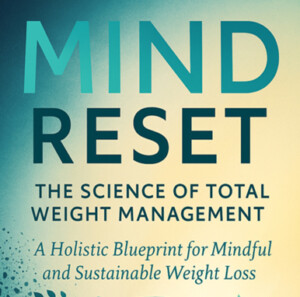
Supplementation and lifestyle changes for healthy weight.
According to Grand View Research, the global weight management market was valued at $142.58 billion in 2022 and is expected to grow at a compound annual growth rate (CAGR) of 9.94 percent from 2023 to 2030.
“The approval of GLP-1 agonist injectables for weight loss (Ozempic and Wegovy) by the FDA (U.S. Food and Drug Administration) in 2021 has turned the weight-loss industry on its head. One in eight people (12 percent) in the U.S. has either tried or is on these drugs,” said Sarah Kennedy, founder and CEO at New Zealand-based Calocurb Ltd.
Dr. Supatra Tovar, a clinical psychologist, registered dietitian, fitness expert and author based in Los Angeles, CA, said there is a noticeable shift toward more holistic and personalized approaches that cater to individual needs rather than one-size-fits-all solutions.
“People are increasingly drawn to strategies that feel customized to their unique health profiles and goals, often supported by advancements in technology like AI,” Dr. Tovar said. “At the same time, medical interventions, such as GLP-1 medications, are becoming central to many weight loss programs, reflecting a growing acceptance of medically supported approaches to obesity management.”
Dr. Tovar added holistic wellness is also taking center stage with programs addressing not just physical aspects of weight management, but also mental and emotional well-being. Her book and online course Deprogram Diet Culture are just some of the many available programs.
“This integration recognizes that long-term success isn’t just about diet and exercise—it’s about creating balance in all areas of life,” Dr. Tovar said. “Interestingly, there’s also been a surge in interest in natural alternatives, such as foods that naturally increase satiety or mimic the effects of weight loss medications, offering more accessible options for those who prefer non-pharmaceutical solutions.”
Michael Oredsson, CEO of The Akkermansia Company (Mont-Saint-Guibert, Belgium) agrees with Dr. Tovar that the integration of AI and customized nutritional support is facilitating a shift toward holistic and comprehensive health. He also observed a rise in GLP-1 medications, increased popularity in certain diets and nutrition trends such as intermittent fasting, high-protein intake, high fiber and biotics.
“There’s a growing emphasis on comprehensive wellness, where weight management is part of a broader health strategy encompassing mental well-being, sleep quality and stress management,” Oredsson said. “Consumers increasingly prefer products with natural, sustainable ingredients, reflecting a commitment to personal health and environmental responsibility.
Marge Roberts, CEO and president of Newton Homeopathics (Conyers, GA) said the weight management trends are unfortunately the same for most situations.
“We have become a microwave society. We want what we want, and we want it yesterday. We demand and expect a quick fix to that perfect body even if it calls for using pharmaceutical injections,” Roberts said. “However, I believe that this trend is triggered because of a lack of knowledge or mixed messages as to weight management and how the body works.”
Roberts also added there is “too much education” delivered by special-interest groups, particularly pharmaceutical and big agricultural companies.
“The rules keep changing. Butter is bad, until it is not. First fat was the demon, then sugar became the demon. Even cigarettes were good, advertised by medical doctors, until they were bad. Consumers are confused and keep trying various approach dependent on the expert of the day,” Roberts said.
According to Pam Conboy, health care practitioner support & education, at Omni-Biotic Brands/AllergoSan USA (Port Chester, NY) weight loss has long been a concern for Americans. She said lifestyle changes are tough and sustainable weight loss remains elusive. She agrees with Roberts that there is misguided and mixed education.
“I believe that much of this confusion lies in misguided nutrition recommendations and the ubiquity of ultra-processed foods,” Conboy said. “Fortunately, much is coming to light about the hazards of these substances leading to a renewed appreciation for real food, as nature intended.”
Conboy added new GLP-1 biologics have offered a lifeline to address and reverse obesity, but the side effects make these options undesirable in the long-term.
“I feel therefore it is important to both continue educational efforts and provide more rational guidelines for healthful eating, as well as offer individuals safe and effective options to wean from GLP-1 while continuing to recognize the gains initiated with these therapies,” Conboy said.
What Customers Want
Consumers are primarily interested in sustainable weight-loss through safe and effective products.
Kennedy said the launch and education on weight-loss drugs has changed the traditional doctrine of weight management in that “willpower, sensible eating and exercise were only treatments.”
“Both practitioners and consumers are now starting to realize that weight management is a complex interaction of biology, genetics, and environment, with key evolutionary hormones driving our behavior. Drugs that can either mimic (GLP-1 agonist injections) or stimulate natural GLP-1 release are critical for managing hunger,” Kennedy said.
Oredsson said consumers are seeking out effective and safe products, as well as convenience and supportive resources. He emphasized clinical validation and transparency on ingredient sourcing and manufacturing processes are crucial.
“Busy lifestyles necessitate solutions that are easy to integrate into daily routines, such as supplements that don’t require refrigeration and have a long shelf life,” Oredsson said. “Access to educational materials, community support and professional guidance enhances the weight management journey, helping individuals make informed decisions and stay motivated.”
Dr. Tovar said her clients are craving more than just quick fixes. They want programs that provide sustainable results and prioritize long-term health.
“Individualized care is a top priority with many seeking plans that incorporate psychological and emotional support,” Dr. Tovar said. “Accessibility and affordability are also key, as people look for options that fit seamlessly into their lives without breaking the bank.”
Roberts agreed with Dr. Tovar that consumers want a quick fix but refuse to demand the fix at the expense of safety. She said homeopathy is an ideal choice to ensure safety.
“Homeopathy works with the body, has no known side effects, has no known drug/food/supplement interactions and is non-additive,” Roberts said. “You aren’t adding something the body may or may not need, but simply ‘triggering’ the body to come to balance and reach a healthy weight.”
Diet and Lifestyle
Both diet and lifestyle changes are critical for healthy weight management.
According to Dr. Tovar, sustainable weight management requires a multifaceted approach. She said a balanced diet centered on whole, unprocessed foods is key. She added physical activity is also important, combining aerobic exercises with strength training can help burn calories and build muscle. Other lifestyle factors include getting adequate sleep and self-care routines to manage stress.
In Deprogram Diet Culture, Dr. Tovar stresses the importance of letting go of restrictive dieting and understanding the body’s natural signals. She said fostering self-compassion and a positive connection with food is critical for long-term success.
“Mindful eating is another essential habit. It’s about paying attention to your body’s hunger and fullness cues, helping to prevent overeating, which keeps your hunger and fullness hormones in balance and promotes fat burning. But perhaps one of the most transformative aspects is addressing your relationship with food and yourself,” Dr. Tovar said.
Oredsson agreed with Dr. Tovar that sustainable weight management is multifaceted and is best achieved through a combination of nutrition, activity, behavioral changes and gut health support. He added exercise enhances the production of short-chain fatty acids (SCFAs) by gut bacteria, which are critical for gut health and play in role in reducing inflammation and improving metabolism.
“Adopting a diet rich in whole foods, including fruits, vegetables, lean proteins, while minimizing processed foods and added sugars, supports weight loss and overall health,” Oredsson said. “Incorporating foods or supplements containing probiotics and postbiotics can further support the gut microbiome, which plays a vital role in regulating metabolism and aiding weight maintenance.”
He also agreed that behavioral strategies such as mindful eating, stress management and adequate sleep are essential components for a weight management plan.
“Addressing gut health through probiotic and postbiotic supplementation complements these strategies by strengthening the gut barrier and helping regulate hormones related to appetite and energy storage, which are crucial for maintaining weight loss,” Oredsson said.
Conboy agreed with Dr. Tovar that clean, unprocessed foods and daily movement are crucial for weight management.
“There is good evidence that a number of so-called diets can be extremely effective, but there is no one-size fits all approach. Identifying and elimination allergens/food sensitivities should be a first step” Conboy said. “Considering limited-term restrictive diets such as carnivore, vegan, etc. can be very helpful but best initiated under physician supervision, long-term, whole, natural foods including lots of color, fiber, healthy fats and proteins will be an optimal approach for most.”
Roberts also believes diet is important, adding it is not simply about the quantity consumed, but the quality of the food. She said it is important to know if food is overprocessed, organic or whether it contains sugar, high-fructose corn syrup or vegetable oils.
“In the natural health care world, some believe certain body types make fat cells to store toxins. This may be the body’s way to protect vital organs from assault by toxins by storing them in a less harmful way,” Roberts said. “So, theoretically, the more toxins you ingest, inhale and absorb, the more fat cells need to be made to storm them.”
Kennedy also noted that diet and lifestyle are key components of a healthy weight management program, stating, “Products that make it easier for a person to follow a specific eating program and make healthier choices are just as important to not only get a person started on a health program but to maintain it.”
Products and Ingredients
As one of the fastest-growing health categories, there is a variety of natural alternatives dedicated to weight management.
Omni-Biotic manufactures Hetox, which has been clinically demonstrated to support improvements in liver function, toxin load reduction, cardiometabolic parameters, insulin sensitivity and hip to waist ratio, according to Conboy.
“The Omni-Biotic Hetox formulation contains strains designed to target the gut-liver axis and detoxification processes by producing toxin-degrading enzymes, decreasing anti-inflammatory cytokines, as well as promoting [and] producing short-chain fatty acids and metabolites that inhibit mast cell degranulation,” Conboy said. “It has also demonstrated a supportive role for individuals weaning from GLP-1 therapy.”
The Akkermansia Company’s flagship product is Healthy Weight, a culmination of more than 20 years of pioneering microbiome research. It contains pasteurized Akkermansia muciniphila MucT, a science-backed postbiotic designed to support gut health, metabolic health and weight management by protecting and restoring the gut barrier, according to Oredsson. It also provides superior stability and up to 100 times more bioavailability than other Akkermansia products on the market.
“Unlike live strains that are often destroyed by stomach acid and bile salts, this pasteurized form of Akkermansia muciniphila is stable and safe, reaching the small intestine and colon intact to effectively protect the gut barrier,” Oredsson said. “Low levels of this bacterium have been linked to leaky gut, inflammation and chronic conditions such as obesity, diabetes and cardiovascular disease.”
According to Roberts, Appetite~Craving Control from Newton Homeopathics is formulated not to suppress the appetite, but to bring the body to balance to achieve healthy weight. It is also used for people who are underweight. The formula is based on the clinical homeopathy approach from the renowned Belgian homeopath Dr. Luc Chaltin.
“When you think homeopathy–think balance. We say, ‘homeopathy doesn’t do the healing, your body does.’ Homeopathy is believed to ‘trigger” the body to start working and reaching for balance or homeostasis,” Roberts said. “Unlike pharmaceuticals, natural therapies such as homeopathy, chiropractic, acupuncture, massage and naturopathy all look to the inside for healing rather than to pharmaceuticals to suppress the symptoms.”
As per traditional homeopathic practice, Appetite~Craving contains single remedies for symptoms associated with overeating, cravings, fatigue, diminished appetite and emotional discomfort. These ingredients include Argentum nitricum for a desire for sweets, Berberis vulgaris and Graphites for excessive appetite, Nux vomica for craving of stimulants and Sepia for sudden cravings, according to Roberts.
“Most people in the United States do not overeat because they are hungry. They overeat because they are stressed, depressed, bored or have an imbalance of some sort. Because eating has an emotional component, Chamomilla and Valeriana officinalis are included for those with a tendency to being temperamental and oversensitive, Natrum sulphuricum for sadness and inclination to weep, Scutellaria lateriflora for irritability, and Pulsatilla for mild, timid, emotional and tearful emotions,” Roberts said.
Calocurb’s eponymous plant-based supplement was developed by the New Zealand government for more than 14 years with $30 million in funding. According to Kennedy, it is clinically proven to increase the body’s natural CCK and GLP-1 by 600 percent with a corresponding reduction in hunger by 30 percent, craving by 40 percent and calorie intake by 18 percent. It starts working in an hour and lasts for four to six hours.
Dr. Tovar said the foundation of effective weight management often lies in balanced nutrition. This includes high-protein foods as they help with satiety and muscle preservation. Plant-based proteins such as soy, beans and legumes and lean animal proteins such as fish and eggs are also excellent options. Fiber-rich foods including vegetables, fruits and whole grains, play an important role in supporting digestion and promoting fullness.
“Healthy fats are also essential; nutrient-rich sources like avocados, nuts, seeds and olive oil can provide lasting energy and essential nutrients,” Dr. Tovar said. “And let’s not forget whole grains like quinoa, brown rice and oats—they’re great for stabilizing blood sugar and keeping energy levels steady. Natural, minimally processed foods should be staples, as they not only reduce cravings but also support overall health.”
The Berberine Craze
Berberine has gained widespread attention as a natural alternative for weight management and is often marketed as “nature’s Ozempic” due to its similarity to GLP-1 medications.
Roberts believes it is a “bad idea” to control one’s weight by putting anything in the body that does not contribute to self-healing.
“It’s like taking an aspirin for a headache, the headache is not caused by an aspirin deficiency. Yes, take a supplement for a deficiency such as iron if low on iron, or vitamin D if low on vitamin D, but not to trick your body into doing something it would not naturally do,” Roberts said.
Dr. Tovar added GLP-1 agonists have transformed the landscape of obesity treatment. Although these medications enhance feelings of fullness and reduce appetite, they have not shown sustainable results, raising concerns about long-term dependency. She emphasized a lot of clients are turning to natural approaches without reliance on medication.
“While berberine shows potential in promoting satiety and reducing appetite, its effects are not as pronounced as pharmaceutical alternatives, and further research is needed to fully understand its impact,” Dr. Tovar.
Oredsson agreed with Dr. Tovar that berberine’s efficacy is not directly comparable to pharmaceuticals, adding GLP-1 agonists have shown significant weight loss outcomes on appetite and insulin secretion, but accessibility issues, cost and side effects remain significant challenges.
“In the wake of the popularity of GLP-1 drugs–and the challenges of maintaining weight for people who go off them—patients and their doctors are looking for ways to reduce weight regain after weight loss,” Oredsson said.
Kennedy explained practitioners and consumers need to understand that GLP-1 is a natural hormone that is stimulated after eating.
“It is a feedback mechanism from the stomach to the brain to tell us to stop eating, which is why, usually 40 minutes after a meal, we feel full,” Kennedy said. “So, just about anything we ingest can stimulate a small release of GLP-1. However, to get a behavioral change, the change in GLP-1 must be above 400 percent.”
Conboy said GLP-1 is perceived as a “magic pill” and can be extremely effective in terms of both satiety and weight loss.
“Its side effect/safety profile makes it less than desirable for long-term use. Berberine is long established for metabolic health, and I honestly believe it has simply caught the spotlight/popular attention recently. It can be helpful, but food is the biggest contributor to weight gain and loss,” Conboy said.
Final Thoughts
“Weight management is about so much more than just shedding pounds. It’s a journey toward building a sustainable, positive relationship with food, your body, and your overall health,” Dr. Tovar said. “By combining evidence-based medical advancements with holistic strategies that address both emotional and physical well-being, people can achieve lasting success. If you’re considering your options, it’s always a good idea to consult with a health care provider to determine the best approach for your individual needs.”
Healthy Take Aways
• The global weight management market is expected to grow at a CAGR of 9.94 percent from 2023
to 2030.
• Consumers are seeking out natural alternatives to GLP-1 agonists due to side effects, costs and accessibility issues.
• Weight management requires a multifaceted health approach.
• Berberine has shown potential for weight management, but more research is needed.
For More Information:
The Akkermansia Company, www.theakkermansiacompany.com
Calocurb Ltd., www.calocurb.com
Newton Homeopathics, www.newtonlabs.net
Omni-Biotic Brands/AllergoSan USA, www.omnibioticlife.com