Articles by Shari Barbanel

Dr. Christine Girard Named NUNM President
The National University of Natural Medicine (NUNM, Portland, OR) Board of Directors has appointed Christine Girard, ND, MPH, as the 18th president of NUNM. Dr. Girard will succeed David J. Schleich, PhD, who is retiring from the position after 12 years of service. Dr. Girard, a 1997 NUNM graduate, will assume the post July 1. ...
More Vitamin D May Improve Memory But Too Much May Slow Reaction Time
How much vitamin D can boost memory, learning and decision-making in older adults, and how much is too much? A unique Rutgers-led study found that overweight and obese older women who took more than three times the recommended daily dose of vitamin D showed improvements in memory and learning—but also had slower reaction times. The ...
One-third of Cancer Patients Use Complementary and Alternative Medicine
A stunning one-third of people with a cancer diagnosis use complementary and alternative medicines such as meditation, yoga, acupuncture, herbal medicine and supplements. UT Southwestern Medical Center’s (UTSW) Dr. Nina Sanford made the discovery that’s now drawing renewed attention to habits she said cancer patients must disclose during treatment. Dr. Sanford is an assistant professor ...
Logan University Dedicates George A. Goodman D.C. Learning Resources Center
Logan University (Missouri) faculty, staff, students and alumni gathered on March 27 to honor the late Dr. George A. Goodman, Logan’s sixth president, with the dedication of the George A. Goodman D.C. Learning Resources Center. Logan President Dr. Clay McDonald recognized the many contributions of Dr. Goodman over the years, such as the University’s debt-free ...
Dr. Andrew Weil to Debate Dr. Irving Kron During Free Public Event
Are popular preventive medicine strategies like meditation, exercise and eating fruits and vegetables really effective? Or should patients solely consider medical intervention therapies like coronary stents and coronary bypass surgery? This is the focus of an upcoming debate featuring Andrew Weil, MD, founder and director of the Andrew Weil Center for Integrative Medicine, and renowned heart ...
Anti-inflammatory Plant-based Diet Helps Reduce Gingivitis
A plant-based whole food diet reduced gingivitis in a recent randomized trial published in the Journal of Clinical Periodontology. For the trial, 30 patients with gingivitis were randomized to an experimental and a control group. The experimental group changed to a diet low in processed carbohydrates and animal proteins, and rich in omega-3 fatty acids, vitamin ...
Digital Device Overload Linked to Obesity Risk
If your attention gets diverted in different directions by smartphones and other digital devices, take note: media multitasking has now been linked to obesity. New research from Rice University (Houston, TX) indicates that mindless switching between digital devices is associated with increased susceptibility to food temptations and lack of self-control, which may result in weight ...
Bill to License Idaho Naturopathic Doctors Signed Into Law
On March 25, Governor Brad Little signed legislation creating a licensing path for naturopathic doctors in Idaho. The law now allows the state to issue licenses to graduates of accredited naturopathic medical schools who have passed the required exams. The bill passed the House 64-3 and the Senate 32-2. According to the according to the ...
FLEF and UWA Launch LactaMap
The Family Larsson-Rosenquist Foundation (FLRF) and the University of Western Australia (UWA) have just released a new clinical tool to help medical practitioners resolve lactation challenges and support breastfeeding mothers: LactaMap. Featuring content developed by UWA, the online resource offers a wealth of evidence-based information to advance understanding of human lactation, ensure consistent care for ...
Nutritional Frontiers & Emerson Ecologics Partner to “Make the World Healthy”
Nutritional Frontiers (Bridgeville, PA) has taken another step towards fulfillment of its motto to “Make The World Healthy” by partnering Emerson Ecologics. Headquartered in Manchester, NH, Emerson has distribution centers in both Virginia and California servicing the entire United States, as well as an online dispensary, Wellevate, that bridges the gap between physicians and patients. ...
Don't Miss Out!

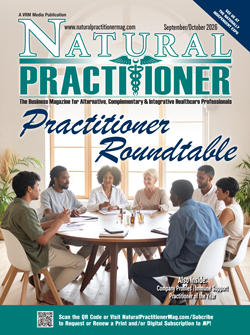
Industry Professionals
Stay Informed!
Stay informed about the latest health, nutrition, and wellness developments by signing up for a FREE subscription to Natural Practitioner magazine and digital newsletter.
Once subscribed, you will receive industry insights, product trends, and important news directly to your doorstep and inbox.