Articles by Shari Barbanel
Weil Commits $15M to Name UA Center for Integrative Medicine
Integrative medicine pioneer, best-selling author and philanthropist Dr. Andrew Weil has committed $15 million to name the Andrew Weil Center for Integrative Medicine—adding to his previous gifts totaling $5 million—ensuring the University of Arizona (UA) is the world’s nexus of integrative medicine education, research and innovation. In addition to naming the center, Dr. Weil’s commitment establishes ...
RMHC Launches Herbal Medicine Program for Clinicians
The Restorative Medicine Herbal Certification (RMHC) program is launching its charter class in May 2019. This one-year program is a combination of in-person conferences, live webinars and on-demand learning. The first in-person event is the 2019 Miami Herb Seminar on May 14-16 at the Fairchild Tropical Botanic Gardens in Florida, and on September 12-15, 2019 at the San ...
Nobel Laureate to Speak at Conference Hosted by OSU’s Linus Pauling Institute
A Nobel laureate whose discoveries have advanced treatments for heart disease and impotence will deliver a keynote public address at Oregon State University (OSU) this summer, part of the Linus Pauling Institute’s biennial conference on vitamins, minerals and natural products and their effects on human health. Registration is open to hear the presentation by Louis ...
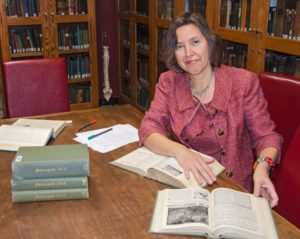
NUNM Celebrates Completion of 10-year Naturopathic Medicine Book Series
The National University of Natural Medicine (NUNM) and its NUNM Press has announced the completion of The Hevert Collection: In Their Own Words, a 12-volume anthology that presents original writings from the early literature of the founders of the naturopathic profession. The scholarly and painstaking efforts of Dr. Sussanna Czeranko, a naturopathic physician and Rare Book Room ...
People With Osteoporosis Should Avoid Spinal Poses in Yoga, Study Says
Yoga postures that flex the spine beyond its limits may raise the risk of compression fractures in people with thinning bones, according to research from Mayo Clinic. The results appear in Mayo Clinic Proceedings. Researchers at Mayo Clinic and elsewhere have described injuries from yoga. This study examines injuries in people with osteoporosis and osteopenia. Researchers ...
Junk Food Linked to Both Moderate and Severe Psychological Distress
A study has found that poor mental health is linked with poor diet quality—regardless of personal characteristics such as gender, age, education, age, marital status and income level. The study, published in the International Journal of Food Sciences and Nutrition, revealed that California adults who consumed more unhealthy food were also more likely to report symptoms ...
NutritionFacts.org Launches Free Downloadable Healthy Living Guide
Nonprofit science-based health organization NutritionFacts.org has released a free, downloadable evidence-based eating guide geared towards assisting the public as well as allied health professionals with providing comprehensive nutrition information to their patients. This all-inclusive resource is available to download for free at: www.nutritionfacts.org/healthkit. This Evidence-Based Eating Guide: A Healthy Living Resource from Dr. Greger & NutritionFacts.org is ...
Bauman College Celebrates 30 Years
Now celebrating its 30th anniversary, Bauman College (Berkeley, CA) continues to be at the forefront of the holistic health movement. It was a pioneer who championed ideas now widely accepted in the whole-foods movement, and its renowned Nutrition Consultant and Natural Chef programs are grounded in a scientific, evidence-based approach. Dr. Ed Bauman founded the school in 1989 when the American food scene was at a low point. “Processed food was the norm,” ...
OmegaQuant Launches the First Prenatal DHA Blood Test for Pregnant Women
OmegaQuant Analytics (Sioux Falls, SD), producer of the original omega-3 blood test, The Omega-3 Index, has launched its newest test—the Prenatal DHA Test. Developed to help expecting moms monitor their omega-3 DHA level, the company believes this tool will help women figure out how much of this important nutrient they need in order to support ...

American Nutriceuticals Celebrates 20th Anniversary
American Nutriceuticals (Vancouver, WA) has announced that the company is celebrating its 20th Anniversary. Founded in 1999 by the late Bill Coury, a bone cancer survivor, who researched innovative therapies and supplementations. American Nutriceuticals started as a health and integrative wellness center and for the past 10 years has been dedicated to supporting health practitioners. “It’s ...
Don't Miss Out!


Industry Professionals
Stay Informed!
Stay informed about the latest health, nutrition, and wellness developments by signing up for a FREE subscription to Natural Practitioner magazine and digital newsletter.
Once subscribed, you will receive industry insights, product trends, and important news directly to your doorstep and inbox.