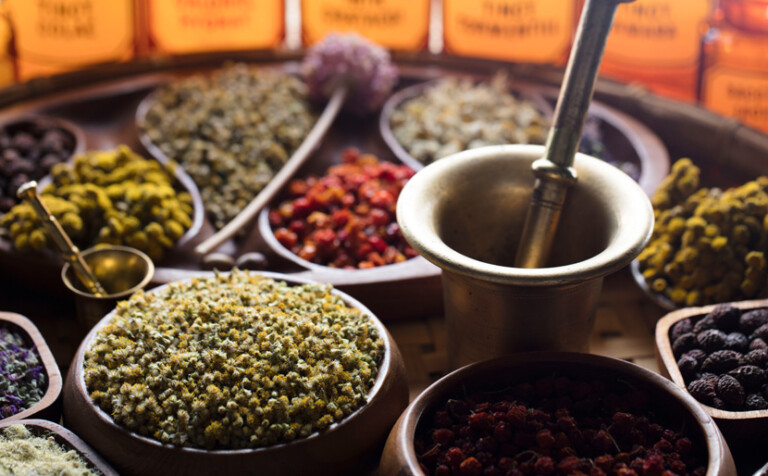
The immune system is a marvel of biological engineering, working tirelessly to defend the body against invaders such as viruses, bacteria and other pathogens. From the moment we’re born, it shields us from harm and works to restore balance whenever our defenses are breached. While modern medicine offers powerful tools to address acute and chronic immune challenges, ayurveda, the ancient Indian system of medicine, provides an additional, holistic approach that focuses on strengthening the body’s natural defenses, preventing illness before it takes root.
Ayurveda offers a time-tested methodology to enhance immune function. Central to this approach is the use of specific herbs that promote vitality, strength and resistance to illness. These botanicals, when combined synergistically, target not only the immune system but also key organs like the lungs, liver and digestive system—ensuring that the body is well-equipped to defend itself against challenges from all fronts. In ayurveda, like naturopathic medicine, we are always treating the whole person, not just one system or body part, and our herbal selection will reflect this.
In this article, we will explore several powerful ayurvedic herbs that have long been revered for their immune-supporting properties. These botanicals, traditionally used for overall wellness, are now increasingly recognized for their immune-enhancing effects, making them indispensable tools in the quest for robust health.
The Holistic Ayurvedic Approach to Immunity
Ayurveda views health as a delicate balance between the body, mind and spirit. The immune system is seen as a reflection of this balance. According to ayurveda, a strong immune system is not just about fighting off disease; it’s about creating resilience and fostering long-term vitality.
The immune system is bolstered through a combination of healthy diet, proper digestion, and the use of certain herbal formulations, all which produce the end product known as Ojas or life-giving nectar. Ayurvedic practitioners place great importance on maintaining proper digestive fire (Agni), as impaired digestion can lead to the buildup of toxins, known as Ama, instead of generating life giving Ojas which weakens immunity, vitality, and one’s mental and spiritual health. Therefore, many ayurvedic herbs not only support immune function but also aid digestion and detoxification, ensuring that the body can cleanse itself efficiently and maintain its defenses.
Key Ayurvedic Herbs for Immune Support
• Amla (Emblica officinalis syn. Phyllanthus emblica)
Amla, also known as Indian gooseberry, is a cornerstone of ayurvedic immune support. Renowned for being one of the richest natural sources of vitamin C, amla provides antioxidant protection, which is essential for a healthy immune response.1 But amla’s benefits go beyond its vitamin C content. In ayurveda, amla is considered a Rasayana, or rejuvenating herb, that nourishes all tissues and helps maintain the body’s resilience. Studies have shown that amla enhances immune function by promoting healthy white blood cell activity and supporting cellular defense mechanisms including inhibiting pro-inflammatory cytokine release, as well as translocation of NF-κB and inhibiting reactive oxidative species and nitric oxide production.2 The high concentration of antioxidants in amla helps protect against oxidative stress. By nourishing the body’s natural defenses, amla plays a vital role in both preventing illness and aiding recovery.
• Vasaka (Adhatoda vasica)
Traditionally used in ayurvedic medicine for respiratory health, vasaka is a potent herb for supporting lung function and immunity.3 It is particularly beneficial for clearing mucus and promoting healthy breathing, making it an excellent choice for supporting respiratory wellness, especially during times of seasonal changes or environmental challenges. Modern research has highlighted vasaka’s ability to promote bronchial wellness, making it a valuable tool for those looking to support their respiratory system during cold and flu seasons as well as in chronic respiratory conditions such as asthma.4 Vasaka’s pyrrolo-quinazoline compounds like vasicine have been shown to help maintain healthy mucous membranes and support the lungs in clearing out irritants.5
• Licorice (Glycyrrhiza glabra)
Licorice root is one of the most versatile herbs in all of herbal medicine and is renowned for its ability to harmonize and enhance other herbal ingredients. Known for its sweet taste and soothing properties, licorice supports both the adrenal glands and immune function. Its saponins and flavonoids have been shown to boost the body’s natural defenses while also supporting stress response, which can directly affect immune resilience. The inclusion of licorice in immune-support formulations also helps to soothe irritated tissues, particularly in the respiratory tract. This makes it a powerful herb for maintaining respiratory health, especially in individuals who are prone to seasonal irritants or environmental triggers.6
• Guduchi (Tinospora cordifolia)
Guduchi, sometimes called “heavenly elixir” in ayurveda, is an immunomodulatory herb that supports the body’s natural ability to adapt to stress and maintain immune balance. It is especially valued for its ability to stabilize mast cells, helping to manage the body’s response to allergens and environmental irritants.7 Studies on guduchi have demonstrated its ability to enhance both the innate and adaptive immune responses, making it an excellent herb for maintaining long-term immune resilience.8 Guduchi also supports detoxification pathways, aiding the liver and kidneys in their role of filtering toxins from the body, which further enhances immune strength.
• Trikatu (Long Pepper, Ginger, Black Pepper)
Trikatu is a powerful ayurvedic formulation made from three warming spices: Long pepper (known as pippali in ayurveda), ginger and black pepper. This blend is traditionally used to support digestion and enhance the bioavailability of other herbs, ensuring that the body absorbs and utilizes the nutrients and phytochemicals from herbal formulations effectively. In the context of immune health, trikatu helps to improve digestion, which is seen in ayurveda as the foundation of strong immunity. When digestion is robust, the body can efficiently process and eliminate toxins, thereby reducing the load on the immune system. Additionally, the warming properties of trikatu support circulation and aid in the respiratory system’s defense against pathogens.
• Ashwagandha (Withania somnifera)
No discussion of ayurvedic herbs would be complete without the famous ashwagandha. Although traditionally known as an adaptogen that supports stress response, ashwagandha is also a valuable herb for immune health. Its ability to modulate the stress hormone cortisol can have a profound impact on immune resilience. Chronic stress is one of the leading factors that compromise immune function, making adaptogenic herbs like ashwagandha essential for maintaining a healthy immune response. Ashwagandha works by supporting the adrenal glands and enhancing energy levels, ensuring that the body remains resilient even during times of high demand. It is particularly beneficial for those who experience fatigue or burnout, both of which can negatively impact immune health.9
• Neem (Azadirachta indica)
Neem is often called the “village pharmacy” in India due to its broad spectrum of health benefits. In ayurveda, neem is classified as a cooling and purifying herb, making it ideal for supporting immune health.10 Neem supports the body’s natural detoxification processes, helping to cleanse the blood and liver of impurities, which enhances overall immune function and may improve CD4+ T-helper cell count.11 Neem’s antifungal, antibacterial and antiviral properties make it an excellent choice for supporting the body’s defenses against a wide range of pathogens. Additionally, neem is used to support skin health, which is another important aspect of the immune system, as the skin serves as the body’s first line of defense.
• Tulsi (Ocimum sanctum)
Also known as holy basil, tulsi is revered in ayurveda for its ability to support respiratory health and enhance the immune system’s resilience. Tulsi is rich in antioxidants and supports the body’s ability to combat oxidative stress, which can weaken immune defenses. Tulsi’s adaptogenic properties make it an excellent herb for supporting the body during times of physical and emotional stress, both of which can lower immunity.12 By promoting a state of calm and balance, tulsi ensures that the immune system remains vigilant and ready to respond to challenges.
The Role of Digestion and Detoxification in Immune Health
As mentioned earlier, ayurveda places great emphasis on digestion (Agni) and detoxification (Ama) in relation to immune function. When digestion is impaired, the body is more susceptible to illness because toxins accumulate, and the immune system is compromised. Therefore, many ayurvedic herbs are chosen not only for their direct immune-boosting properties but also for their ability to support digestion and detoxification.
Herbs like trikatu and neem help clear toxins from the body while improving digestive function, ensuring that the immune system is not overburdened by waste. A well-functioning digestive system also means better nutrient absorption, which is crucial for overall immune health.
Conclusion: Strengthening Immunity, the Ayurvedic Way
In conclusion, ayurveda offers a multifaceted approach to immune health, drawing on the wisdom of ancient herbs that support not just the immune system but also the body’s key systems for digestion, detoxification and respiratory wellness. By focusing on building overall vitality and resilience, ayurveda helps the body remain balanced and capable of defending itself against a wide variety of challenges.
These herbs—amla, vasaka, guduchi, trikatu, ashwagandha, neem, licorice and tulsi—represent a holistic approach to immune support, providing powerful antioxidants, promoting detoxification, and supporting the body’s ability to handle stress. By incorporating these botanicals into our patient’s treatment plans, our patients can strengthen their defenses and maintain vibrant health year-round, aligning with the ayurvedic philosophy of prevention and long-term wellness.
References:
1 Saini, R., Sharma, N., Oladeji, O. S., Sourirajan, A., Dev, K., Zengin, G., El-Shazly, M., & Kumar, V. (2022). Traditional uses, bioactive composition, pharmacology, and toxicology of Phyllanthus emblica fruits: A comprehensive review. Journal of Ethnopharmacology, 282, 114570.
2 Jantan, I., Haque, M. A., Ilangkovan, M., & Arshad, L. (2019). An Insight Into the Modulatory Effects and Mechanisms of Action of Phyllanthus Species and Their Bioactive Metabolites on the Immune System. Frontiers in Pharmacology, 10, 878.
3 Shoaib A. (2022). A systematic ethnobotanical review of Adhatoda vasica (L.), Nees. Cellular and Molecular Biology (Noisy-le-Grand, France), 67(4), 248–263.
4 Gheware, A., Panda, L., Khanna, K., Bhatraju, N. K., Jain, V., Sagar, S., Kumar, M., Singh, V. P., Kannan, S., Subramanian, V., Mukerji, M., Agrawal, A., & Prasher, B. (2021). Adhatoda vasica rescues the hypoxia-dependent severe asthma symptoms and mitochondrial dysfunction. American Journal of Physiology. Lung Cellular and Molecular Physiology, 320(5), L757–L769.
5 Khandelwal, P., Wadhwani, B. D., Rao, R. S., Mali, D., Vyas, P., Kumar, T., & Nair, R. (2024). Exploring the pharmacological and chemical aspects of pyrrolo-quinazoline derivatives in Adhatoda vasica. Heliyon, 10(4), e25727.
6 Heidari, S., Mehri, S., & Hosseinzadeh, H. (2021). The genus Glycyrrhiza (Fabaceae family) and its active constituents as protective agents against natural or chemical toxicities. Phytotherapy Research: PTR, 35(12), 6552–6571.
7 Badar, V. A., Thawani, V. R., Wakode, P. T., Shrivastava, M. P., Gharpure, K. J., Hingorani, L. L., & Khiyani, R. M. (2005). Efficacy of Tinospora cordifolia in allergic rhinitis. Journal of Ethnopharmacology, 96(3), 445–449.
8 Yates, C. R., Bruno, E. J., & Yates, M. E. D. (2022). Tinospora cordifolia: A review of its immunomodulatory properties. Journal of Dietary Supplements, 19(2), 271–285.
9 Lopresti, A. L., Smith, S. J., Malvi, H., & Kodgule, R. (2019). An investigation into the stress-relieving and pharmacological actions of an ashwagandha (Withania somnifera) extract: A randomized, double-blind, placebo-controlled study. Medicine, 98(37), e17186.
10 Kumar, V. S., & Navaratnam, V. (2013). Neem (Azadirachta indica): prehistory to contemporary medicinal uses to humankind. Asian Pacific Journal of Tropical Biomedicine, 3(7), 505–514.
11 Mbah, A. U., Udeinya, I. J., Shu, E. N., Chijioke, C. P., Nubila, T., Udeinya, F., Muobuike, A., Mmuobieri, A., & Obioma, M. S. (2007). Fractionated neem leaf extract is safe and increases CD4+ cell levels in HIV/AIDS patients. American Journal of Therapeutics, 14(4), 369–374.
12 Sampath, S., Mahapatra, S. C., Padhi, M. M., Sharma, R., & Talwar, A. (2015). Holy basil (Ocimum sanctum Linn.) leaf extract enhances specific cognitive parameters in healthy adult volunteers: A placebo controlled study. Indian Journal of Physiology and Pharmacology, 59(1), 69–77.
Growing up near the Himalayas, Dr. Shailinder Sodhi developed an early interest in ayurvedic plants and herbs, and received his BAMS (bachelor in ayurvedic medicine and surgery) degree from Dayanand Ayurvedic College in Jalandhar, India in 1985. In 1993, he received a naturopathic medicine degree from Bastyr University, as well as a degree in diagnostic ultrasound from Bellevue College. Dr. Sodhi practices naturopathic medicine along with his wife, Dr. Anju Sodhi, and his brother, Dr. Virender Sodhi, at the Ayurvedic and Naturopathic Medical Clinic in Bellevue, WA, which he established in 1989. In addition, Dr. Sodhi serves as president of Ayush Herbs Inc., a manufacturer of high-quality ayurvedic herbal formulas, is an adjunct faculty member at Bastyr and has been published in several natural health magazines.