Natural Practitioner explores natural remedies and lifestyle approaches that can support immune health.
As cold and flu season kicks off, natural and alternative medicine patients are looking for more effective ways to keep their immune systems strong. From lifestyle modifications to natural health products, natural practitioners have several arrows in their quiver to help patients stay healthy throughout the fall and winter. Here are just some of the many ways practitioners can give their patients an immune boost this respiratory virus season.
Natural Health Products Offer Powerful Remedies
There are several different natural and alternative health products practitioners can recommend that will boost patients’ immune systems, reduce the duration of viral infections, and help alleviate symptoms.
Cheryl Myers, chief of scientific affairs and education at EuroMedica in Green Bay, WI, noted that EuroMedica recently released its branded ImunoPleruan Upper Respiratory Health line of supplements. This supplement line contains oyster mushroom pleuran Imunoglukan P4H, which has 25 years of research and 40 published studies to its name.
“While mushrooms have been part of culinary and medical traditions for generations, we’re only beginning to unravel why they work so well to strengthen the immune system,” Myers said. “Some researchers have referred to the stimulating effect that oyster mushroom pleuran has on the immune system as trained immunity. Pleuran reprograms immune cell reactions and, over time, helps build resistance.”
Myers explained that pleuran is an insoluble beta-glucan found exclusively in oyster mushrooms (Pleurotus ostreatus). As pleuran moves through the digestive system, she said, it interacts with Peyer’s patches, which are immune-influencing sites in the small intestines. Peyer’s patches are groups of follicle-like tissues connected to the lymphatic system that work as part of the immune system’s early warning network. These tissues alert and activate lymphocytes, which are white blood cells that intercept and stop bacterial and viral invaders.
“Pleuran also prevents viral infiltration and replication, and encourages healthy gut bacteria, which also boosts immune resistance to bacterial, viral and fungal infections,” Myers said. “In addition to strengthening the immune system, ImunoPleuran relieves congestion, runny nose, sore throat and other symptoms, and works quickly to shorten illness duration.”
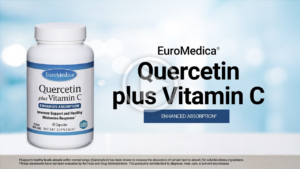
One randomized, double-blind, placebo-controlled trial involving children with recurrent upper respiratory tract infections found that Imunoglukan P4H oyster mushroom pleuran, when combined with vitamin C, reduces the number of eosinophils and moderates levels of immunoglobulin E, indicating that ImunoPleuran Upper Respiratory Health is also useful during peak allergy season.1
Kimberly Gerhard is a United States sales representative for Pharma Nord in Lawrenceville, NJ. Gerhard noted that it’s important to consider immunometabolism when prescribing products to patients. Immunometabolism, she said, is the field that explores the relationship between cellular metabolism and immune function.
“Emerging research suggests that healthy mitochondrial function is fundamental to normal immune regulation, because mitochondria provide the energy that immune cells require to perform their normal functions,” she said. “Scientists are continuing to investigate how changes in cellular metabolism may influence immune responses and overall health. This growing field reminds us that immune health isn’t simply about stimulating the immune system; it also involves supporting the metabolic health of cells that coordinate normal immune function.”
When it comes to selecting natural health products for your patients, Christophe Merville, DPharm, director of education and pharmacy development for homeopathic medicine provider Boiron USA in Newtown Square, PA, said that practitioners should look for factors that may limit immune system efficiency, rather than simply looking for ways to boost the immune system.
“Poor diet and excessive stress can contribute to inadequate levels of essential nutrients,” Dr. Merville said. “Vitamins B6, C and D, along with minerals such as zinc and magnesium, are among the many cofactors involved in normal immune activity. These nutrients should ideally be obtained through a balanced diet, with supplementation considered when dietary intake is inadequate or an individual need has been identified.”
Dr. Merville also noted that practitioners should pay attention to ingredient lists, dosages, quality standards, supporting evidence and potential for interactions when prescribing natural health products. He said that products marketed for immune support should not automatically be assumed to prevent illness, and medicines intended for symptom relief should not be described as immune support products. As such, matching the product to the patient’s needs and its labeled purpose remains central to appropriate care.
Justin Green, PhD, scientific affairs lead for EpiCor at Cargill in Minneapolis, MN, explained that for many patients, maintaining a healthy gut microbiome is an important consideration, given the relationship between the gut and the immune system. Dr. Green said that, according to a growing body of evidence, certain postbiotics can help support immune health by modulating the gut microbiome.
“I’m a big proponent of science-based products, and I would encourage practitioners to look for ingredients supported by well-designed human clinical trials,” Dr. Green said. “Delivery format matters, too. Products patients enjoy taking and can easily incorporate into their daily routines are more likely to support consistent, long-term use.”
Mega Resveratrol Founder and Chief Executive Officer Doron Efrat in Danbury, CT, said that resveratrol is a useful ingredient for promoting immune health. Efrat explained that resveratrol acts as an immune system modulator by reducing inflammation, fighting oxidative stress, and balancing white blood cell activity.
“Resveratrol influences key targets like SIRT1 pathways and inflammatory enzymes,” Efrat elaborated. “It blocks pro-inflammatory signals like COX-2, TNF-alpha and IL-6 to calm overactive immune responses. It also helps regulate T cells, macrophages and natural killer cells so they respond effectively without going into overdrive.”
Mona Rosene, MS, RD, global director of scientific and medical affairs at Niagen Bioscience in Los Angeles, CA, said that beyond individual nutrients like zinc and selenium, research is unveiling more about the importance of cellular health in immune resilience.
“NAD+ is an essential molecule involved in cellular energy production, mitochondrial function, DNA repair pathways, and healthy stress responses,” Rosene explained. “Because NAD+ levels naturally decline with age and can be impacted by everyday metabolic stressors, supporting NAD+ levels with nicotinamide riboside, the patented ingredient in Niagen, is an emerging approach for supporting overall cellular function.”
Niagen Bioscience offers Tru Niagen Immune, which combines Niagen NR with immune-supporting nutrients like vitamin D3, vitamin C, zinc, selenium and copper.
Lifestyle Approaches for Boosting Immune Health
JaLorean Hayes, MPH, BSN, RN, IFNCP, is an integrative nutrition expert and the founder of Hayes Global Health Strategies in McDonough, GA. Hayes said that lifestyle factors play a significant role in influencing immune health.
“In addition to a nutrient-dense diet, adequate sleep of at least seven to nine hours a night, regular physical activity and stress management, abstaining from smoking and limiting alcohol consumption work together to support healthy immune systems,” Hayes said. “They also help reduce the risk of chronic disease, which can negatively impact the health of the immune system.”
Hayes said that the fall and winter months demand further measures, as those are peak viral illness seasons for respiratory viruses such as influenza, RSV and COVID-19. In consideration of this, she said, practitioners should recommend that patients get adequate sleep and physical activity while simultaneously managing stress.
Gerhard added that an often-overlooked factor is social connection. “Research in psychoneuroimmunology suggests that chronic loneliness and social isolation can increase stress-related inflammation and impair antiviral immune responses. Humans are inherently social, and meaningful social interactions appear to play an important role in maintaining overall health, including immune function.”
Myers said that in the fall and winter months, people typically spend more time indoors, in recirculated air, and around more people. Chillier weather can also test patients’ resilience, and sleep patterns may differ compared to the summer months. All of these changes set up the perfect circumstances for opportunistic viruses to take hold.
“To prepare for the cold and flu season, we need to be more resistant than ever to the lure of inactivity and too much comfort food, which is often very heavy in carbohydrates,” Myers noted. “Keeping a balanced, wholesome diet is an absolute must.”
Dr. Green noted that a strong immune system starts with healthy daily habits, including good nutrition, regular physical activity, quality sleep and effective stress management. However, he said, it’s also important to recognize that immune support isn’t just something to think about during cold and flu season. Rather, healthy lifestyle habits practiced year-round provide the strongest foundation for immune resilience.
“It’s important to remember that immune resilience is built over time,” Dr. Green said. “Immune health is best supported by consistent lifestyle habits, including science-based supplements used throughout the year.”
Erin Stokes, ND, medical director of WishGarden Herbs in Louisville, CO, noted that high-quality sleep is crucial for optimal immune function. She pointed to a 2010 study that found poor sleep quality and shorter sleep duration in the weeks preceding exposure to a rhinovirus were associated with reduced resistance to illness.2
Dr. Merville, meanwhile, said the main objective shouldn’t be to boost the immune system, but rather to ensure it functions efficiently. He explained that immune-boosting products may trigger unwanted reactions, and people with autoimmune diseases may not want their immune systems stimulated further.
“How can we help keep the immune system efficient?” he said. “Start by regulating your lifestyle and avoiding excess. Regular physical activity is one of the best places to begin. Diet is also important—a Mediterranean-style diet, with plenty of vegetables, fiber, fruits and plant-based oils, moderate amounts of dairy and minimal processed foods, can provide the nutrients needed to help the immune system function at its best.”
Immune Support Category Changes Since COVID-19
The immune support category has changed drastically since the COVID-19 pandemic. Dr. Merville noted that consumer interest remains strong, although it has shifted from an emergency response toward more routine wellness. He explained that more consumers now think about immune health throughout the year rather than only during cold and flu season.
“Patients are also asking more questions about ingredients, evidence and compatibility with other medicines or supplements,” he added. “That creates an opportunity for practitioners to help them make choices that are appropriate for their individual needs rather than relying on a broad immune-support claim alone.”
Dr. Merville explained that practitioners can help their patients by distinguishing between products intended to support normal immune function versus medicines that are designed to relieve symptoms once illness begins. Homeopathic medicines, he said, are selected according to the symptoms a patient is experiencing and are intended to address a specific pattern of symptoms rather than providing general immune support.
Another major shift in the immune health category, according to Dr. Green, is the growing understanding of the gut-immune connection. He explained that around 70 percent of the body’s immune cells reside in the gastrointestinal tract, so it’s no surprise that advances in microbiome science have expanded interest in prebiotics, probiotics and postbiotics. Meanwhile, Dr. Green noted that immune health products have become more convenient, with gummies, drink mixes, stick packs and functional foods all making immune support easier to incorporate into daily routines.
“I think we’ll continue to see innovation driven by a deeper understanding of the gut microbiome and how it interacts with the immune system,” Dr. Green hypothesized. “As that science evolves, we’ll be better able to develop targeted ingredients with specific mechanisms of action and stronger clinical substantiation. We’ll also see continued innovation in delivery formats.”
Myers said the immune health category has become more sophisticated as patients learn more about immune health and hunger for even more information. She noted that patients are making a connection between products that address viruses and the conditions created by COVID-19 infections as well.
“COVID-19 has put an extremely bright light on natural products and their immune-strengthening effects,” she said. “Not surprisingly, during the height of the pandemic, we saw a surge of interest in our line of immune health supplements. Correspondingly, there was a flurry of research that revealed how many botanical, mineral and other nutrients can mitigate the effects of COVID-19 or potentially prevent the virus from gaining hold in the first place. Since then, I think patients are seeking to know more about how to bolster their immune strength to stay resilient to infections, whether it’s from COVID-19 or just an occasional cold.”
Myers anticipates that advancements in absorption, bioavailability and delivery will continue to dominate the immune support supplements category. However, she said, those products will have to be formulated with high-quality ingredients and show positive results for patients in a relatively short amount of time in order to succeed in the market. This may be a challenge for practitioners, who need to encourage patients to stick with protocols that yield their benefits over a longer term.
Gerhard predicted that the industry will move away from the idea of “boosting” the immune system and toward supporting overall immune resilience. She said that advances in immunometabolism, personalized nutrition and biomarker-guided supplementation will likely shape future recommendations.
“At the same time, I hope the industry continues emphasizing the fundamentals,” she added. “Sleep, nutrition, exercise and stress management remain the biggest contributors to long-term immune health. Supplements are designed to complement these lifestyle habits, not replace them. Prevention has always been more effective than trying to correct problems after they develop, and I believe that message will continue to gain momentum over the coming years.”
For Hayes, the coming years will render innovations in immune health that focus on personalization rather than broad claims. Hayes predicted that microbiome-targeted products and AI-driven personalization of immune support recommendations will grow.
Immune Support Demands Comprehensive Remedies
Simply boosting the immune system during cold and flu season shouldn’t be practitioners’ only goal. Rather, natural health practitioners should focus on comprehensive, year-round immune support that prioritizes efficiency rather than an all-out “boosting” effect. Dr. Merville explained that immune health is best approached as part of a broader care strategy rather than through a single product or ingredient; healthy routines, preventive care and thoughtful product selection all play a role.
The immune health space is continually evolving, with patients seeking year-round, comprehensive remedies that do more than just mask symptoms. Natural and alternative medicine practitioners can keep their patients healthy 12 months out of the year by pairing appropriate lifestyle and diet advice with proven nutraceutical and homeopathic remedies that have clinical backing. Practitioners should take a proactive approach based on prevention rather than waiting for illnesses to develop and then treating symptoms.
References:
1 Jesenak M et al. “Immunomodulatory effect of pleuran (beta-glucan from Pleurotus ostreatus) in children with recurrent respiratory tract infections.” International Immunopharmacology, vol. 15 no. 2 (February 2013): Published online ahead of print December 20, 2012.
2 Cohen S et al. “Sleep habits and susceptibility to the common cold.” Archives of Internal Medicine, vol. 169 no. 1 (January 2009): 62-67.
Healthy Take Aways
• Practitioners should think beyond boosting the immune system and focus on supporting long-term immune resilience.
• Lifestyle factors like a nutrient-dense diet, regular physical activity, quality sleep and stress management are the foundation of immune health.
• A healthy gut microbiome plays an important role in immune function.
• Encouraging patients to build healthy habits year-round is a better strategy than waiting until cold and flu season to think about immune health.
• Emerging research suggests that healthy cellular metabolism and mitochondrial function help support normal immune responses, making whole-body health an important part of immune care.
For More Information:
Boiron, www.boironusa.com
Cargill, www.cargill.com
EuroMedica, www.euromedicausa.com
Mega Resveratrol, www.megaresveratrol.net
Niagen Bioscience, www.niagenbioscience.com
Pharma Nord, www.pharmanord.com
WishGarden Herbs, www.wishgardenherbs.com
![[Sponsored Content] Pleuran from Oyster Mushrooms: Uniquely Qualified for Immune Support](https://naturalpractitionermag.com/wp-content/uploads/2025/12/oyster_mushroom_15603570_l-300x200.jpg)

![[Sponsored Video] CuraPro®: Backed by over 90 Studies](https://naturalpractitionermag.com/wp-content/uploads/2024/12/Video-2024-12-play-thumbnail2-300x169.jpg)