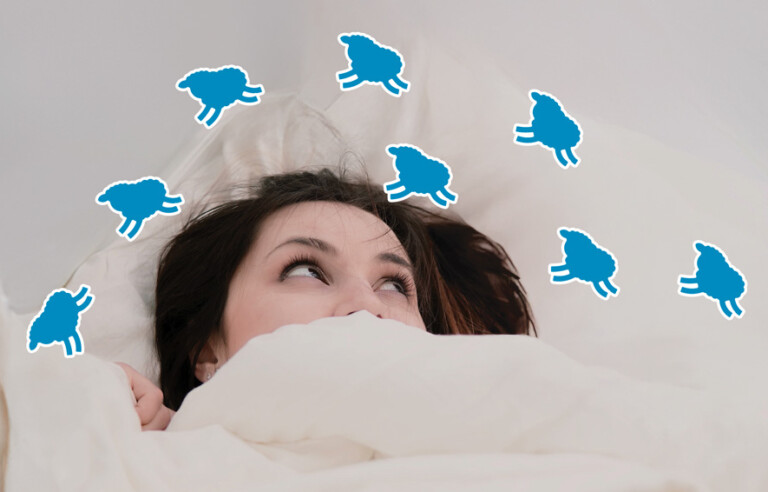
For millions, sleep is elusive, and for most it’s because they can’t relax. Here’s a two-step approach.
‘Doc, can you give me anything to help me sleep?” This is a common question you probably field every day.
The stats are somewhat alarming. “Data suggests that although Americans want to achieve healthy sleep, about one-third fail to get enough sleep on a regular basis,” said Indira Gurubhagavatula, MD, professor of medicine at the University of Pennsylvania’s Perelman School of Medicine and spokesperson for the American Academy of Sleep Medicine.
She cited several data points to illustrate how sleep-deprived Americans are. A recent survey from the American Academy of Sleep Medicine (AASM) also found a surprising paradox: 81 percent of Americans responded that they lose sleep from worrying about sleep problems. “This is no surprise as the influx in sleep tracking tech, sleep wellness products and popular social media trends have amplified the pressure to achieve ‘perfect sleep,’” she asserted.
In another AASM survey, 82 percent of American adults said that daytime sleepiness negatively impacts at least one area of their life. Specifically, 47 percent of respondents said that sleepiness reduced productivity, and 31 percent reported that their quality of work suffered due to sleepiness, with men being 13 percent more likely than women to report a decline in work performance.
“Aside from general poor sleep, sleep disorders are also common, and between 50 and 70 million Americans have a chronic sleep-wake disorder,” Dr. Gurubhagavatula explained. “Over 30 million adults in the U.S. have obstructive sleep apnea, and about 23.5 million of them are undiagnosed.”
According to Christophe Merville, DPharm, director of education and pharmacy development, Boiron, Pennsylvania, challenges to achieving healthy sleep and ability to relax have become increasingly common “due to a confluence of factors.” Most commonly, these factors are stress from demanding schedules, excessive screen time, and the lingering effects of global events have heightened anxiety levels for many.
There’s another factor that isn’t obvious, according to Slawomir Gromadzki, nutritionist, California-based HealthAid America. “Many people don’t realize that the gut-brain connection is powerful, and an imbalanced gut can contribute to feelings of anxiety and disrupted sleep,” he said. Poor sleep, low mood and anxiety can result from the gut microbiome that is impacted negatively by stress, lack of exercise and poor diet.
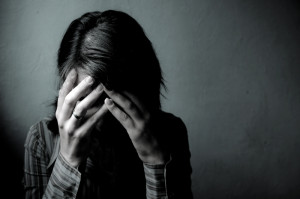
“Stress is a difficult condition because while it can make a person feel agitated and excitable, it is also exhausting,” pointed out Cheryl Myers, chief of scientific affairs and education, Wisconsin-based EuroMedica Inc. “That’s one of the reasons that anxiety and stress tends to build into a downward spiral. And, in my experience, people want two things when it comes to anxiety relief—an immediate sense of calm and confidence, and a sense that they can deal with stressful events in the future.”
Jonathan Group, DC, RD, Texas-based Global Healing agrees that the most influential factor affecting sleep quality is stress-related, which leads to higher cortisol levels. This in turn increases chronic inflammation, which increases risk of joint pain, hormone dysregulation and other issues. “Chronic disease is strongly linked to lack of sleep and the inflammation it potentiates,” he said. For example, the lymphatic system in the brain works to clear out inflammation during sleep. Insufficient sleep (i.e., less than seven hours) impairs the process which after time may lead to degenerative brain changes.
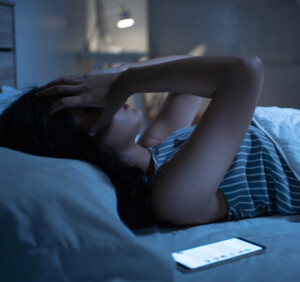
Within the past 15 years, a growing behavior pattern—cellphone use in bed, and doom-scrolling (reading emotionally provocative content)—can stall sleep onset. In addition, pointed out Jerry Angelini, MS, director of product science education, Washington-based Host Defense, other behaviors such as caffeine consumption and alcohol intake less than four hours prior to projected sleep time can conspire to keep the sandman from visiting.
Scott Sherr, COO, Troscriptions (Rehoboth Beach, DE) has a compelling viewpoint on what’s keeping sleep away: “One of the most significant factors is our culture’s obsession with being ‘on’ all the time. We live in a go-go-go society that glorifies constant productivity and multitasking, leaving little room to unwind and relax. This relentless pace prevents people from turning on their ‘off switch,’ their parasympathetic nervous system. GABA, the brain’s primary inhibitory neurotransmitter, plays a crucial role in activating this off switch. Without adequate GABA, the nervous system stays stuck in overdrive, leading to chronic stress, anxiety, sleep disturbances, depression and an inability to relax.”
Step 1: Calm
When working with patients complaining about poor sleep, reducing physical and mental tension, edginess and anxiousness prior to sleep is a sound idea. Calming supplements and techniques may set the stage for improved sleep onset and maintenance for six to eight hours.
StressCalm from Boiron, helps alleviate occasional nervous tension, irritability, hypersensitivity and fatigue due to everyday stress, according to Merville. It promotes a sense of calm and focus without causing drowsiness, “making it ideal for daytime use and allowing us to work on the cause of stress without affecting our vigilance/alertness,” he described.
Merville added single medicines such as Gelsemium sempervirens can help manage nervous anticipation causing headaches, trembling and lack of focus, while Ignatia amara is suited for overreaction to stress and emotions and characterized by localized headaches and pains.
For immediate or chronic anxiety relief, Myers related she recommends EuroMedica’s AnxioCalm. It features a clinically studied root extract of Echinacea angustifolia that contains echinacoside and has a unique alkamide profile, compounds that have beneficial effects on the endocannabinoid system for better emotional resilience and calm. “Unlike echinacea extracts that support a healthy immune response, AnxioCalm focuses on concentrating compounds that act on the endocannabinoid system in specific ways,” she said.
For example, AnxioCalm influences CB1 receptors for a feeling of calm but does not activate receptors that elicit sleepiness, changes in judgment or food cravings. While it has been shown to reduce anxiety from the first day of use, Myers noted it reduced study participants’ anxiety scores even more dramatically after a week of use. Though it has no sedative effects (unlike prescription anxiety drugs), it can promote relaxation at night for better sleep and less nervous tension. It quiets the inner noise that keeps the exhausted person on high alert, so they can listen to the body’s own natural sleep signals.
The study, published in Phytotherapy Research, including women and men with anxiety (average age, 41 years) were assessed using the State-Trait Anxiety Inventory (STAI). Participants were scheduled to use this specialized echinacea extract for one week and evaluate their anxiety before, during and after using the product. But in just three days anxiety levels were significantly lower in both state and trait categories. Plus, the effects remained stable for the duration of the clinical trial.
Another placebo-controlled clinical study found that AnxioCalm has excellent potential for individuals with more severe anxiety, Myers added. The differences between the groups were profound: in only seven days, anxiety scores lowered by 11 points in the AnxioCalm group, and only about three points in the placebo group.
“So AnxioCalm works fast at the beginning of the regimen, but results increase with continued use,” she explained. “One of the other benefits of AnxioCalm is that it can be used daily for pronounced, chronic stress and anxiety, or simply during occasions that would benefit from extra support, like hectic travel schedules, important work presentations, and the like. It provides an effective, fast-acting way to help relieve occasional anxiety and nervousness, everyday stress and excessive worry for adults and it is safe for children aged four and up to use as well.”
Another option to combat anxious feelings is Global Healing’s Certified Organic Kava Calm liquid extract which contains compounds like kavalactones that promote the production of GABA, the calming neurotransmitter, according to Dr. Group. “Kava promotes a sense of calm relaxation that slowly progresses in the evening to improved ability to fall asleep and numerous sleep studies have also shown an improvement in sleep quality.” he said. This organic liquid is produced using Global Healing’s proprietary and trademarked Microsomal process for higher absorption and utilization.
According to Sherr, Troscriptions’ patent-pending Obligate Pairing (Oblipair) Strategy combines an orthosteric ligand and a positive allosteric modulator targeting the GABA receptor. An orthosteric ligand binds to the site on the GABA receptor where GABA binds.
He elaborated that a positive allosteric modulator (PAM) binds to a separate site on the GABA receptor. When a PAM binds, it increases the affinity of endogenous ligand (GABA) or an orthosteric ligand to bind. There are many natural PAMs, including kava, CBD, CBG, honokiol, L-theanine and others. “Benzodiazepines and alcohol are also PAMs that have a very high addictive potential because they tightly they bind and deplete GABA,” he pointed out.
Troscriptions’ Tro Calm, Sherr described, is formulated for patients struggling with anxiousness, stress and a racing, active, chattery mind. Its Obligate Pairing Strategy includes Nicotinoyl-GABA, which crosses the blood-brain barrier to directly increase GABA levels. GABA itself then binds to its receptor, functioning as both an orthosteric and endogenous ligand. This is paired with kava, CBD and CBG, which act as positive allosteric modulators (PAMs). Together, these ingredients promote calmness, reduce stress and quiet an overactive mind.
Step 2: Sleep
HealthAid’s SleepProbio is a probiotic supplement formulated to support restful sleep and relaxation through a combination of strains, amino acids and calming herbs, according to Gromadzki. SleepProbio helps maintain a balanced gut microbiome, which plays a key role in mood regulation and stress management.
He explained that by encouraging a healthy gut environment, SleepProbio supports the body’s natural production of serotonin, a precursor to melatonin that helps regulate sleep cycles. It also features calming ingredients like GABA and magnesium, which promote relaxation and support the nervous system.
Another blend is Host Defense’s MycoBenefits Sleep, described by Angelini as a formula comprised of mushrooms, herbs and nutraceuticals that support sleep; “and there is a large body of research supporting the ingredients in this formula,” he commented.
Lion’s mane and reishi mushrooms have human clinical trials associated with supporting sleep latency and sleep duration. “The observations indicate that these two mushroom support approximately an additional half hour of sleep. On the surface this may not seem like much, but time wise, its equivalent to hitting the snooze button two or three times,” Angelini explained. “Just enough to catch those few crucial extra zzz’s. We have included passionflower formula due to its support for falling asleep and staying asleep. Passionflower helps with feeling drowsy and moving into the liminal space between being awake and being asleep.”
MycoBenefits Sleep also contains vitamin B6 and magnesium; both of which help relieve nerve/muscle tension that may be a factor in preventing quality sleep, especially the ability to fall asleep.
“And to round out the formula, Sleep includes the amino acids l-theanine and GABA. L-theanine and GABA are both supportive for relaxation and calm thinking. L-theanine is more fast acting, while GABA appears to be more long lasting,” he explained. “They are great paired together and human clinical research suggests they are better together than either, separately.”
Troscription’s Tro Zzz is described by Sherr as a comprehensive sleep formula for those who struggle with falling asleep, staying asleep, or achieving restful sleep. Its Obligate Pairing Strategy includes Agarin, a long-acting compound that binds directly to the same site on the GABA receptor (orthosteric ligand). This is paired with honokiol, CBD and CBN, all of which serve as positive allosteric modulators (PAMs). This formula supports the onset of sleep, helps maintain uninterrupted rest, and encourages deep, restorative sleep cycles.
“The Obligate Pairing Strategy addresses GABA receptor activity through dual mechanisms that reduce the risk of dependency and withdrawal, making it a safe and sustainable option,” Sherr explained. “Our troche delivery method ensures high bioavailability and quick absorption, providing fast relief for stress, anxiety or sleep issues.
“Tro Calm and Tro Zzz comprehensively address underlying GABAergic dysregulation which drives stress, anxiety and poor sleep,” he added.
A newer launch for EuroMedica is its Melatonin 10 mg. There are good reasons for practitioners to recommend melatonin, because there are many conditions and causes that deplete this natural substance from the body. Consultations should touch on the following factors, per Myers:
Age: Age tends to deteriorate the sleep/wake cycle disrupting circadian rhythm, which derails the natural timing of melatonin release; this is a key reason why insomnia affects up to 50 percent of people aged 60 years and older. “Additionally, some experts consider low melatonin levels to be a cause of aging, and not just an effect,” Myers commented.
Screen Time and Artificial Light: The blue light emitted by tablets, smartphones and computers reduce melatonin levels, even in young adults. A study showed that two hours of continuous screen time by 20-year-olds reduced melatonin levels by 22 percent. “There is a good case to be made for recommending no screen time at all for two hours before bedtime. That’s going to be a tough ask for some patients, but it may be necessary to help them re-establish their sleep, too,” she suggested.
Overweight/Obesity: Myers explained that carrying extra pounds may not just be caused by sedentary lifestyles but also may be caused in part by a decline in melatonin release. This can become a vicious cycle because fat stores can reduce melatonin. Research suggests that melatonin supplementation may help improve metabolic balance in overweight patients as part of a diet and exercise regimen.
Boiron’s SleepCalm assists in falling asleep and staying asleep without relying on sedatives and without any known interactions with medications or supplements, Merville pointed out. “As a hormone-free option, SleepCalm works gently with the body, offering a solution for those seeking relief from restless sleep without unwanted side effects,” he said.
For practitioners seeking more tailored solutions, Boiron also offers a variety of single medicines to address specific stress and sleep symptoms. For example, Coffea cruda is suitable for patients with racing thoughts or mental overactivity that prevent sleep, whereas Nux vomica can address sleep disruptions tied to overwork or overindulgence.
“By combining single medicines with StressCalm and SleepCalm, naturopaths can create comprehensive, flexible treatment plans that support long-term balance and wellness as well of relief for acute or intense stress-related events, Merville suggested. “These products align with a patient-centered philosophy, addressing symptoms more holistically and empowering individuals to take an active role in their well-being.”
Sleep News
The AASM continuously publishes original, peer-reviewed research on sleep disorders in its official publication, The Journal of Clinical Sleep Medicine. In 2024, Dr. Gurubhagavatula reported, some of the most notable studies looked at the health benefits of permanent standard time, and risk of long COVID among habitual short sleepers with pre-existing medical conditions, as we as the use of AI in sleep medicine.
As more research into sleep and relaxation emerges, guiding patients to the land of nod becomes easier to do. Remember, well-rested and calm people create a better world.
Healthy Take Aways
• Data suggests that although Americans want to achieve healthy sleep, about one-third fail to get enough sleep on a regular basis.
• According to a survey conducted by the AASM, 81 percent of Americans responded that they lose sleep from worrying about sleep problems.
• Between 50 and 70 million Americans have a chronic sleep-wake disorder.
• Age tends to deteriorate the sleep/wake cycle disrupting circadian rhythm, which derails the natural timing of melatonin release.
• A study showed that two hours of continuous screen time by 20-year-olds reduced melatonin levels by 22 percent.
For More Information:
Boiron USA, www.boironusa.com/hcp
EuroMedica, www.euromedicausa.com
Global Healing, www.globalhealing.com
HealthAid America, www.healthaidamerica.com
Host Defense, www.fungi.com
Troscriptions, https://troscriptions.com