In today’s rapidly evolving health care landscape, there is a growing recognition of the need to shift from a disease-centric model to one that promotes whole-person health. Marginalized professions within the complementary and integrative health (CIH) space, such as acupuncture, chiropractic care, naturopathic medicine and herbal medicine, hold significant promise in achieving this transition. Integrating these professions into mainstream health care can foster a more holistic approach emphasizing disease prevention and overall well-being.
The Value of CIH
Many gains are being made by CIH professions, such as inclusion in the VA (Veterans Affairs) for chiropractic doctors, naturopathic doctors in charge of medical homes, and acupuncture being used in the military. However, there is a long way to go, and CIH health practices have long been sidelined in favor of conventional medical treatments. The value these professions offer is in their unique perspectives and approaches that can enhance patient care. For instance, acupuncture has been shown to effectively manage chronic pain, while chiropractic care can provide relief for musculoskeletal issues. Naturopathy and herbal medicine emphasize natural and preventative measures, promoting lifestyle changes that can prevent the onset of chronic diseases.
Promoting Disease Prevention
One critical advantage of CIH professions is their focus on disease prevention. Unlike the current conventional model, which often addresses health issues only after diagnosis, CIH practitioners aim to identify and mitigate risk factors before they develop into full-blown conditions. For example, nutritional counseling and lifestyle coaching provided by naturopathic doctors can help individuals adopt healthier habits, reducing the risk of obesity, diabetes and cardiovascular diseases.
Whole Person Health
Integrating CIH into mainstream health care supports whole-person health, which considers the physical, emotional, mental and social aspects of a patient’s well-being. This approach recognizes that health is not merely the absence of disease but a state of complete physical, mental and social well-being in harmony with the body’s natural healing ability. By valuing and including CIH professions, health care providers have more avenues to address the root causes of health issues rather than merely managing symptoms, leading to more sustainable and effective outcomes.
Bridging the Gap
To bring CIH professions into the mainstream, several steps can be taken and INM (Institute for Natural Medicine) is supportive of all:
1. Education and Training: Integrate CIH education into medical and nursing school curricula to ensure that future health care professionals are knowledgeable about these practices and can collaborate effectively with CIH practitioners.
2. Research and Evidence: Invest in research to provide robust evidence supporting the efficacy of CIH treatments. This can help overcome skepticism and build trust among health care providers and patients. INM supports the formation of the RAND Research Across Complementary and Integrative Health Institutions (REACH) Center, which aims to leverage RAND’s infrastructure to support research at CIH institutions. This would address a longstanding hurdle these smaller institutions have faced for decades.
3. Interdisciplinary Collaboration: Foster collaboration between conventional health care providers and CIH practitioners. This can be achieved through multidisciplinary clinics and integrated care teams where different expertise can be leveraged for comprehensive patient care. INM has a network of 14 clinics to train ND residents. Many of these clinics are examples of multidisciplinary care. Expanding this network and scaling appropriate care models are goals.
4. Policy and Regulation: Develop policies that recognize and regulate CIH professions, ensuring high standards of practice and patient safety. This can also include insurance coverage for CIH treatments to make them more accessible to patients and allow for equitable reimbursement for practitioners. INM supports the American Association of Naturopathic Physicians (AANP) and many state associations that work to expand licensing and scope laws for NDs nationwide. We support the generation of safety and cost efficacy data to underscore and validate the “ROI” for CIH professions. INM and a partner academic institution are developing a novel approach for collecting and reporting primary care CIH outcome data. Stay tuned!
Conclusion
Incorporating marginalized professions from the complementary and integrative health space into mainstream health care can revolutionize the way we approach health and wellness. By focusing on whole-person health and disease prevention, we can create a more holistic, effective and sustainable health care system that benefits everyone. Embracing the strengths of CIH professions alongside conventional medicine will not only improve patient outcomes but also foster a more inclusive and comprehensive approach to health care. INM is all in to help make this vision a reality.
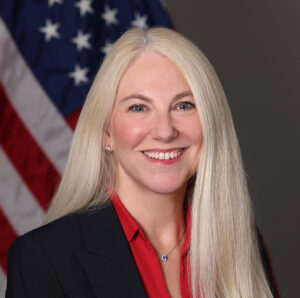
Michelle Simon, PhD, ND President & CEO, Institute for Natural Medicine
In 1992, the leadership core of naturopathic doctors established the Institute for Natural Medicine (INM) as a not for profit organization dedicated to advancing natural medicine. The purpose of the INM is to increase awareness of, broaden public access to, and encourage research about natural medicine and therapies. Among its milestones the INM counts the launch of the Association of Accredited Naturopathic Medical Colleges (AANMC) as an independent organization, leading California’s efforts to obtain licensure, developing an interactive childhood education program focused on healthy eating and lifestyles called Naturally Well in 2017, and expanding residency access by establishing and funding a residency program in 2018. INM has joined forces with the American Association of Naturopathic Physicians (AANP), serving as the charitable arm, to deepen access to naturopathic care, public education and research. Dr. Michelle Simon serves as president and CEO of INM, is a licensed naturopathic physician, clinician, educator and leader in many organizations dedicated to improving the quality and delivery of health care. In addition to holding a naturopathic doctorate from Bastyr University, she also holds a PhD in Biomedical Engineering from the University of North Carolina at Chapel Hill. Dr. Simon has served on the boards for the Integrative Healthcare Policy Consortium (IHPC), the AANP and the Naturopathic Physicians Research Institute (NPRI). Dr. Simon also served nine years on the Washington State Health Technology Clinical Committee which is part of the Health Technology Assessment program that examines the scientific evidentiary basis for efficacy, safety and cost effectiveness of health care technologies. She was also an invited participant for health care economics at “Summit on Integrative Medicine and the Health of the Public” at the Institute for Medicine (IOM) in 2009. Dr. Simon was recognized as the 2018 Physician of the Year by the AANP. Twitter: #inaturemed Facebook: @INMWeAreNaturalMedicine