Natural solutions to manage the cascading effects of stress and anxiety.
The 2025 Stress in America report1 from the American Psychological Association (APA) indicates several significant stressors: future of the nation (76 percent), the economy (75 percent), work among employed adults (69 percent), misinformation (69 percent), housing costs (65 percent), societal divisiveness (62 percent), emerging AI (57 percent), and relationships (48 percent).
“Many times, anxiety and stress can present as nonspecific somatic symptoms, rather than mental health complaints, especially in a primary care setting,” said Pam Conboy, health care practitioner support & education at Omni-Biotic Brands (Port Chester, NY), and founder and CEO of Setas Botanicals (Reno, NV).
Dr. Khoshal Latifzai, board-certified emergency medicine physician, founder and medical director of Rocky Mountain Regenerative Medicine in Boulder, CO, said stress and anxiety can present very differently from one person to another.
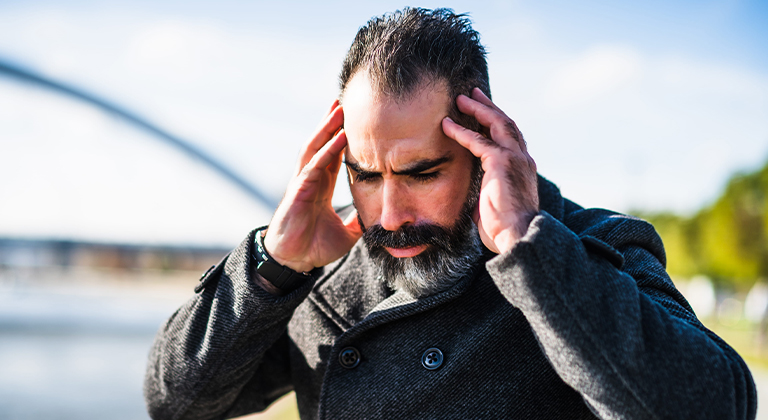
He noted that common symptoms include difficulty falling or staying asleep, racing thoughts, irritability, poor concentration, fatigue, muscle tension, headaches, changes in appetite, gastrointestinal symptoms and sometimes a racing or pounding heart.
The causes are often multifactorial, he added. Psychological stress is one component, but inadequate sleep, excessive work demands, family stress, illness, pain, hormonal changes, alcohol, excessive caffeine, overtraining, metabolic dysfunction and certain medications are also factors.
“One of the most important things I have learned clinically is not to assume that every person experiencing stress or anxiety has the same underlying problem. The better question is often, ‘What is driving this response in this particular person?’” Dr. Latifzai said.
Taron Fletcher, BSc, associate director of research at Canada-based Hardy Nutritionals, said that stress and anxiety can present across psychological, neurocognitive and somatic domains.
Industry research shows 54 percent of consumers with mental wellness concerns reported difficulty concentrating, decision-making deficits or memory disruption. Fifty-one percent suffer from chronic sleep disturbances and insomnia.
“Psychosocial and environmental drivers remain substantial, with national survey data showing financial strain (60 percent), family/health-related stress (53 percent), and occupational pressure (51 percent) topping consumer concerns,” Fletcher said. “Biologically, stress resilience is severely compromised by sub-optimal dietary intake, micronutrient depletion, gut dysbiosis and underlying central nervous system (CNS) bioenergetic deficits.”
Stress and Anxiety
Christophe Merville, DPharm, director of education and pharmacy development at Pennsylvania-based Boiron USA noted that it is important to distinguish everyday stress from anxiety. He said stress is a useful reaction in front of everyday circumstances. It allows us to adapt, and we have to learn to use it to our advantage, develop resilience and keep focused.
“Anxiety is different from the temporary stress most people experience. It occurs when the feeling of urgency to fight or flight is associated with the feeling (real or presumed) of being powerless. We feel trapped in a situation and anxiety surges,” Dr. Merville explained. “This is because anxiety, especially prolonged, has a negative impact on our bodies and mental states. Anyone experiencing it and developing coping behaviors, such as avoidance, compulsion or symptoms that affect normal activities, should consult a qualified health care or mental health professional. Because anxiety may require professional care, it falls outside the scope of homeopathic self-care for occasional stress.”
Caroline Farquhar, RHN, EMP, BA, medical advisor at CanPrev Natural Health Products (Toronto, ON, Canada) said sometimes people don’t recognize that what they’re experiencing is related to stress. The causes are equally varied, and even positive changes can be stressful because the body has to adapt.
“It’s also important to remember that some stress is normal. Our stress response is designed to help us respond to a challenge and then return to baseline. The concern is when stress becomes persistent and the body doesn’t get enough opportunity to recover,” she said.
Gina Rivers, national science educator at Host Defense Mushrooms (Olympia, WA), said from a clinical herbalist’s perspective, it is important to recognize that stress is a whole-body response so its effects can show up in various forms.
Some people experience a sense of being simultaneously tired and overstimulated—what clients describe as “wired but tired.” Stress and anxious feelings share many of these same features, but persistent or excessive anxiety that interferes with daily life should be evaluated by a health professional.
“I also think it is helpful to remember that stress itself is not inherently negative. The acute stress response is an adaptive system designed to help us meet a challenge,” Rivers said. “The problem is often not that the system turns on—it is that modern life may not give it enough opportunity to turn back off. When stress becomes frequent or prolonged and adequate recovery is missing, we begin to see its effects ripple into other areas of health and well-being.”
Suresh Lakshmikanthan, PhD, BPharm, chief business officer at India-based Natural Remedies, said stress is usually a mix of work pressure, financial strain, caregiving and the fact that “none of us put our phones down anymore.” Underneath everything is a straightforward mechanism—the HPA axis releases cortisol through a chain reaction, which is not supposed to run all day, every day.
“This is where sleep comes in, and it is the part most people miss. Cortisol should peak in the morning and drop at night. When it does not drop, deep sleep does not happen properly, and a bad night makes the next day’s stress hit harder,” he said. “That is the loop. I have seen it play out the same way across countless conversations with practitioners: patients cannot break it on their own because it is not a willpower problem, it is a biochemistry problem.”
The “Cascade Effect”
According to Dr. Latifzai, sleep is not confined in the brain and affects multiple interconnected systems throughout the body. He explained that when stress response is activated repeatedly, it can influence the autonomic nervous system, cortisol signaling, blood pressure, glucose regulation, appetite, immune function and sleep.
“A person under significant stress may have difficulty sleeping. The resulting sleep deprivation can then make emotional regulation, concentration, appetite control, exercise recovery and resilience to stress more difficult the following day,” Dr. Latizfai said. “Over time, that can become a cycle. Rather than focusing only on lowering cortisol, I prefer to understand what is keeping the stress response activated and address the contributing factors individually.”
According to Dr. Merville, non-productive stress rarely affects just one part of our lives. For example, nervous tension can make it harder to sleep. After a poor night’s sleep, a person may feel tired, irritable and less able to concentrate. That can make ordinary responsibilities feel more difficult, creating even more stress the following day.
“We may also skip exercise, make different food choices, or decrease the activities that help us feel balanced. Before long, one unaddressed stressful situation has begun to influence several aspects of our physical and emotional well-being. Recognizing and addressing occasional stress early can help interrupt that cycle,” he explained.
Jessica Maloh, ND, naturopathic advisor at California-based Codex Labs, said from an integrative perspective, mental and physical health are closely interconnected. Chronic stress can influence the mind, hormones, immune system and can affect aspects of health such as sleep and digestion.
“We also see this connection through the brain-skin axis. Stress and skin health can have a bidirectional relationship, with research exploring connections in conditions like acne, eczema and some forms of hair loss. This doesn’t mean that stress is the one root cause, but it can be a contributing factor,” Dr. Maloh said.
Dr. Lakshmikanthan said chronic HPA axis activation shows up as brain fog and a low, constant hum of anxiety. It also raises resting heart rate and blood pressure and dulls the immune system’s ability to keep inflammation in check.
“Cortisol shifts blood sugar and appetite too, so weight gain around the middle, tight shoulders, slow recovery after a workout, all of it traces back to the same source,” he explained. “Patients rarely connect an afternoon energy crash to a stressful morning three days earlier. The body remembers, even when the person doesn’t. None of these systems are misbehaving. They are doing exactly what they are built to do under sustained pressure. Which is the useful part: calm the nervous system, and the rest tends to follow.”
Rivers said the body’s regulatory systems communicate with every part or the body, prolonged stress can influence various aspects of health and well-being. The effects also do not necessarily occur independently—they can begin to reinforce one another.
For example, stress may interfere with restful sleep. Poor sleep can then leave us less resilient to the next day’s stressors, making it more difficult to concentrate, regulate mood and make supportive lifestyle choices can also influence digestive function and communication along the gut-brain axis, while changes in eating patterns, physical activity and other health behaviors can add another layer to the picture.
“This is where I think the idea of ‘stress load’ is particularly useful. As herbalists, we often look beyond one isolated symptom and ask what is contributing to the total load on the individual and, equally important, where opportunities for restoration may be missing,” Rivers said. “The goal is not necessarily to eliminate stress. That would be neither realistic nor desirable. Rather, we want to support resilience—the ability to respond appropriately to a challenge and then return toward a more balanced state once that challenge has passed.”
According to Fletcher, stress triggers a multi-systemic cascade spanning metabolic, endocrine and neurological pathways.
Under acute or chronic stress, the body’s metabolic rate accelerates, consuming micronutrients at an elevated rate. Essential vitamins and minerals serve as mandatory enzymatic cofactors in mitochondrial ATP generation and neurotransmitter synthesis. The central nervous system consumers around 20 percent of resting metabolic energy despite accounting for just 2 percent of body weight—the brain is very sensitive to energy availability.
“When stress depletes these vital micronutrient cofactors, a mitochondrial energy bottleneck ensues. Reduced mitochondrial ATP production compromises neuronal signaling, synaptic plasticity and mood regulation,” Fletcher explained. “Simultaneously, stress activates pro-inflammatory immune cascades—evidenced by elevated interleukin-6 (IL-6) levels that correlate directly with anxiety and depression severity—and disrupts gut microbiome equilibrium via the gut-brain axis. This physiological energy deficit feeds back into the central nervous system, establishing a self-reinforcing loop of heightened systemic irritability, executive dysfunction and chronic anxiety.”
Natural Products and Remedies
According to Dr. Maloh, there are ingredients that are studied for their potential effects on stress and anxiety relief. L-theanine has some evidence suggesting it may help with stress, sleep and cognition. Holy basil, an adaptogenic herb, may be helpful for decreasing stress and anxiety.
Codex’s SHAANT Skin De-Stress supplement is designed for acne-prone skin and includes L-theanine and holy basil along with myoinositol and barberry. It was found to reduce acne lesions by 61 percent in eight weeks of use in those with mild to moderate acne.
“Working in the realm of integrative dermatology and understanding that there can be a bidirectional relationship between skin conditions and stress, I’m excited about skin-focused products that incorporate ingredients that address the role of psychological stress,” Dr. Maloh said.
For patients looking for a drug-free, sleep support option, Dr. Latizfai recommended Natrol’s Ultra Sleep, which combines melatonin, GABA and botanical ingredients as a tool within a broader sleep strategy. He stated, “I view supplements as exactly that: tools. They work best when they complement good sleep habits and an understanding of the underlying reason sleep has become disrupted.”
Omni-Biotic’s Stress Release is a clinically studied, gut-brain-targeted psychobiotic for mood and mind. The combination of probiotic strains works to optimize the intestinal barrier, HPA axis, neurotransmitter balance and immune response. Setas’ Harmony was formulated to support mood balance and healthier stress response. It contains ingredients including functional mushrooms, ashwagandha, linden and L-theanine. Instead of masking symptoms, it supports the symptoms that regulate calm.
CanPrev’s Magnesium Stress Relief is a comprehensive formula designed to support the body and mind during times of stress. It helps reduce occasional stress and fatigue while supporting overall reduction in stress and anxiety.
The formula contains Sensoril, a patented form of ashwagandha extract that has been clinically shown to help with occasional fatigue, stress and tension. It combines magnesium with vitamins B5, B6 and C to provide additional nutritional support during stress.
“I particularly like this multi-faceted approach because stress rarely affects just one aspect of our health. It can influence our energy, concentration, mood and sleep, so supporting several of these areas at the same time can be very helpful as part of a broader stress-management strategy,” Farquhar said.
Hardy has several stress and anxiety relief products including its flagship Daily Essential Nutrients (DEN), Optimal Balance and Microbiome & Botanical Supports.
In an eight-week, randomized, placebo-controlled trial of 100 adults, 250 mg a day of Natural Remedies’ Holixer brought Perceived Stress Scale scores down 37 percent and long-term cortisol down 66 percent versus placebo.
“A separate polysomnography study, so real sleep-lab data, not a questionnaire, found that people fell asleep 60 percent faster, slept 50 percent better by validated measures, and had 95 percent fewer nighttime disturbances,” Dr. Lakshmikanthan said. “Good numbers. I would still tell any practitioner reading this to pull the original papers before quoting them to a patient. Check the sample size, the statistics, the design. I would rather someone verify this and trust it than simply take my word for it.”
Boiron’s StressCalm is an over-the-counter homeopathic medicine formulated to relieve occasional nervous tension, irritability, hypersensitivity and fatigue due to everyday stress.
“One of its benefits is that it is non-drowsy, so it helps calm the mind and body without affecting alertness. This makes it a practical option for stressful daytime situations, such as public speaking, taking a test, flying or starting a new job. It can also be used during a temporary stressful period, such as moving or planning a wedding,” Dr. Merville said.
MycoBotanicals Stress Decompress from Host Defense combines two functional mushrooms with three complementary botanicals. Reishi has a long history of traditional use and is included to support a calm mind and manage occasional stress. Lion’s mane supports a clam and balanced mood. The mushrooms are combined with American skullcap, a nervine for mental relaxation, lemon balm for peaceful emotional state, and ashwagandha to promote healthy stress response.*
“As an herbalist, I particularly appreciate the way these ingredients complement one another. Skullcap and lemon balm provide the more calming, relaxing side of the formulation, while ashwagandha offers adaptogenic support,” Rivers explained. “Reishi and lion’s mane broaden that approach through their respective support for a calm mind and balanced mood. Rather than asking every ingredient to do the same thing, the formulation provides several different avenues of support for someone navigating the ordinary stresses of everyday life.*”
Holistic Health
Dr. Latizfai recommended maintaining a reasonably consistent sleep and wake schedule, getting natural light early in the day, exercising regularly, reducing excessive evening light exposure, being thoughtful on caffeine intake and limiting alcohol close to bedtime.
“I also try to identify why someone is sleeping poorly. Sleep apnea, pain, hormonal changes, restless legs, stress, medication effects and other medical issues can all interfere with restorative sleep, and the appropriate solution depends on the cause. Supplements can also be useful when they are chosen thoughtfully,” he said.
Farquhar said she likes to start with the foundations because stress management isn’t just about one supplement, food or technique. It’s about giving the nervous system opportunities to shift out of the constant “go” state.
She added that nutrition is one of the most important pieces. A whole-food diet that includes adequate protein, healthy fats, complex carbohydrates and magnesium-rich foods such as leafy greens, nuts, seeds, legumes and whole grains provides nutrients the body needs to support normal energy production and nervous system function.
“And perhaps most importantly, make stress management realistic. You don’t necessarily need an hour of meditation every day. A 10-minute walk, five minutes of breathing, getting to bed a little earlier or simply taking regular breaks throughout the day can add up,” Farquhar said.
Dr. Maloh recommended prioritizing sleep, regular physical activity, time outdoors and meaningful connections with family, friends and community.
“One practice I particularly like is an ‘awe walk’ done once a week for 15 minutes. During this walk, you intentionally bring your attention to things that evoke wonder—whether a beautiful tree, colorful leaves, the sun setting, or something new in your surroundings. Research suggesting that cultivating awe through this practice may increase positive emotions and decrease stress,” Dr. Maloh explained.
Rivers said herbalism can add another layer of individualized support. Traditionally, herbalists used nervines to support relaxation and a calm nervous system, and adaptogens were used to support resilience and the body’s ability to adapt to occasional stress. Functional mushrooms can also be incorporated into this broader approach.
“Ultimately, holistic stress support is less about adding one more thing to someone’s routine and more about creating opportunities for recovery. Sometimes the most valuable intervention is not another supplement or wellness practice—it is identifying what can be removed, simplified or changed so the body has the space and resources it needs to restore balance,” Rivers said.
“Each individual will resonate with various tools differently, as such, I tend to recommend easy, inexpensive approaches to increase awareness and address stress reduction first, with additional practices, techniques and supplements to be added to support physiological needs,” Conboy said.
Integrative and Alternative Health Strategies
Dr. Latizfai said he likes to treat sleep as an important physiologic variable rather than simply asking someone whether they’re tired. He said if the fundamentals are in place and someone still does not feel restored, he starts looking deeper.
“For some patients, behavioral changes make the biggest difference. For others, targeted supplementation can be useful. And in appropriately selected women going through perimenopause or menopause, hormone replacement therapy can sometimes dramatically improve sleep when hormonal symptoms are contributing to the problem,” he explained. “The goal is not simply to make someone sleepy. It is to understand why they are not sleeping well and address the cause whenever possible.”
Dr. Maloh said interdisciplinary collaboration is incredibly important, “Integrative providers can work alongside dermatologists, primary care physicians, mental health professionals, dietitians and other health care professionals to address the different factors that may influence a patient’s health, stress levels and anxiety,” she said. “Where appropriate, this can allow for the optimization of treatment plans by bringing together conventional and integrative approaches to care.”
“Integrative practitioners are in a wonderful position to look at the whole person in their environment. Sleep, nutrition, physical activity, workload, relationships, health history and current life circumstances can all influence how someone experiences stress,” Dr. Merville added. “Practitioners can help patients identify triggers, discover their effective ways to manage stress, create realistic self-care routines and select appropriate complementary approaches while monitoring how they respond.”
In her clinical herbal practice, Rivers prioritizes “pattern before product.” She focuses on what is contributing to a client’s stress load, how that stress is presenting and what might be interfering with their ability to recover.
“That means asking about much more than whether someone feels stressed,” Rivers explained.
“How are they sleeping? Are they waking rested? What does their energy look like throughout the day? How much caffeine are they using to compensate for fatigue? Are they eating regularly and getting adequate nourishment? What is happening with digestion, movement, workload, relationships and opportunities for genuine downtime? Sometimes what initially looks like a need for more stress support reveals a much more fundamental need for sleep, nourishment, boundaries or recovery.”
Farquhar said one of the strengths of an integrative approach is that practitioners can look beyond the symptoms and ask what may be contributing to a person’s overall stress load.
“I would start with a thorough assessment of sleep, nutrition, movement, workload, relationships, caffeine and alcohol intake, digestive health and the patient’s opportunities for rest and recovery. It can also be helpful to identify nutritional gaps and consider whether further assessment or testing is appropriate based on the individual’s symptoms and health history,” Farquhar said. “From there, the goal is to create an individualized plan that is realistic. That may include improving sleep hygiene, increasing daily movement, incorporating mindfulness or breathing exercises, optimizing nutrition and considering targeted supplementation when appropriate.”
*These statements have not been evaluated by the Food and Drug Administration. This product is not intended to diagnose, treat, cure or prevent any disease.
Reference:
1 www.apa.org/pubs/reports/stress-in-america/2025/full-report.pdf.
Healthy Take Aways
• Stress is often multifactorial, creating a “cascade effect” across multiple other interconnected systems in the body.
• Stress and anxiety can present across psychological, neurocognitive and somatic domains.
• Common stress symptoms include difficulty falling or staying asleep, racing thoughts, irritability, poor concentration, fatigue, muscle tension, headaches, changes in appetite, gastrointestinal symptoms and sometimes a racing or pounding heart.
• A report from the APA indicates significant stressors include the future of the nation, economy, work, misinformation, housing costs, societal divisiveness, AI and relationships.
• Industry research shows 54 percent of consumers reported difficulty concentrating, decision-making deficits or memory disruption. Fifty-one percent suffer from sleep disturbances and insomnia.
For More Information:
Boiron USA, www.boironusa.com
Brain-Body Therapy, www.brain-bodytherapy.com
CanPrev Natural Health Products, www.canprev.ca
Codex Labs, www.codexlabs.com
Hardy Nutritionals, www.hardynutritionals.com
Host Defense Mushrooms, www.hostdefense.com
Natural Remedies, www.naturalremedieshumanhealth.com
Omni-Biotic Brands, www.omnibioticlife.com
Setas Botanicals, www.setasbotanicals.com