Trends, ingredients and research to support better cardiovascular health.
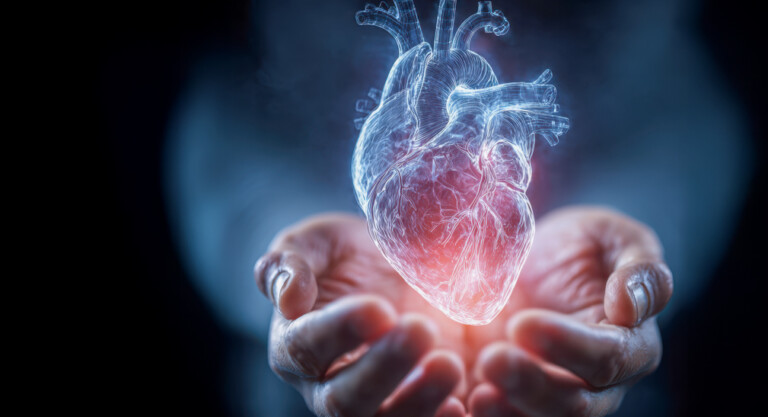
“She has a heart of gold,” “His heart is set on it,” and “She knew it by heart” are just a few of the common “heart” phrases used to describe one’s state of mind, feelings or abilities. Most people consider the metaphorical when hearing the word heart. In reality, this complex organ does no thinking whatsoever. Instead, it plays an essential role in the cardiovascular system, which affects the entire body.
Supporting a healthy cardiovascular system is key to good health. If the cardiovascular system isn’t working properly, issues such as strokes, heart attacks and heart failure can occur. The capillaries, veins, arteries and the heart are all important parts of the cardiovascular system. Keeping things working well and in good condition is a concern of many individuals and natural health practitioners as well.
Which holistic tools and lifestyle techniques best support a healthy cardiovascular system? Which natural health products and ingredients are most effective in this area? And what do natural health practitioners need to know now about cardiovascular support?
Heart Healthy: Holistic Tools & Lifestyle Strategies for Cardiovascular Support
“Holistic cardiovascular support essentially focuses on lowering cardiometabolic stress, improving endothelial function, and enhancing autonomic balance,” said Dr. Nicole Avena, scientist, consultant, speaker and author, located in New Jersey, explained more about the holistic approach to heart health. “The strongest lifestyle lever remains consistent aerobic activity—150 to 300 minutes per week—which improves VO₂ max, reduces blood pressure, enhances insulin sensitivity, and correlates with dramatically lower long-term cardiovascular mortality,” she said.
Additionally, resistance training two or three times each week improves metabolic flexibility, said Dr. Avena, as well as vascular health. “Nutrition patterns that emphasize whole foods, high polyphenol intake and unsaturated fats—such as Mediterranean-style eating—are associated with reduced atherosclerotic progression and lower event rates,” she noted. “Daily stress-regulation practices like breathwork and meditation can help shift individuals toward parasympathetic dominance, reducing blood pressure and improving endothelial reactivity,” Dr. Avena continued. Quality sleep—between seven to nine hours a night for adults is equally critical, she said, as poor sleep increases sympathetic tone, inflammation and glucose dysregulation, all of which accelerate cardiovascular risk.
“Finally, strategic supplementation—such as omega-3s, magnesium or coenzyme Q10—can support overall vascular and mitochondrial function when aligned with individual needs,” said Dr. Avena. “These holistic practices work synergistically, creating a biochemical environment that protects the heart and vascular system from aging, stress and metabolic fluctuations.”
Dr. Heather Shenkman, who works with California-based 1MD Nutrition stated, “Cardiovascular health isn’t about quick fixes—it’s about consistency, lifestyle alignment and choosing supplements that reinforce what your body is already trying to do.” She said that she appreciates products like CardioFitMD because they bring together ingredients like nitrates, fiber, probiotics and foundational nutrients into a single approachable daily routine. “My biggest message to consumers and practitioners alike: support the heart from every angle, keep things simple, and choose formulations rooted in science and practicality,” said Dr. Shenkman.
Emily Lesiak is director of retail sales at Wise Woman Herbals, a natural product manufacturer in Oregon. Lesiak noted that in the herbal realm, there is a consistent trend towards time-honored heart allies, such as hawthorn (Crataegus spp.), linden (Tilia spp.), and motherwort (Leonurus cardiaca). These, she stated, “are being embraced for their gentle yet profound ability to support circulation, reduce tension, and open the heart space.*
“What is especially encouraging is the growing awareness that cardiovascular health is deeply intertwined with how we process stress and maintain internal rhythm,” said Lesiak. “People are realizing that heart health isn’t just about charts and numbers, but also about how we live, how we feel, and how we recover from the pressures of modern life.”
New Trends: Cardiovascular Support
David G. Rizik, MD, MSCAI, a co-founder of High Level Science (Nevada) explained that when it comes to trends, the company has noted one in particular gaining ground. “One big trend is the personalized approach to cardiovascular supplementation—using genetics and biomarkers to tailor support,” he noted. “There’s also interest in plant-derived compounds like bergamot, aged garlic extract and palm fruit bioactives for cholesterol management, as well as the use of postbiotics and targeted probiotic strains for vascular health.”
“At 1MD Nutrition, three trends stand out,” said Dr. Shenkman. These are whole-food-inspired cardiovascular formulas, the gut-heart connection and comprehensive, practical daily routines. When it comes to the first, she noted, “Consumers increasingly want ingredients that reflect the benefits of plant-based dietary patterns—nitrate-rich vegetables, fiber and polyphenols—rather than isolated compounds alone.” Additionally, Dr. Shenkman explained that there is growing research that heart health may start in the gut. “The microbiome influences cholesterol, blood pressure, inflammation, weight and glucose control,” she said. “Products that combine fiber, prebiotics, and targeted probiotics alongside cardiovascular nutrients are gaining traction for good reason.” Lastly, Dr. Shenkman explained that simplicity is the name of the game when it comes to daily routines promoting natural health. “People want powerful support without taking five or six different supplements,” she said.
Dr. Avena noted that in the past decade, cardiovascular-support research has undergone a shift. While the focus used to be on narrow lipid and blood pressure targets, it’s moved toward multi-axis strategies that combine metabolic, lipid and inflammatory interventions along with digital monitoring.1 “Another major trend is the emergence of incretin-based therapies—GLP-1 receptor agonists,” she said. “Large outcome trials and meta-analyses show GLP-1 Ras—liraglutide, dulaglutide and others—reduce major adverse cardiovascular events and also appear to give renal benefit, shifting their role from pure glycemic control toward broader cardiometabolic protection.2
“On the lipid front, targeted therapies continue to produce meaningful event reductions—e.g., icosapent ethyl (pure EPA) produced about a 25 percent relative reduction in major ischemic events in the REDUCE-IT trial,” continued Dr. Avena. “PCSK9 inhibition (evolocumab) has proven that driving LDL very low yields incremental reductions in atherosclerotic events.”3
At Wise Woman Herbals, Lesiak said that one of the most meaningful trends the company is seeing is the growing return to whole-plant, multi-system support formulas that honor the body as a connected system. “People are shifting from just targeting symptoms but nurturing the whole terrain,” she noted. “We’re especially excited about blends that bring together heart tonics, nervines and adaptogens to support not only cardiovascular function, but also emotional resilience, nervous system regulation and digestive balance. It’s a shift away from the quick fix mentality and instead a growing respect for the kind of slow, deep nourishment that herbal supplements can offer.”
Cheryl Myers, chief of scientific affairs and education for Wisconsin-based EuroMedica, Inc. stated that she’s “cautiously hopeful” that more people are becoming interested in natural health solutions for cardiovascular concerns. “There appears to be a growing understanding that there are clinically studied ingredients that can address blood pressure, cholesterol imbalance, triglycerides and other aspects of heart health,” Myers said. “However, the need for guidance from practitioners to their patients is still very much in high demand. I would love to see a future where cardiovascular-related concerns are addressed with nutrients and lifestyle first—well before turning to prescription drugs.”
Important Ingredients for Promoting Cardiovascular Health
Conor Watters, ND, MSAS, PATP, sales and marketing at Ayush Herbs Inc., a manufacturer in Washington, mentioned the following ingredients as important when it comes to cardiovascular support. “Right now, the cardiovascular support market is dominated by a few major categories of ingredients,” said Dr. Watters. “Coenzyme Q10 remains a staple, especially in the context of heart failure and statin use. Methylated B vitamins and methylation co-factors are widely used for homocysteine and vascular support,” he said. Meanwhile, he noted that cardio-supportive botanicals like hawthorn are still very popular. Omega-3 fish oils remain a cornerstone for triglyceride and general cardiovascular support, he stated. “We’re also seeing more formulas that combine these with magnesium, vitamin D and vitamin K2 to target endothelial function, arterial stiffness and overall cardiometabolic health, rather than just focusing on cholesterol in isolation,” said Dr. Watters.
When asked if there was a single ingredient that he found most helpful in the cardiovascular support space, Dr. Watters said that it was hard to pinpoint just one. Still, he believes that one of the most fascinating and underappreciated ingredients is Convolvulus (Shankhpushpi). “Convolvulus supports the heart-mind axis,” said Dr. Watters. “It appears to modulate stress physiology by supporting a healthier response to adrenaline and cortisol and by promoting calmer nervous system tone. From an ayurvedic lens, this speaks directly to the emotional and cognitive load on the heart. In a world where cardiovascular disease is tightly tied to chronic stress, sleep disruption and autonomic dysregulation, we’re very interested in botanicals like Convolvulus that can indirectly reduce stress on the heart by improving the way the nervous system processes pressure, fear and emotional strain.”
Additionally, Dr. Watters stated that Ayush Herbs Inc. is excited about multi-system, cardiometabolic approaches rather than single-target “cholesterol” products. “Guggul remains an important traditional lipid-support herb, and we’re watching the ongoing work around how standardized extracts can support healthy lipid profiles when used thoughtfully and monitored properly,” he said. “Omega-3s continue to be central for cardiovascular and nervous system support, particularly higher-purity EPA (eicosapentaenoic acid) formulations for patients who need more focused triglyceride and vascular support.
“We’re also very interested in curcumin for its role in healthy inflammatory balance and endothelial function, and gymnema for supporting healthy blood sugar regulation,” Dr. Watters noted. “When you look at guggul for lipids, omega-3s for vascular and autonomic support, curcumin for vascular inflammation, and gymnema for glycemic balance, you’re really talking about a network-based way of supporting cardiovascular health instead of chasing one biomarker at a time.”
Myers stated that omega-3s continue to be one of the most popular nutrients in the cardiovascular category. Unfortunately, she said, it’s also one that is surrounded by confusion. Which form is most effective and what dosage might best promote good cardiovascular function? These are questions that Myers said surround omega-3s. She pointed out that the company features an omega-3 extract from salmon called EurOmega-3. “It provides bio-identical omega-3s from salmon—and only salmon—naturally bound to phospholipids for excellent bioavailability. They are from the head of the fish, not the fat, so this is not a fish oil,” explained Myers.
To create EurOmega-3, Atlantic salmon is harvested from the cold waters in Norway and Scotland, said Myers. Immediately following the catch, the head, which is rich in phospholipids, is removed, and the rest of the body is filleted for food. “The head is then flushed with water, and the contents are treated with enzymes. This nutrient-rich material is then spun in a centrifuge, separating the heavy parts from the light parts,” she explained. “The heavy parts, which contain bioidentical DHA and EPA, a range of phospholipids, and biologically active peptides, are then freeze-dried and made into the supplement.”
Other important ingredients in the cardiovascular support arena, said Myers, include vitamins A, D3 and K2, oligomeric proanthocyanidins (OPCs) from French grape seed extract, amla, berberine, CoQ10, red sage (also known in traditional practice as Danshen) and red ginseng. She noted that the company features these ingredients in its suite of professional-strength cardiovascular supplements.
Lesiak stated, “If I had to choose one [ingredient], I’d say hawthorn continues to be one of the most beneficial and versatile herbs for cardiovascular support. It’s traditionally used to support overall heart health, promote healthy circulation, and maintain normal healthy blood pressure levels.* What makes it so appealing is its gentle, cumulative action that nourishes the cardiovascular system over time.”
Research in Cardiovascular Health
“We’re particularly energized by clinical research that aligns traditional concepts of metabolic and bioenergetic support with measurable cardiovascular outcomes,” said Dr. Watters. “For example, the Q-SYMBIO trial demonstrated that adjunctive coenzyme Q10 (300 mg/day) in people with chronic heart failure significantly reduced major adverse cardiovascular events, cardiovascular mortality and all-cause mortality compared with placebo when added to standard therapy—validating the idea that supporting mitochondrial energy pathways can reduce physiological strain on the heart.”4
Additionally, Dr. Watters stated that research on high-purity EPA omega-3 fatty acids from REDUCE-IT trials showed a 25 percent reduction in first ischemic cardiovascular events and significant reductions in cardiovascular death and total ischemic events in statin-treated patients with elevated triglycerides. This, he noted, highlights that targeted lipid and inflammatory modulation adds value beyond LDL-centric approaches.5 “Both of these reinforce what ayurvedic and naturopathic traditions have long emphasized: optimizing energy metabolism, inflammatory balance and systemic resilience is central to cardiovascular health, not just chasing individual biomarkers,” said Dr. Watters.
Myers stated that there is a lot of good research supporting the use of natural health products in supporting better cardiovascular health. “Red ginseng boosts levels of nitric oxide, the natural antioxidant compound that keeps blood vessels relaxed, open, flexible and strong,”6 she said.
Additionally, Myers noted that there are exciting findings around the alma that EuroMedica Inc. uses in its Healthy Cholesterol and Triglycerides supplement.7 “This clinical study involved 98 individuals with high cholesterol who were divided into amla and placebo groups. A 500 mg capsule of amla or a matching placebo capsule was provided twice daily for 12 weeks to those in each respective group. The patients were followed up for 12 weeks, and the efficacy of the study medication was assessed by analyzing the lipid profile.”
Other parameters were also evaluated, noted Myers. “By the end of the study, researchers found that amla reduced the atherogenic index of the plasma (AIP), a measure of the ratio of triglycerides to HDL, by 39 percent in 12 weeks.” This is an important finding, she explained, because high AIP measures are a sign of higher risk for coronary heart disease. They are also a definite marker of atherosclerosis. “Amla significantly lowered LDL cholesterol, VLDL cholesterol and CRP levels as well. Additionally, patients in this study also saw slight reductions in fasting blood sugar levels, and—unlike statin drugs—amla did not reduce levels of CoQ10,” said Myers.
At High Level Science, Dr. Rizik stated, “We’re excited about research linking the gut microbiome to heart health and the use of novel nutraceuticals targeting inflammation and endothelial function.” For example, studies on how TMAO (Trimethylamine N-oxide), a gut microbe byproduct, may be produced by gut microbes in response to a diet high in animal-based foods, he explained. “How it may influence cardiovascular risk may be reshaping how we think about diet and supplements. Research on vitamin K2’s role in vascular calcification is also very promising,” Dr. Rizik said.
When it comes to research and new findings, Dr. Shenkman said that 1MD Nutrition is excited about the following areas of study when it comes to vascular support: nitrate-rich vegetables and blood pressure support, beetroot and exercise capacity, and the connections between vascular and cognitive health, as well as the gut-heart axis.
Natural Practitioners and Cardiovascular Health: What to Know Now
Dr. Avena believes that a small group of well-studied nutrients may better help support cardiovascular health, especially in individuals with metabolic risk, inflammation or high stress. “Omega-3 fatty acids (EPA/DHA) remain the most evidence-backed, with clinical trials showing reduced cardiovascular death and major ischemic events in higher-risk populations,” she said. “CoQ10 is another strong option, supported by meta-analytic data linking it to lower all-cause mortality and improved mitochondrial function, which is particularly useful for people on statins or experiencing low energy. Additional supportive ingredients include nitric-oxide–promoting amino acids like L-arginine or L-citrulline, magnesium for blood-pressure and vascular support, and polyphenols—such as curcumin or flavanols—that help reduce oxidative stress and improve endothelial function.” While these aren’t substitutes for lifestyle foundations, Dr. Avena explained, “. . . they can meaningfully enhance vascular resilience when layered onto healthy habits.”
Dr. Watters noted that while treating the heart as an organ is good, treating it plus looking at the heart-mind connection is better. “From an ayurvedic point of view, the concept of sādhaka pitta captures the idea that the heart is not just a pump; it is also a center for processing emotions, meaning and stressors,” he said. “If we support only the myocardium and the arteries, but ignore chronic fear, grief, trauma and autonomic dysregulation, we are missing a large piece of the cardiovascular picture.”
Dr. Watters added that he wished every natural practitioner would approach cardiovascular support products as tools both for physiology and perception. “Botanicals and nutrients that support endothelial function, lipid balance and mitochondrial health are essential—but so are those that stabilize mood, improve sleep and regulate the stress response,” he said. “When we combine heart-focused nutrients with heart–mind–focused herbs and lifestyle interventions, we’re much closer to what our patients actually need in real life: resilient vessels and a resilient inner life sharing the same chest.”
Myers stated that while practitioners in natural medicine are very sophisticated in their understanding of health problems and effective treatments, she wished that there was more understanding regarding the way products are made, the delivery systems, the behind-the-scenes quality control, and the choice of raw materials. These, along with the design of products, can have a tremendous impact on health outcomes, Myers explained. “We are also seeing a dramatic increase in adulteration and counterfeit products. I believe it is more important now than ever that practitioners choose clinically studied products with the backing of legitimate research, from companies with an established reputation for quality and ongoing testing of all raw materials.
“We also need to help educate our patients that the $9.99 product they see on websites with fake celebrity endorsements that look authentic may, in fact, be rice powder or sawdust,” said Myers. “We need to provide them with information as to why the product you prescribe is four times that cost, and why they should use it exclusively.”
Dr. Rizik agreed that not all supplements are created equal, and the quality, dose and bioavailability matter as much as the ingredient itself. “It’s important to use clinically studied forms, at effective doses, and to keep potential interactions and patient safety at the forefront,” he said. “Evidence-based integration with lifestyle and conventional therapies can make a real difference.” Likewise, he noted that the landscape is moving rapidly, with new research being published every year. “Staying up to date is essential, and combining personalized nutrition with emerging natural ingredients holds real potential for improving patient outcomes in cardiovascular health,” Dr. Rizik said.
At Wise Woman Herbals, Lesiak reflected on the fact that the heart is more than just an organ working in solitude. “Heart health is deeply interconnected to the nervous system, digestion and even how we process emotions,” said Lesiak. “Emerging research continues to highlight the role of the gut-heart axis, suggesting that gut microbiota may influence inflammation, mood and metabolic balance—all of which contribute to a healthy cardiovascular system.”8
Having heart has never been simpler. Lifestyle practices, healthy eating, movement and key natural products may all help to support a strong cardiovascular system.
*These studies are shared for informational purposes only and are not intended to imply any specific health outcomes for dietary supplement products.
References:
1 Petrie MC, Verma S, Docherty KF, et al. “Effect of Dapagliflozin on Worsening Heart Failure and Cardiovascular Death in Patients With Heart Failure With and Without Diabetes,” JAMA. Petrie MC, Verma S, Docherty KF, et al. Retrieved December 11, 2025. doi:10.1001/jama.2020.1906.
2 Marso, S, et al. “Liraglutide and Cardiovascular Outcomes in Type 2 Diabetes,” New England Journal of Medicine. Retrieved December 11, 2025. www.nejm.org/doi/full/10.1056/NEJMoa1603827.
3 Sabatine, Marc S et al. “Evolocumab and Clinical Outcomes in Patients with Cardiovascular Disease.” The New England Journal of Medicine vol. 376,18 (2017): 1713-1722. Retrieved December 11, 2025. doi:10.1056/NEJMoa1615664.
4 Mortensen, S. A., Rosenfeldt, F., Kumar, A., Dolliner, P., Filipiak, K. J., Pella, D., Alehagen, U., Steurer, G., Littarru, G. P., & Q-SYMBIO Study Investigators (2014). The effect of coenzyme Q10 on morbidity and mortality in chronic heart failure: results from Q-SYMBIO: a randomized double-blind trial. JACC. Heart failure, 2(6), 641–649. https://doi.org/10.1016/j.jchf.2014.06.008.
5 Bhatt, D. L., Miller, M., Brinton, E. A., Jacobson, T. A., Steg, P. G., Ketchum, S. B., Doyle, R. T., Jr, Juliano, R. A., Jiao, L., Granowitz, C., Tardif, J. C., Olshansky, B., Chung, M. K., Gibson, C. M., Giugliano, R. P., Budoff, M. J., Ballantyne, C. M., & REDUCE-IT Investigators (2020). REDUCE-IT USA: Results From the 3146 Patients Randomized in the United States. Circulation, 141(5), 367–375. https://doi.org/10.1161/CIRCULATIONAHA.119.044440.
6 Hyun SH, Bhilare KD, In G, Park CK, Kim JH. Effects of Panax ginseng and ginsenosides on oxidative stress and cardiovascular diseases: pharmacological and therapeutic roles. J Ginseng Res. 2022 Jan;46(1):33-38. doi: 10.1016/j.jgr.2021.07.007. Epub 2021 Jul 26. PMID: 35058725; PMCID: PMC8753520.
7 Upadya H, Prabhu S, Prasad A, Subramanian D, Gupta S, Goel A. A randomized, double blind, placebo controlled, multicenter clinical trial to assess the efficacy and safety of Emblica officinalis extract in patients with dyslipidemia. BMC Complement Altern Med. 2019;19(1):27. [Link to full text: https://www.ncbi.nlm.nih.gov/pmc/articles/PMC6341673/.
8 Zhang, Y., et al. The gut-heart axis: unveiling the roles of gut microbiota in cardiovascular diseases. Frontiers Cardiovascular Medicine. Retrieved December 16, 2025. https://doi.org/10.3389/fcvm.2025.1572948.
Healthy Take Aways
• Regular weekly movement—both cardio and strength training—are important in the promotion of good cardiovascular health.
• Consistency, rather than quick fixes, has a much more of a positive impact on supporting the cardiovascular system.
• Interesting new research in the cardiovascular support area includes studies on the gut-heart axis.
For More Information:
1MD Nutrition, https://1md.org/
Ayush Herbs Inc, www.ayushprofessional.com
EuroMedica, Inc, www.euromedicausa.com
High Level Science, https://livehighlevel.com/
Wise Woman Herbals, www.wisewomanherbals.com