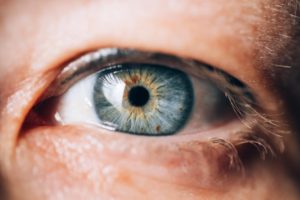
How UV, the visible spectrum and infrared wavelengths may help or harm vision.
Light is fundamental not only to vision but also to human physiology. Yet different wavelengths of light can have profoundly different effects on the eyes—some healing, some harmful and some simply misunderstood.
As an integrative neuro-ophthalmologist, I frequently encounter patients and also fellow practitioners who are unsure about which forms of light support ocular health and which threaten it. Misconceptions are widespread, especially on social media, where anecdote often eclipses scientific evidence. This article brings clarity by examining the science behind ultraviolet (UV), blue, red, yellow, green and infrared wavelengths, highlighting both therapeutic potential and risks.
Ultraviolet Light: Universally Harmful to Ocular Tissues
While sunlight is essential for circadian rhythm regulation and overall well-being, UV radiation is unequivocally damaging to the eye. UV wavelengths—UVA, UVB and UVC—penetrate ocular tissues easily because the eye lacks the protective outer layers found in skin. Even short bursts of exposure can induce oxidative stress and free radical injury that accumulates over a lifetime.
UV light induces direct DNA damage, lipid peroxidation, protein denaturation and activation of inflammatory pathways. These mechanisms contribute to a range of ocular conditions, including pinguecula, pterygium, photokeratitis, cortical and posterior subcapsular cataracts, solar retinopathy and potentially even the progression of macular degeneration.
UV radiation is strongest when the sun is at its zenith, typically between 10 a.m. and 2 p.m. Reflective environments—including snow, sand, water and concrete—can dramatically increase UV exposure by bouncing additional light toward the eyes. Cloud cover is not protective; up to 90 percent of UV radiation can penetrate even on overcast days.
For these reasons, UV protection for our eyes is non-negotiable. Sunglasses that block 100 percent of UVA and UVB rays (equivalent to the UV400 rating) are essential. Large or wrap-around frames or a wide-brimmed hat provide additional coverage by reducing peripheral UV exposure.
There is no scenario in which UV exposure benefits the eyes of humans or other species. Unlike some other wavelengths, UV has no therapeutic utility in ocular tissues. The only appropriate approach is avoidance and consistent protection.
Blue Light: Essential for Circadian Health, Often Misunderstood
Blue light, comprised of wavelengths between 400 and 500 nanometers, plays an important role in regulating circadian rhythms, particularly through specialized retinal cells known as intrinsically photosensitive retinal ganglion cells (ipRGCs). Morning exposure to natural sunlight with high levels of blue light helps suppress melatonin, enhances alertness and set the internal clock for the day.
Concerns about blue light from artificial sources, such as digital devices, causing retinal damage have been raised; however, studies do not support these concerns. The intensity of blue light emitted from screens is far lower than that from natural sunlight. However, digital device use can still strain the visual system, not because of blue wavelengths themselves but due to reduced blink rate, prolonged near work, and accommodative fatigue. These factors contribute to a constellation of visual and non-visual symptoms known as “digital eye strain.”
Blue-blocking glasses have become popular as a solution for digital eye strain, but evidence for their efficacy is limited. Large clinical trials have shown minimal to no improvement in visual comfort, sleep quality or circadian metrics compared to placebo lenses.
What is supported by research is the benefit of the three macular carotenoids—lutein, zeaxanthin and meso-zeaxanthin—which naturally filter blue light at the macula, the center of the retina. Increasing macular pigment density has been shown to improve contrast sensitivity, reduce glare, enhance visual comfort during prolonged screen use, and support overall retinal antioxidant capacity.
Blue light itself is not inherently harmful, but its role is often misunderstood. Natural exposure supports circadian rhythms, while artificial exposure late at night may disrupt sleep patterns. Education on the timing of exposure, rather than blanket avoidance, represents a more balanced approach.
Red and Infrared Light: Innovations in Photobiomodulation
In contrast to UV light, red and near-infrared (NIR) wavelengths are increasingly recognized for their therapeutic potential. Photobiomodulation (PBM)—the use of light wavelengths between approximately 600 and 900 nanometers—holds promise for helping manage potentially vision-threatening conditions.
PBM works by stimulating cytochrome c oxidase, a key enzyme in the mitochondrial respiratory chain. Activation of this pathway enhances cellular ATP production, reduces oxidative stress, stabilizes mitochondrial function, and modulates inflammation. Because retinal photoreceptors and retinal ganglion cells (RGCs) have some of the highest mitochondrial densities and energy requirements in the body, they may be particularly responsive to these wavelengths.
Clinical interest in PBM for age-related macular degeneration (AMD) has grown significantly. The Lumithera LIGHTSITE I, II and III studies demonstrated improvements in best-corrected visual acuity, contrast sensitivity and measures of mitochondrial health in patients with dry AMD. Some participants also showed reductions in drusen volume. While PBM is not a cure, it is FDA (U.S. Food and Drug Administration)-approved and represents a compelling non-invasive option that complements nutritional and lifestyle strategies for dry AMD.
Yellow Light: Emerging Insights Into Nitric Oxide and Optic Nerve Health
Yellow light, typically defined as wavelengths between 570 and 590 nanometers, is being explored for its ability to influence nitric oxide signaling. Nitric oxide is a potent vasodilator and neuromodulator involved in regulating ocular blood flow and supporting optic nerve resilience. Early laboratory research suggests that specific yellow wavelengths may promote nitric oxide release, potentially benefiting conditions such as glaucoma or ischemic optic neuropathy. Though still early in development, this area of research highlights the diversity of light’s biological effects and the importance of wavelength-specific responses.
Green Light: A Promising Non-pharmacologic Therapy for Migraine
Green light therapy has gained considerable attention for its unique interaction with visual and pain-processing pathways in the brain. Unlike blue or red light, green wavelengths generate significantly lower activation of thalamic neurons that mediate light-induced discomfort and pain.
Clinical studies have shown that green light exposure can reduce migraine frequency, decrease photophobia (light sensitivity), and enhance patient tolerance of migraine light triggers. Many patients experience calmer sensory processing under green light, making it an appealing tool for both acute and preventive migraine management.
Myth-busting: The Very Real Dangers of Sun Gazing
Despite scientific consensus, there is a growing trend, fueled by influencers in the wellness and biohacking space, that promotes the practice of “sun gazing,” or staring directly at the sun during sunrise or sunset. Proponents claim improvements in hormonal balance, energy or mood. These claims have no scientific basis and pose real dangers.
Direct solar viewing, even for a few seconds, can cause short-term afterimages, but more importantly, a type of severe and permanent retinal burn injury known as solar retinopathy. Because the retina lacks pain receptors, damage occurs silently and may not be recognized until central vision has already been compromised. Patients may develop central blind spots, distortion and irreversible loss of visual acuity.
Circadian and hormonal benefits attributed to sun gazing can be achieved safely through indirect exposure to morning light, or through closed eyelids, without ever looking directly at the sun. Dispelling this myth is essential, as its potential consequences carry significant implications for vision and also quality of life.
Conclusion: Light as Therapeutic or Damaging—Evidence Must Guide Its Use
Light profoundly influences ocular health, but its effects depend entirely on wavelength, intensity and exposure pattern. UV light is universally damaging and requires strict protection. Blue light supports circadian rhythms, but its role in digital strain is often mischaracterized. Red and infrared wavelengths offer compelling therapeutic potential through photobiomodulation, while yellow and green light represent exciting frontiers for optic nerve health and migraine therapy. Above all, practices like sun gazing must be strongly discouraged due to the well-established risks.
By understanding the nuanced effects of different wavelengths, practitioners can help patients harness the healing potential of light while avoiding its dangers, an approach grounded not in popular social trends but in science and clinical experience.
Dr. Rani Banik is a board-certified ophthalmologist and fellowship-trained neuro-ophthalmologist with additional certification in integrative and functional medicine. Dr. Banik focuses on the root cause of eye diseases, and uses integrative strategies for conditions, such as thyroid eye disease, macular degeneration, cataract, dry eye, glaucoma and other autoimmune diseases of the visual system. She runs a private practice based in New York, NY and is also associate professor of Mount Sinai in New York City where she serves as an educator and researcher. Dr. Banik is frequently featured as an expert in the media and has been interviewed on Good Morning America, CBS, NBC, ABC, The New York Times, The Washington Post and Fox, amongst many others. Dr. Banik’s first book, Beyond Carrots – Best Foods For Eye Health A to Z focuses on the 30-plus nutrients and 40 foods that best provide complete nutrition for your eyes. Its companion cookbook, The Beyond Carrots Cookbook, includes more than 160 delicious and nutritious recipes.