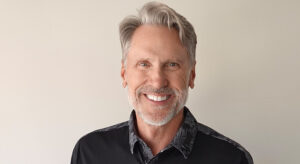
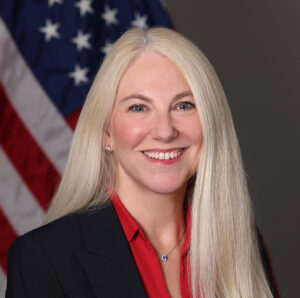
The Participants:
Serena Goldstein, ND, San Francisco, CA, www.drserenagoldstein.com
Jacob Teitelbaum, MD, Kailua Kona, HI, www.vitality101.com
Nicole Avena, PhD, New York, NY & Princeton, NJ, www.drnicoleavena.com
Elizabeth Livengood, ND, Tempe, AZ, (480) 495-0007, www.livengoodhealth.com
Since Natural Practitioner’s (NP) inception, the field of complementary and integrative health (CIH) has grown. Here, NP talks with a panel of practitioners about trends they are noticing, technology, patient- and self-care, COVID-19, as well as the future of CIH.
NP: Are there any health issues that you are seeing a rise in (not including COVID-19)? Why do you think this is the case?
Goldstein: Not necessarily a rise in, but a realization from people that they were putting their health on the back burner, as well as [that] running/driving around everywhere was actually really stressful (contrast from working from home—still posed challenges, but not traveling helped, as well as the potential to spend quality time catching up with friends and family). When it comes to weight, either people noticed that by eating at home they lost weight due to cooking more—and that they really enjoyed eating at home and getting creative with meals—or, they were unhappy because they gained weight not just due to physical appearance, but any stress or anxiety, [or] issues that have not been addressed (anything from work, relationships, childhood trauma, behavior patterns they “knew” they needed to address but never made the time). A popular question was what were they actually doing with their lives? Especially when it came not only to their job, but their life purpose.
There’s a well-known astrologer who coined this the “great pause,” which I think describes this time period wonderfully, as the truth is, we’d likely burn ourselves out as a species if we kept going the way we were going. Everything has been happening so fast, especially over the past few decades. On the contrary, there’s another quip that questions if all this “stress” was really doing so good for our mental health/states of chronic disease.
Teitelbaum: Chronic fatigue syndrome, fibromyalgia, anxiety and depression. Many of these are secondary spinoffs of COVID.
Avena: Substance abuse, food addiction and mental health problems have all risen as a result of the COVID-19 pandemic and subsequent lockdowns and restrictions. The increased stress caused by the crisis mixed with incredibly limited access to professional help (rehab facilities and therapy) have contributed to this. My colleagues and I recently wrote an article on this topic in Fronters in Psychiatry.1
Livengood: My specialty is autoimmune conditions, and my patient load has doubled in the last six months primarily in this area. Perhaps more people are reaching out for help in the complementary medicine field; certainly, more people are coming back to health care since re-openings; but also, there are absolutely more cases. In a study of over 14,000 people, ANA (the “mother” antibody and a precursor to full-blown autoimmune diseases) was found to be over 44 percent more prevalent in 2011 than in 1991.2
I believe this is due to an accumulation of genetic and environmental factors such as our food supply contaminated with GMO (genetically modified organism) and pesticides; EMFs bombarding us 24/7; a seemingly infinite supply of toxic chemicals in our skin, air, water, clothing etc. (xenoestrogens, VOCs, bisphenols, phthalates and other plastics, etc.).
The stress of a pandemic and social isolation on top of our notorious work ethic (or lack of work in some cases) inevitably compounds the problem.
NP: What trends are you noticing in the field of complementary and integrative health?
Goldstein: A big divide. The way big pharma and big tech are working together to make sure people know that only one treatment is available, goes against all that I’ve learned not just in medicine about the body, but as a naturopathic doctor who knows not everyone reacts the same to the same treatment. We talk to the patient about the best plan, first and foremost discussing lifestyle and nutrition (as well as other day to day ways to remain healthy, especially emotionally), and then if we need, we can always bring other therapies on board. Plus, this divide is also happening amongst family, friends, jobs and relationships, an additional potential stressor as humans are meant to be social beings. The exponential rise in patients for psychologists is a testament to people realizing the value of mental health, in working through their issues, as well as asking for natural remedies to help. I’d like to think it’s on the rise, but I believe we have some time before it truly gains traction again. That said, for those who were always interested in natural medicine per se, the deeper meaning of life, etc., I find now have a stronger conviction in wanting to find ways to trust their body not just via natural medicine and modalities, but through spirituality and the purpose of why we’re even here.
Teitelbaum: More practitioners.
Avena: Lockdown has resulted in many people undergoing lifestyle changes and an increase of overall stress. There has been interest in seeking alternative medicine (CIM) in order to tackle health issues in a more holistic manner. CIM focuses on healing the mind and spirit along with the body and can involve practices such as meditation and mindfulness. There has been increased interest in these practices since the COVIID-19 pandemic to combat increased feelings of fear, anxiety and depression. It should also be noted that many of the conventional “Western” medical resources have been re-directed to those ill with the virus, and CIM practices are much more accessible and can be done at home without the supervision of a medical professional.
Livengood: Trends in complementary and integrative health are moving toward high-tech procedures that are not typically covered by insurance. Some examples are PRP and growth factor injections along with the refinement and acceptance of stem cell procedures.
Functional medicine continues to progress with heavy reliance on lab testing which may or may not be covered by insurance.
Due to higher deductibles, more people are willing to spend their out-of-pocket health dollars on integrative therapies that seem more promising, with fewer side effects, than conventional pharmaceuticals and surgeries.
NP: Has COVID-19 changed your practice? If so, how (i.e. tele visits etc.)?
Goldstein: No, it hasn’t. I began my practice virtually in New York City, so I already had telehealth, supplements drop shipped, scheduling set-ups, cash-based and other practices in place.
Teitelbaum: I’ve been practicing telemedicine for a long time, so that has not changed much. I’m spending more time giving people accurate information about what the science is showing about COVID-19, to counteract the misinformation given by both sides in the media.
Livengood: After attempting to launch a telemed-driven practice in 2016, my patients are finally understanding and enjoying the convenience of telemedicine visits. I help them understand that video is better, but a phone call is also considered telemedicine and that text is not HIPAA compliant. Convenience and a fast response are of utmost importance to my patients these days. I’m still identifying areas in my practice where I can better meet their needs while maintaining professional boundaries.
Ironically, my practice took a 50 percent cut in patient visits during COVID, a time when complementary medicine offered a plethora of immune boosting services and supplements.
NP: How have you embraced technology within your practice? Do you use a patient portal, created an app for patients, etc.?
Teitelbaum: I created an iPhone app (Cures A-Z) in 2008, which has had over a million downloads. It gives a rapid overview of over hundred common health conditions, and how to address them. I also created and patented the first computerized physician.
Livengood: My practice is nearly entirely paperless from new patient forms to billing and treatment plans. Of course, documents can be printed at the patient’s request. I also use an online dispensary and transmit supplement prescriptions electronically. Patients love the convenience and free shipping, while I avoid the hassles of inventory and expiration dates. HIPAA secure telemed is another service I started offering again during COVID, which is connected seamlessly to my patient portal.
NP: Do you work with testing labs? If so, what types of tests do you use and how do you choose which labs to partner with?
Goldstein: Yes, commonly ZRT or Dutch. I use them pretty regularly as I work a lot with weight and hormone balance.
Livengood: Lab testing can become very complicated for both patients and practices, so I try to limit the number of labs I deal with. I use my patients’ insurance coverage as much as possible for conventional labs, and then outsource “specialty” labs as needed, such as food sensitivities and micronutrients.
For patients with no insurance or high deductibles, I use two trusted labs that offer great “cash” prices and comprehensive services.
NP: The COVID-19 pandemic has added a lot of stress onto practitioners. What do you do to stay healthy and de-stress?
Goldstein: My most helpful practice is making sure I know my own meaning to life and my soul’s purpose. Last year was incredibly transformative as I had events in my life prior that prompted me to question what was holding me back from expanding not just in practice, but the creativity within my soul. So, I’ve gathered music, chakra meditations, increasing knowledge in astrology, amongst other practices to help me get comfortable in the practices of sitting with myself to not only uncover answers and reasons (as well as forgiveness for where I was), but transmute them to a belief that will serve me moving forward. And by journaling, walks by nature, dancing, having a meltdown … all that I can to express my emotions!
Teitelbaum: Being introverts, my wife and I have barely noticed a difference.
Avena: Having a set bed routine and getting enough quality sleep is important to keep you healthy and in a good headspace. Try to limit screen-time, caffeine, heavy food and alcohol at least an hour or two before you go to sleep so that your body can consistently get into a rhythm of sleep and wake. Healthy eating (limiting sugar) and daily exercise also keep you healthy and consequently happy.
Livengood: Since my practice slowed down during COVID, I built in dedicated self-care time to my week. I participated in a 10-week self-development course; I committed to reading a book or more per month; I created a health plan to address my personal health needs; I upped my yoga practice to five days per week; and I enjoyed more time with family than was previously possible.
NP: Do you carry (or recommend) supplements in your practice? If so, how do you vet the companies you work with?
Goldstein: Yes, to recommending. Commonly, I tend to go with ones that I used during school first, but I always check the ingredients and dose to see if it’s what I would consider for someone, as well as a few reviews. Plus, if other practitioners I know use them, I may be more inclined as well.
Teitelbaum: Looking at their product mixes can give a pretty quick idea about whether the company is applying the science or is making formulas based simply on economics. I have found EuroMedica to be spectacular.
Avena: Many supplements out there are not approved by the FDA (U.S. Food and Drug Administration), so it is important to find supplement companies that are reputable, tested by experts and transparent with their practices.
Livengood: I carry very few supplements because I do not want the expense and tracking hassles. However, almost all my treatment plans include a supplement recommendation. My preferred supplement companies utilize third-party testing, GMP (good manufacturing practice) verified, organic ingredients, and verify that their products are allergen-free. Once I have a trusted vendor, I tend to choose their products over an unknown company.
NP: Overall, how can practitioners better serve and help their patients?
Goldstein: Listen. Many times, what they’re coming in with is not quite the issue at hand. Pay attention to their body language, tone of voice, how you feel when they’re speaking, and be there to validate where they are. Sometimes I thank patients just for coming in—all that brought them here to where they have begun to see more for themselves and health, as they know working with me, we’re going to cover a lot of ground, but they’re ready to embark on this journey.
Teitelbaum: A good start would be by being a model for what type and levels of activity are healthy. Are you feeling burnt out? That makes it harder to help the people you’re treating. It is important to realize that 20-24 hours a week of direct patient care treating the complex cases that come to a holistic practice is a full-time job. Working more than that places doctors at risk of compassion burnout. It is reasonable to find other things to fill in your week if you need more than the 24 hours of income.
Avena: CIM is all about treating health holistically, so the best thing you can do for your patients is to take into account all elements of their personal health history as well as their emotional well-being while they are in treatment or just looking to improve their health. This approach isn’t just about isolating and fixing a problem on the body, it is about restoring the entire person to a state of balance.
Livengood: What I hear most frequently from my new patients is that their previous doctors did not listen or take the time to answer their questions and needs. Occasionally, I hear that doctor’s offices do not return calls! So, the best way to serve our patients is to simply communicate! Listen to them and take the time to address their concerns.
NP: What advice do you have for someone who would like to enter the field of complementary and integrative health?
Goldstein: If you feel it in your bones, do it. It’s not that it’s easier, “woo-woo,” or more popular (or could be at some point perhaps in the future), but is it part of your belief system and your why of how you want to serve in the world. Personally, I wanted “more”—I fell in love with psychology and giving back, always questioned the world, decided to go pre-med instead of a PhD in psychology, yet the system felt too rigid. Perhaps the universe knew, as a month later a field trip to a naturopathic school was the exact “more” (and launching off point to my studies in spirituality) I was calling in. The fact that I went to a college 10 minutes away from one of four ND schools in the nation at that time? I don’t believe that was a coincidence, especially because the university was not my original first choice.
Teitelbaum: Remember you’re working for the person you’re treating, not for the insurance or pharmaceutical industries. If what you are doing is joyful, you are likely on the right path. You continue to grow, so don’t be afraid of change.
Avena: Look for simple, low-risk ways to explore the field. For example, you may want to add decompression exercises and meditation to your treatment plans for your patients.
Livengood: My advice is to have a solid business plan because this is primarily a private-pay based industry. Many complementary services are not covered by insurance, so we are constantly trying to explain the needs to patient and prioritize services based on their budgets. We all want the best for our patients, but if they can’t afford what we offer, then even the best treatment plan is useless. Alternatively, there are more businesses figuring out how to work with insurance to maximize their patients’ benefits.
NP: What does the future hold for the complementary and integrative health field?
Goldstein: It will always be there, and I’m proud to be part of this profession, talking about the power of not just complementary and integrative health, but adding the soul component, given how so much information disease provides when it comes to what we need to learn, clues to where our thoughts need to adjust (i.e., spiritual cause of disease), and even potential clues to ancestral and/or past lives karma that we need to overcome. The life purpose/soul component is actually where I see a lot of this going as commonly those big questions happen when we do actually sit with ourselves, sans distractions.
Teitelbaum: The crystal ball is murky. People are wanting more and more natural therapies.
But the media, including Google and Facebook, is largely controlled by influences that suppress or attack anything positive on natural therapies. So, we will see … But either way, any individual can always create a life that is fantastic, regardless of what changes occur.
Avena: Globalization and interest in alternative medicine will likely bring more CIM into mainstream health communities. This is a better path that is likely more effective than having a divide between conventional medicine and alternative medicine, the latter of which can be misguided and dangerous when not founded on research and science.
Livengood: The demand for complementary and integrative medicine is rapidly rising. “The global complementary and alternative medicine market size is expected to reach $404.66 billion (U.S.) by 2028 (currently 30 billion per year), according to a new report by Grand View Research, Inc. It is expected to expand at a CAGR of 22.03 percent from 2021 to 2028.”3 I would agree with this based on my patients voicing their concerns with the short conventional visits that invariable conclude with a list of pharmaceuticals. Patients are too savvy these days to accept this limited type of care.
References:
1 Avena NM, Simkus J, Lewandowski A, Gold MS, Potenza MN. Substance Use Disorders and Behavioral Addictions During the COVID-19 Pandemic and COVID-19-Related Restrictions. Front Psychiatry. 2021 Apr 16;12:653674. doi: 10.3389/fpsyt.2021.653674. PMID: 33935838; PMCID: PMC8085389.
2 www.niehs.nih.gov/news/newsroom/releases/2020/april8/index.cfm.
3 www.grandviewresearch.com/press-release/global-alternative-complementary-medicine-therapies-market.
![[Extra! Extra!] Practitioner Roundtable—Continued](https://naturalpractitionermag.com/wp-content/uploads/2026/09/PractitionerRoundtable-featuredimage-300x164.jpg)