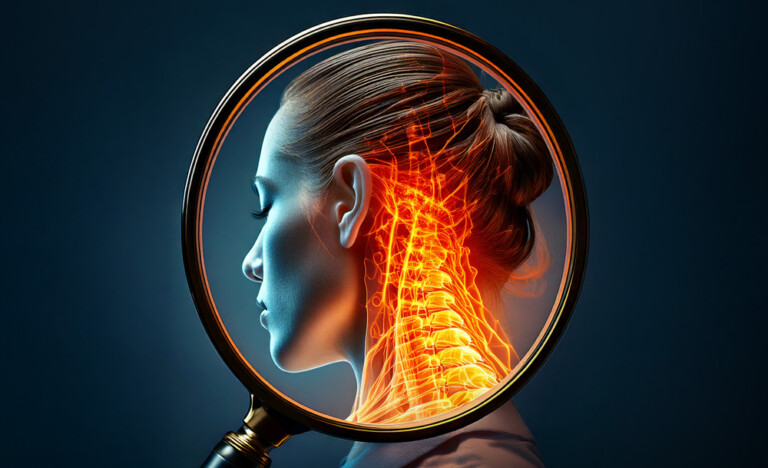
NP examines natural approaches to treating pain and inflammation.
Pain and inflammation both serve a practical purpose. Pain signals to the brain that part of the body requires medical care or that one needs to change one’s behavior in order to avoid harm. Meanwhile, inflammation helps the body respond to infections, injuries and other threats, and is a vital part of the healing process.
But what happens when pain and inflammation interfere with the body’s natural processes and contribute to chronic disease? What happens when pain and inflammation themselves become chronic? How should integrative and alternative practitioners respond when patients experience chronic pain? Here are just some of the ways that complementary and alternative medicine practitioners can address the many types of pain and inflammation that patients may experience.
Pain and Inflammation Come in Different Flavors
There are several different types of pain and inflammation that can strike patients. According to Jacob Teitelbaum, MD, the concept of pain is divided into at least seven categories. These categories include muscle pain, inflammatory pain such as arthritis, neuropathy, central sensitization, organ and sinus pain, sympathetically mediated pain, migraines and allodynia, where light touch hurts.
“Central sensitization, brain pain and microglial activation are overlapping terms,” Dr. Teitelbaum explained. “They most often reflect that infections or chronic pain has caused the brain to amplify the pain. As for organ and sinus pain, the most common would be irritable bowel syndrome and sinusitis secondary to candida. Certainly, cancers can also trigger compression pain in tissues and organs.”
Dr. Teitelbaum explained that sympathetically mediated pain, often called Complex Regional Pain Syndrome, is one of the worst and refractory types of chronic pain one could suffer.
As for inflammation, Dr. Teitelbaum said that the body’s inflammatory response typically happens using one of three mechanisms. COX enzyme-mediated inflammation is the most common type of inflammation, which is why most arthritis medications block COX. LOX inflammation is primarily found in the lungs and intestines. Finally, neuroinflammation, as the name implies, is inflammation of the brain.
“The key neuroinflammation issue is microglial activation,” Dr. Teitelbaum noted. “It can be triggered by any of a number of infections, and it’s routinely caused by chronic pain or autoimmune injury. It is critical and easy to treat, but usually is missed. It is essential that the microglial activation be treated in all chronic pain or severe autoimmune conditions.”
Michael A. Smith, MD, director of education and spokesperson for supplement brand Life Extension in Fort Lauderdale, FL, noted that pain, at its most basic level, can be divided into either acute or chronic pain. While acute pain is a protective mechanism that makes one aware of an injury, Dr. Smith said, chronic pain is persistent, and can last for months or years.
“Chronic pain can drastically reduce quality of life,” Dr. Smith said. “We now know that 79 percent of chronic pain patients report disruptions in daily activities, and 67 percent indicate that chronic pain negatively impacts their personal relationships. Chronic pain is often
resistant to conventional medical treatments, and pharmacologic management of chronic pain is hindered by grave long-term side effects.”
Dr. Smith explained that pain is typically divided into two major categories: nociceptive and neuropathic. Nociceptive pain guards the body against potential injury, and it occurs as a result of the activation of peripheral pain receptors called nociceptors. In contrast, neuropathic pain is the result of injury or dysfunction in the nervous system. He noted that neuropathic pain can produce a variety of unusual pain sensations that can be described as burning, crushing or pins and needles.
“Unlike nociceptive pain, neuropathic pain often persists for prolonged periods of time, even after the original trauma or dysfunction is addressed,” Dr. Smith said. “Since neuropathic pain is more complex than nociceptive pain, it is consequently more difficult to treat.”
In addition to chronic pain, inflammation can also become chronic. He explained that chronic inflammation can be triggered by cellular stress and dysfunction, including factors like oxidative stress and elevated blood sugar levels. The danger of chronic inflammation, Dr. Smith said, is that its silent nature belies its destructive power.
Acute and Chronic Inflammation Contribute to Chronic Disease
Much like pain, inflammation comes in a variety of types. Cheryl Myers, chief of scientific affairs and education at supplement brand EuroMedica in Green Bay, WI, said that inflammation can be divided into two categories: systemic and specific. Systemic inflammation, she explained, often happens in the case of autoimmune disease or heart disease. Meanwhile, specific inflammation typically occurs with a dislocated shoulder, ankle sprain, neck injury or other localized injury.
Inflammation can also be acute or chronic. Adam Killpartrick, DC, chief development officer at supplement brand InfiniWell in Dallas, TX, explained that while acute inflammation is part of the body’s natural response to injury or infection, chronic inflammation is far different.
“Acute inflammation, including redness, swelling, heat, and pain, help with healing,” he said. “Chronic inflammation lingers, often without obvious symptoms, and can contribute to long-term health issues if left unchecked. Chronic inflammation is at the root of nearly every major disease we see today, from heart disease to diabetes to autoimmune conditions and even mood disorders.”
Dr. Killpartrick noted that chronic inflammation is the result of an overactivation of the protein complex NF-κB. This protein complex acts as a master regulator of the body’s inflammatory response. Once activated, the complex instructs cells to produce inflammatory cytokines like IL-6, TNF-alpha and IL-1 beta. These cytokines call in the immune system to respond, which is helpful in short bursts, but problematic when it’s ongoing.
“These cytokines don’t just signal the immune system—they also further activate NF-κB, leading to even more cytokine production,” he said. “That’s the vicious cycle. This feedback loop keeps the immune system in a constant state of low-grade activation, which can damage tissues, disrupt insulin signalling, impair mitochondrial function and eventually contribute to a range of chronic diseases.”
Over time, Dr. Killpartrick said this can lead to tissue breakdown and immune dysregulation, which are central to chronic disease. Even worse, chronic inflammation is often silent, with no immediate symptoms.
Inflammation can have even worse effects on patients whose bodies are already compromised by chronic disease. Celine Torres-Moon, MD, senior scientist at NOW Health Group in Bloomingdale, IL, explained that when acute inflammation occurs in an already weakened body, it is more likely to be more intense and have more negative consequences.
“A common upper respiratory infection in a healthy individual will trigger a general acute inflammatory response that will last a few days and will disappear on its own after seven to 10 days,” she said. “On the contrary, the same trigger in patients with diabetes or asthma may become complicated to a severe lower respiratory infection that necessitates hospitalization or even results in death.”
Meanwhile, Dr. Torres-Moon noted that chronic inflammation typically aggravates chronic diseases or generates complications of those diseases. For instance, in diabetes patients, chronic inflammation contributes to arteriosclerosis, which, when combined with diabetic microangiopathy and neuropathy, can result in necrosis of the toe.
Importantly, acute and chronic inflammation exhibit entirely different biomarkers, enabling practitioners to differentiate between them. Dr. Smith explained that under normal circumstances, acute inflammation is self-limiting and resolves within days or weeks once the inflammatory stimulus is removed.
“The resolution phase involves the clearance of inflammatory cells, dilution of chemokine gradients, and the transition from a pro-inflammatory to a reparative environment,” he explained. “This process is tightly regulated to ensure that inflammation ceases once its protective purpose has been fulfilled.”
In contrast, Dr. Smith said that inflammation becomes chronic when acute inflammatory mechanisms fail to eliminate the tissue injury or when the resolution phase is disrupted. Unlike acute inflammation, which is characterized by neutrophil infiltration and short duration, chronic inflammation involves a different cellular composition. Dr. Smith explained that chronic inflammation is typically characterized by macrophages, lymphocytes and plasma cells, and can persist for months or years. Low-grade, chronic inflammation, he said, drives many mechanisms involved in chronic disease development and progression.
Natural Approaches Can Relieve Acute and Chronic Pain & Inflammation
Pain and inflammation are troublesome for patients, especially when they become chronic. While pharmaceutical treatment options do exist, they often come with unwanted side effects. In contrast, there exists a wide array of natural health approaches that practitioners can use to relieve many types of pain and help calm inflammation.
Dr. Torres-Moon explained that there is no one-size-fits-all approach to treating pain and inflammation, although there are certain practices that seem to have benefits. First and foremost, prescribing the patient a healthy diet is ideal.
“Having a diet rich in fresh produce and proteins, and low in refined sugars and ultra-processed foods, is ideal,” she said. “Maintaining good hydration with filtered water and resting when needed are also important to limit the consequences of inflammation, as are maintaining good sleep quality and limiting stress of daily life, where possible.”
Dr. Torres-Moon added that regular exercise is important advice that practitioners can give patients, although patients should be cautioned against over-exercise, as this can trigger inflammation.
Dr. Torres-Moon also said that it’s important to thoroughly examine the patient and keep a detailed record of when and how pain and inflammation flare-ups happen, as this can help the practitioner to understand the underlying cause of the pain and inflammation.
“Depending on the history and clinical examination, the practitioner can also perform some laboratory tests to check for markers of inflammation, detect vitamin deficiencies, check for thyroid function, do a CBC and metabolic panel, check for kidney and liver function, and eventually perform autoantibody testing and allergy tests,” Dr. Torres-Moon explained. “Furthermore, image testing may be necessary to diagnose the origin of certain types of pain. Once the practitioner has a clear understanding of the underlying conditions responsible for the pain and/or inflammation, they can recommend a personalized plan of supplementation as well as a specific diet and exercise regimen.”
Dietary supplementation can play a key role in combatting pain and inflammation, assuming the examination found that the patient has a nutrient deficiency. Dr. Torres-Moon recommended vitamin D supplementation, as vitamin D deficiency is the most common nutrient deficiency in North America. The results of the assessment, she said, may even warrant targeted vitamins and minerals in addition to a multivitamin.
“Depending on underlying conditions, botanicals and other supplements may be beneficial when used in a targeted manner,” Dr. Torres-Moon said. “Turmeric, ginger, willow bark, mushrooms, m-glucans, elderberry and olive leaf extract will support the immune reaction to internal and external challenges. Furthermore, free radical scavengers like NAC, glutathione, quercetin and bromelain can provide additional support.”
Dr. Torres-Moon cautioned that integrative medicine practitioners should be aware that chronic pain patients often come in with a low state of confidence in the medical world, and rebuilding trust is often an uphill battle. Many chronic pain patients have been bounced from practitioner to practitioner in the conventional medical world without getting answers, typically because chronic pain and inflammation require extensive and thorough investigation. Integrative medical practitioners, she said, have an opportunity to shine by providing comprehensive and holistic care.
One part of holistic care for pain and inflammation patients could involve homeopathic remedies. Christophe Merville, DPharm, director of pharmacy development and education for Boiron USA in Newtown Square, PA, noted that different types of pain often require different homeopathic remedies. Arnica montana, he explained, is ideal for trauma such as pain, bruising and swelling, whereas Bryonia helps with joint pain that worsens with movement. Rhus tox is ideal for stiffness, whereas Ruta graveolens targets tendon and ligament discomfort.
“For nerve pain caused by trauma or conditions like sciatica, Hypericum perforatum is a key homeopathic medicine,” Dr. Merville said. “Each type of reaction requires a tailored approach based on the symptoms and affected area.”
Other products include dietary remedies like Agmatine. Gad M. Gilad, PhD, co-founder of supplement brand Gilad & Gilad in Las Vegas, NV, said that Agmatine is a robust neuroprotective dietary ingredient that practitioners should include in their arsenal for fighting neuropathies.
“Naturally occurring neuroprotective molecules offer a tangible opportunity for developing safe and effective therapeutics,” Dr. Gilad said. “Our discovery of the neuroprotective properties of agmatine, a ubiquitous naturally occurring molecule, a metabolite of the amino acid arginine, was substantiated by worldwide scientific research, and suggested that agmatine may offer such an opportunity.”
In clinical trials, Dr. Gilad explained agmatine has been found to accelerate nerve pain recovery and improve quality of life in patients with lumbar disc-associated radiculopathy and with small fiber neuropathy. Agmatine, Dr. Gilad said isn’t an anti-inflammatory agent; rather, it acts by modulating several key molecular targets that are implicated in cellular stress responses and pain.
Addressing Pain and Inflammation
Too many patients suffer needlessly and stand at an increased risk of chronic diseases as a result of acute and chronic pain and inflammation. Natural health practitioners are uniquely positioned to offer patients hope and healing with nutritional and lifestyle interventions. First and foremost, practitioners must understand the different types of pain and inflammation that patients can experience, as not all kinds of pain and inflammation will respond to certain treatments. Practitioners should also caution patients about the long-term health impacts of chronic pain and inflammation and encourage them to pursue clinically validated treatments. Natural health practitioners can help to relieve patients’ pain and calm their inflammation through a combination of supplements, homeopathic remedies and lifestyle changes. But perhaps most importantly, natural health practitioners can give patients hope that a pain-free life is possible.
Healthy Take Aways
• Pain and inflammation come in many different types including acute and chronic.
• 79 percent of chronic pain patients report disruptions in daily activities.
• 67 percent of chronic pain patients indicate that chronic pain negatively impacts their personal relationships.
For More Information:
Boiron, www.boiron.com
EuroMedica, www.euromedicausa.com
Gilad & Gilad, https://fornervehealth.com
InfiniWell, https://infiniwell.com
Life Extension, www.lifeextension.com
Protocol for Life Balance, www.protocolforlife.com