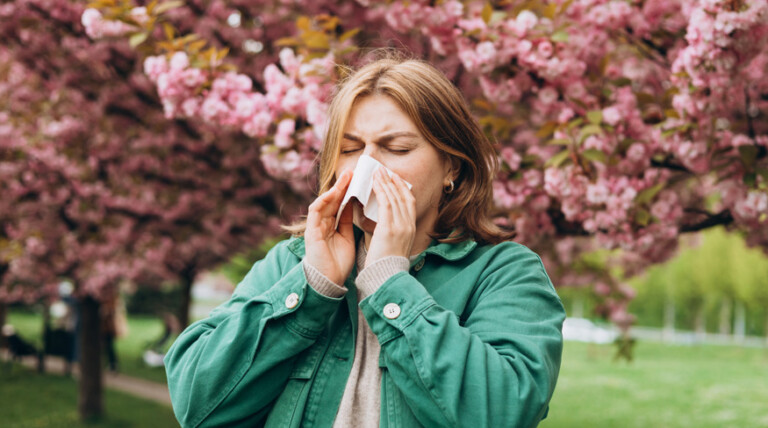
For both patients and practitioners, finding effective allergy treatment that doesn’t cause side effects can seem like trying to solve an unsolvable mystery.
Whether you have patients who deal with allergies intensely during a short season, or patients who suffer for months on end, you’ll want to give them options that don’t leave them feeling jittery, sluggish or sleepy. Fortunately, solutions really do exist, and even if they are not yet familiar to your patients, they are not mysterious at all.
Allergies: A Case of Mistaken Identity
The discomfort and symptoms caused by allergies are due to a case of mistaken identity. The immune system is really trying to help, but it just doesn’t recognize when there isn’t an actual threat or how to respond in proportion to the situation at hand. The basic role of the immune system is to tell “self” from “not self” and destroy anything that might be harmful, such as bacteria or viruses, while leaving our own tissues alone. However, in the case of allergic responses, the immune system overreacts, and goes into a “red alert” over something that is not really dangerous.
In an allergic response, the body produces compounds that attach themselves to immune system cells called mast cells. When this happens, the mast cells release large amounts of histamine. The histamine reaction creates swelling and induces more inflammation, redness and itching. For those dealing with these symptoms, it can feel like the options are very limited.
That’s because many of the drugs used to treat allergies are themselves unhealthy, causing the very insomnia, dizziness, jitteriness, nausea, increased blood pressure, dry mouth or fatigue that your patients are understandably trying to avoid.
Certainly, using air purifiers, thoroughly cleaning (or removing) carpets and heavy curtains and closing windows during times of high allergy triggers can make a difference, and those are good, sensible tips to share with your patients. But I’m sure that these suggestions would also leave them wanting something more. And that’s why proposing effective, natural options that reduce allergic symptoms and responses can help them through the season without having to choose between suffering from allergies or the side effects of conventional drugs.
The Case for Quercetin
While quercetin may not be quite as well-known to your patients as other immune strengthening ingredients, it is quite common in many foods. In fact, this flavonoid polyphenol compound is abundant in apples, grapes, onions, teas, tomatoes and various herbs–many of which are part of virtually everyone’s daily diet.1
There’s no doubt that a diet rich in quercetin-containing foods can help people stay healthy. After all, the great variety of nutrients from whole foods work is simply going to be better than a diet of processed, refined foods. But there’s also plenty of research that backs up using a concentrated form of the compound for moderating allergic responses and respiratory concerns.
For example, quercetin inhibits mast cell and eosinophil activation (which otherwise trigger allergic symptoms), reduces histamine release, relaxes the trachea and reduces inflammatory compounds in cells that line the inside of the lungs. It can balance the production of immunoglobulin-E (IgE) production in the lymph nodes, preventing—or least moderating—the inflammatory effects of IgE in tissues throughout the body.1,2
In other scientific study, human peripheral-blood CD4+T cells were treated with quercetin for 24 hours. Those treated cells inhibited IL-5 and IL-13 production by suppressing their transcription and mRNA expression. Again, it’s not that an immune response from the body is bad—it simply needs to fit the occasion. Because quercetin addressed the factors responsible for allergic reactions, rather than simply trying to mitigate symptoms, researchers conducting this study concluded that it could be a valuable ally to fight the effects of allergic rhinitis. And honestly, that’s what patients want—not the drowsiness or side effects of conventional drugs.3
Some researchers also consider that quercetin could easily become a natural bronchodilator medicine for treating chronic obstructive pulmonary disease (COPD) and asthma. One scientific study on cells from COPD patients have found that there is also potential for quercetin to make the conventional medicine for COPD more effective when patients develop resistance to them.4
In scientific research, quercetin’s ability to inhibit mast cell release from pro-inflammatory cytokines IL-6 and TNF was superior to that of cromoglicic acid (cromolyn sodium), a drug commonly used for the prevention and treatment of allergic rhinitis and asthma symptoms.1,5
Additionally, quercetin balances the response of T-helper cells (Th-1 and Th-2) and decreases inflammatory cytokine activity and leukotriene creation, making it a potentially valuable ally in treating a variety of autoimmune conditions, respiratory reactions and atopic dermatitis as well.1,6
The Vitamin C Connection: A Working Synergy
By now, it’s almost a cliché that vitamin C (ascorbic acid) is so intensely associated with bolstering the immune system, that patients (and their practitioners) could easily be forgiven for not realizing the full value of this very common nutrient.
But vitamin C’s well-deserved status as an antioxidant is critical in modulating or allergic or immune responses. It’s ability to scavenge cellular reactive oxygen species (ROS) allows it to intercept or preempt the ROS-required signals that fire up pro-inflammatory cytokines.7
With its multitude of duties, vitamin C is in high demand by tissues throughout the body, so it’s best to have consistent dosage of at least around 200 mg per day for ideal immune responses. I would recommend entering an allergy season, before symptoms start, with that level in order to prep the system for the challenges ahead.8
Both Nutrients Together Are Stronger Than One Alone
A randomized, double-blind clinical study found that a combination of quercetin and vitamin C was more effective in reducing C-reactive protein levels and the inflammatory marker IL-6, than either nutrient used alone. The individuals in this study were non-professional athletes who, in the course of their workouts, typically generated a lot of potential free radical and inflammatory damage. So, granted, that particular work was far afield from allergy concerns, but I think it illustrates a good point about the duo of quercetin and vitamin C working together as supplemental nutrients, probably much the same way they do when found in foods.
As to why both nutrients worked better together than they did separately, one answer may be in the way that vitamin C regenerates quercetin. Once quercetin becomes oxidized during its work in the body, it splits into metabolites which can be recycled as quercetin and prevent free radical damage once again. This is one way that vitamin C can help make quercetin more bioavailable. But it’s not the only way.9
Bolstering Bioavailability Is Key
Quercetin, like many botanical nutrients, can benefit from an added push to make it more bioavailable right from the beginning. Gamma cyclodextrin may be another answer to the question of quercetin’s absorbability.
Gamma cyclodextrin is an oligosaccharide that envelops fat-soluble nutrients in an open-ended microscopic structure, which has been described as bucket-shaped, or as a truncated cone. The exterior of this molecule is water soluble, which allows it to escort ingredients through intestinal walls for better absorption. Essentially, it gives a fat-soluble nutrient the absorption qualities of water-soluble one.10
Other nutrients that become even more useful when paired to gamma cyclodextrin include CoQ10, propolis and red ginseng.
In fact, in the case of CoQ10 and gamma cyclodextrin, absorption is increased by as much as 800 percent, so there’s a good case to be made for the ingredient with other formulations to boost their bioavailability and effectiveness, as well.11
Recent clinical work shows that the addition of gamma cyclodextrin to red ginseng appeared to improve the herb’s efficacy for improving energy, stamina and mental clarity effects of individuals dealing with post viral fatigue. In this study, the combination of red ginseng and gamma cyclodextrin showed similar results in half the dosage compared to a standard encapsulated form of the same botanical.12
Other work with caffeic acid phenethyl ester (CAPE), a component of propolis, found that the compound’s anti-tumor activity was greatly enhanced when it was combined with gamma cyclodextrin—most likely because this pairing made the polyphenol-rich CAPE more stable and less apt to degrade into caffeic acid.13
But aside from absorption enhancement, gamma cyclodextrin has health-promoting properties all on its own, even lowering postprandial glucose levels by 47 percent in a clinical study examining blood sugar levels. So, gamma cyclodextrin has a lot to recommend it in addition to its potential for helping quercetin absorb, and then be assisted by and recycled by ascorbic acid.14
Boswellia: A 5-LOX Blocker
The use of boswellia (Boswellia serrata) resin dates back thousands of years in ayurvedic practice, and in recent decades, the herb’s mechanisms of action have become the subject of intensive study. What has been discovered is that while boswellia affects multiple pathways in the body, it is especially adept at modulating the 5-LOX (5-lipoxygenase) pathway. And, along with many conditions, especially autoimmune diseases, 5-LOX inflammation is associated allergies, asthma and respiratory inflammation.15-18
Scientific study has shown that, like quercetin, boswellia can inhibit the action of mast cells and reduce histamine levels.17,18 And, because boswellia is an anti-inflammatory, it may also reduce the sinus pressure and swelling.
Boswellia can be incorporated into an integrative protocol for patients with asthma as well. In a double-blind, placebo-controlled, six-week clinical study, boswellia was tested in 40 individuals with asthma, ranging from 18 to 75 years old and a mix of 23 men and 17 women. At the end of the study, 70 percent of those in the boswellia group showed marked improvement, including fewer attacks, less labored breathing, and lower eosinophilic count.19
In another clinical study showing similar results, boswellia was one of three botanicals in a combination. In this placebo-controlled study, 63 patients were divided into two groups; one received the herbal combination (boswellia, licorice root and turmeric root), the other a placebo. At the end of the four-week study, the herbal group showed a statistically significant drop in leukotriene levels and other inflammatory markers compared to the placebo group.20
The reason for these results is, in part, due to boswellia’s actions on 5-LOX. Normally 5-LOX activates the “4-series leukotrienes” (LTB4, LTC4, LTD4, and LTE4), which are primary activators of bronchial constriction. But with the dampening effect of boswellia on 5-LOX in the first place, those secondary actions are less like to be initiated, or to be as severe.21-23
Like any supplemental ingredient, there are variations in boswellia compounds, and as a result, differences in effectiveness. One of the key compounds in Boswellia serrata is acetyl-11-keto-B-boswellic acid (AKBA). Some unstandardized forms of boswellia may contain only about two percent AKBA, where properly standardized extracts should provide at least 10 percent, and be filtered to remove most beta-boswellic acid, which can be pro-inflammatory.16,18
Help Your Patients Avoid More Serious Issues, Too
It’s completely understandable that many patients might not consider supplemental options to alleviate allergy or other respiratory symptoms. After all, there are plenty of over-the-counter options available, and many of them appear, at first blush, to be pretty effective—even with some expected side effects.
Beyond the drowsiness, jitters and other “workable” side effects of conventional drugs for allergies or asthma, there are very real dangers from the anticholinergic aspects of these treatments.
One of the good reasons for the short-term use warnings for many of these drugs is due to their potential for serious damage down the line. For instance, diphenhydramine, commonly known by the brand name Benadryl, is one of many drugs that block the action of acetylcholine in the brain, which translates into memory loss, attention deficits and slower motor skills.
These effects haven’t been unknown. They have simply been accepted as some of the routine, unpleasant and supposedly short-lived effects of the medications. However, more current research has revealed that these conditions aren’t as benign or reversible as was once thought.24,25 Even milder anticholinergic drugs used for at 90 days (or more) have been found to be associated with an odds ratio of dementia by 43 percent.26 So, for these, and many other reasons, it’s definitely in a patient’s best interest to recommend the effective alternatives I’ve outlined here.
Quercetin, vitamin C and boswellia can do exactly that. They provide relief by addressing the causes of the problems—leukotriene release, histamine actions, and inflammatory cytokines that lead to itching, sneezing and respiratory symptoms. In my experience, these simple nutrients, properly formulated, can be a valuable addition to a seasonal protocol for allergy sufferers, or anyone who deals with respiratory concerns, including asthma and COPD, throughout the year.
References:
1 Mlcek J, Jurikova T, Skrovankova S, Sochor J. Quercetin and Its Anti-Allergic Immune Response. Molecules. 2016 May 12;21(5):623.
2 Janeway CA Jr, Travers P, Walport M, et al. Immunobiology: The Immune System in Health and Disease. 5th edition. New York: Garland Science; 2001. The production of IgE. Available from: www.ncbi.nlm.nih.gov/books/NBK27117/.
3 Tanaka Y, Furuta A, Asano K, Kobayashi H. Modulation of Th1/Th2 Cytokine Balance by Quercetin In Vitro. Medicines (Basel). 2020 Jul 30;7(8):46. doi: 10.3390/medicines7080046. PMID: 32751563; PMCID: PMC7459988. www.ncbi.nlm.nih.gov/pmc/articles/PMC7459988/.
4 Mitani A, Azam A, Vuppusetty C, Ito K, Mercado N, Barnes PJ. Quercetin restores corticosteroid sensitivity in cells from patients with chronic obstructive pulmonary disease. Exp Lung Res. 2017 Nov – Dec;43(9-10):417-425.
5 Weng Z, Zhang B, Asadi S, et al. Quercetin is more effective than cromolyn in blocking human mast cell cytokine release and inhibits contact dermatitis and photosensitivity in humans. PLoS One. 2012;7(3):e33805. doi:10.1371/journal.pone.0033805.
6 Jafarinia M, Sadat Hosseini M, Kasiri N, Fazel N, Fathi F, Ganjalikhani Hakemi M, Eskandari N. Quercetin with the potential effect on allergic diseases. Allergy Asthma Clin Immunol. 2020 May 14;16:36.
7 Cerullo G, Negro M, Parimbelli M, Pecoraro M, Perna S, Liguori G, Rondanelli M, Cena H, D’Antona G. The Long History of Vitamin C: From Prevention of the Common Cold to Potential Aid in the Treatment of COVID-19. Front Immunol. 2020 Oct 28;11:574029.
8 Carr AC, Maggini S. Vitamin C and Immune Function. Nutrients. 2017;9(11):1211. Published 2017 Nov 3. doi:10.3390/nu9111211.
9 Askari G, Ghiasvand R, Feizi A, Ghanadian SM, Karimian J. The effect of quercetin supplementation on selected markers of inflammation and oxidative stress. J Res Med Sci. 2012 Jul;17(7):637-41. PMID: 23798923; PMCID: PMC3685779.
10 Wüpper S, Lüersen K, Rimbach G. Cyclodextrins, Natural Compounds, and Plant Bioactives-A Nutritional Perspective. Biomolecules. 2021 Mar 9;11(3):401. doi: 10.3390/biom11030401. PMID: 33803150; PMCID: PMC7998733.
11 Terao K, Nakata D, Fukumi H, Schmid G, Arima H, Hirayama F, Uekama K. Enhancement of oral bioavailability of coenzyme Q 10 by complexation with γ-cyclodextrin in healthy adults. Nutrition Research – NUTR RES. 26. 2006. 503-508. 10.1016/j.nutres.2006.08.004.
12 Teitelbaum J, Goudie S. An Open-Label, Pilot Trial of HRG80™ Red Ginseng in Chronic Fatigue Syndrome, Fibromyalgia, and Post-Viral Fatigue. Pharmaceuticals. 2022; 15(1):43.
13 Wadhwa R, Nigam N, Bhargava P, et al. Molecular Characterization and Enhancement of Anticancer Activity of Caffeic Acid Phenethyl Ester by γ Cyclodextrin. J Cancer. 2016;7(13):1755-1771.
14 Asp ML, Hertzler SR, Chow J, Wolf BW. Gamma-cyclodextrin lowers postprandial glycemia and insulinemia without carbohydrate malabsorption in healthy adults. J Am Coll Nutr. 2006 Feb;25(1):49-55.
15 Ammon HP. Modulation of the immune system by Boswellia serrata extracts and boswellic acids. Phytomedicine. 2010 Sep;17(11):862-7.
16 Ammon HP. Boswellic acids in chronic inflammatory diseases. Planta Med. 2006 Oct;72(12):1100-16.
17 Pungle P, Banavalikar M, Suthar A, Biyani M, Mengi S. Immunomodulatory activity of boswellic acids of Boswellia serrata Roxb. Indian J Exp Biol. 2003 Dec;41(12):1460-2.
18 Siddiqui MZ. Boswellia serrata, a potential antiinflammatory agent: an overview. Indian J Pharm Sci. 2011 May;73(3):255-61.
19 Gupta I, Gupta V, Parihar A, Gupta S, Lüdtke R, Safayhi H, Ammon HP. Effects of Boswellia serrata gum resin in patients with bronchial asthma: results of a double-blind, placebo-controlled, 6-week clinical study. Eur J Med Res. 1998 Nov 17;3(11):511-4.
20 Houssen ME, Ragab A, Mesbah A, El-Samanoudy AZ, Othman G, Moustafa AF, Badria FA. Natural anti-inflammatory products and leukotriene inhibitors as complementary therapy for bronchial asthma. Clin Biochem. 2010 Jul;43(10-11):887-90.
21 Ammon HP, Safayhi H, Mack T, Sabieraj J. Mechanism of anti-inflammatory actions of curcumine and boswellic acids. J Enthnopharmacol 1993;38:113-119.
22 Sharma ML, Khajuria A, Kaul A, et al. Effect of salia guggal ex-Boswellia serrata on cellular and humoral immune responses and leucocyte migration. Agents Actions 1988;24:161-164.
23 Samuelsson B, Leukotrienes: mediators of immediate hypersensitivity and reactions and inflammations, Science. 1983, 220:568-75.
24 Collamati A, Martone AM, Poscia A, Brandi V, Celi M, Marzetti E, Cherubini A, Landi F. Anticholinergic drugs and negative outcomes in the older population: from biological plausibility to clinical evidence. Aging Clin Exp Res. 2016 Feb;28(1):25-35.
25 Fox C, Smith T, Maidment I, et al. Effect of medications with anti-cholinergic properties on cognitive function, delirium, physical function and mortality: a systematic review. Age Ageing. 2014 Sep;43(5):604-15.
26 Cai X, Campbell N, Khan B, Callahan C, Boustani M. Long-term anticholinergic use and the aging brain. Alzheimers Dement. 2013 Jul;9(4):377-85.
Dr. Holly Lucille is a nationally recognized licensed naturopathic physician, lecturer, educator and author of Creating and Maintaining Balance: A Women’s Guide to Safe, Natural, Hormone Health. Her private practice, Healing From Within Healthcare, focuses on comprehensive naturopathic medicine and individualized care. Outside of her practice, Dr. Lucille holds a position on the American Association of Naturopathic Physicians board of directors and is on the faculty of the Global Medicine Education Foundation. She is the past president of the California Naturopathic Doctors Association, where she spearheaded a lobbying effort to have naturopathic doctors licensed in the state of California. A graduate from the Southwest College of Naturopathic Medicine, Dr. Lucille’s commitment to naturopathic medicine has been recognized with the Daphne Blayden Award and, more recently, the SCNM Legacy Award.