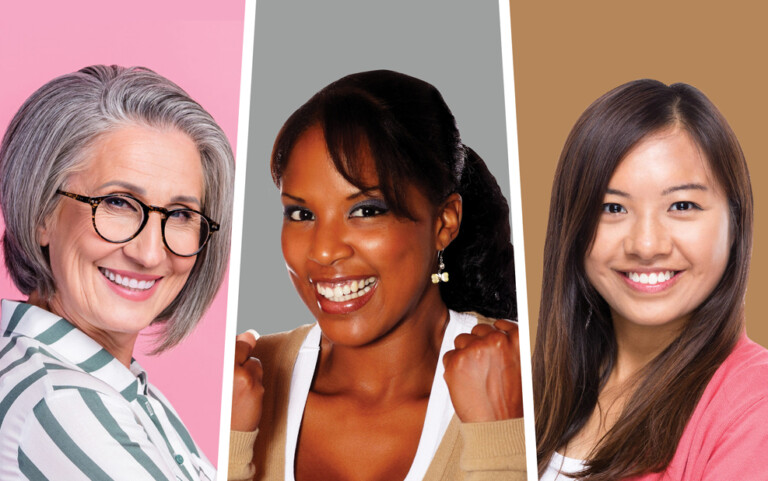
A holistic and proactive approach for women’s health.
According to Grand View Research, the women’s health and beauty supplements market is expected to grow at a compound annual growth rate (CAGR) of 5.1 percent from 2023-2030.
This growth can be attributed to a rise in health-consciousness among people, the increasing nutritional deficiencies in women, rising access to supplements and an increasing number of distribution channels.
Serena Goldstein, a naturopathic doctor based in Delray Beach, FL, said women are becoming more aware of their health and want to take a natural approach to the concerns and daily life.
“I have also noticed women desiring to become more aware of their body’s signs and symptoms, for example whether it’s not consuming certain food or drink that can trigger weight gain or poor sleep or even paying attention (and desiring to gravitate) to people and/or scenarios that encourage healthier, and a calmer state of mind,” Dr. Goldstein said.
Dr. Mindy Pelz is a women’s health expert who specializes in helping women view menopause as a time of “growth and wisdom.” She agreed that more women are taking control of their health.
“We’ve seen a huge increase in older women taking control of their health. For so long, society has viewed aging as a bad thing, especially for women. But the truth is your menopause and post-menopause years can be one of the most rewarding chapters of your life. While aging comes with challenges, it also brings freedom—from menstrual cycles, fluctuating hormones, the insecurity of youth, and so many of the social expectations that serve to hurt women, not empower them,” Dr. Pelz said.
Women’s Health Trends
According to a 2025 Brightfield Group report, social mentions of perimenopause now rival obesity in terms of online attention. This reflects a growing desire to address under-supported stages of hormonal transition, noted Brian Zapp, director of marketing at Texas-based Applied Food Sciences (AFS).
Cheryl Myers, chief of scientific affairs and education at EuroMedica (Green Bay, WI), said that she is cautiously optimistic about the greater awareness for women’s health compared to 20 years ago, especially regarding common conditions.
“And while all the care may vary depending on region—for instance, how well a community is served by practitioners—at least information for topics like endometriosis, polycystic ovarian syndrome (PCOS), and others is more readily available,” she explained.
Katie Stone, copywriter and naturopathic physician at Washington-based Methyl-Life, observed a sharp rise in awareness across several areas of women’s health. Hormone-related conditions affect a large proportion of women and many are seeking solutions that don’t involve pharmaceutical interventions.
“Women are learning more about genetic factors like MTHFR (methylenetetrahydrofolate reductase) and how they relate to mood, hormones and cardiovascular health,” Dr. Stone said. “Gut health remains a major focus, not just for digestive issues but for supporting immune function and mental health. ADHD (attention-deficit/hyperactivity disorder) is also receiving more attention, particularly in adult women, as awareness grows around how symptoms can present differently compared to men.”
David Winston, RH(AHG), founder of Herbalist & Alchemist (Washington, NJ), agreed that women continue to be more proactive about their health and are concerned with prevention of disease and ways to have healthy menstrual cycles, pregnancies and menopause.
“Menarche is normal, menstruation is normal, pregnancy is a natural process, as is menopause. For several centuries women have been often ignored medically and told their issues are imaginary, unimportant or not worth researching,” Winston said. “Orthodox medicine has turned women’s normal life processes into disease states that need pharmaceutical or surgical interventions. For generations, women were given incorrect medical advice that have negatively affected their and their children’s health.”
PMS, PCOS and Pregnancy
Premenstrual syndrome (PMS) and PCOS are just two of the many health conditions affecting women. According to an American population-based study in the American Journal of Obstetrics & Gynecology (AJOG), the incidence of PCOS was four- to five-fold greater than reported for the United Kingdom. The prevalence of PCOS (5.2 percent) was double the previously published U.S. estimates (2.9 percent) based on the International Classification of Diseases codes.
“Incident diagnoses have increased over time in younger and decreased in older age groups, perhaps related to shifting practice patterns with greater awareness among practitioners of the impact of polycystic ovary syndrome on long-term health outcomes and improved prevention efforts. Moreover, increasing obesity rates may be a factor driving the earlier ages at diagnosis,” said Pam Conboy, health care practitioner support & education, at New York-based Omni-Biotic Brands.
According to Jessica Stefanski, NMD, LAc, FABNE, clinical education manager at Standard Process (Palmyra, WI), PCOS is the most common endocrine disorder in women. Many women struggle to get a timely and accurate diagnosis, which can lead to an increased risk of fertility issues, endometrial cancer and mental health disorders.
“While the conventional medical treatment of PCOS relies heavily on medications like metformin, oral contraceptives and GLP-1 agonists, patients can experience several side effects, and these medications rarely lead to a cure,” Dr. Stefanski said. “Natural medicine can be a powerful tool to support all aspects of health in women with PCOS. It is important to develop a partnership with PCOS patients and set expectations regarding the dietary and lifestyle interventions that are often needed for long-term reversal of the condition.”
According to Dr. Pelz, PCOS, PMS, irregular periods and the severity of menopause symptoms are all fundamentally hormone imbalance problems.
“PMS, PCOS, menopause, irregular periods—so many of women’s challenges are rooted in hormones. Our estrogen and progesterone levels dictate our reproductive wellbeing. The challenge is that they’re in constant flux, and if you don’t keep them balanced with one another, all kinds of health issues begin to take hold,” she said.
Dr. Stone explained hormonal imbalance is a “vast and complicated” area of women’s health. Estrogen and progesterone impact various bodily systems and can take an enormous toll on physical, mental and reproduction health when out of balance.
“Around 90 percent of women of reproductive age are affected by premenstrual symptoms. While most of these symptoms include mild cramps, bloating and mood swings, about 20 percent of women are affected by symptoms severe enough to interfere with work and social life. Another 2 to 8 percent are affected by premenstrual dysphoric disorder (PMDD), which is now recognized as a psychiatric disorder in the DSM (Diagnostic and Statistical Manual of Mental Disorders),” Dr. Stone said.
According to Myers, the dangers of endocrine disruptors in the environment, food, serving and storage dishes and personal care items cannot be overestimated. These compounds, phthalates and bisphenol A, wreak havoc on both men and women, but especially women.
“Xenoestrogens (meaning foreign estrogens) contribute to most health issues specific to women. So does our obesity and blood sugar epidemic. Sugar that cannot get into the cell to be burned for energy because of insulin resistance ends up being converted to the storage form of sugar—adipose tissue or fat,” Myers explained. “And fat cells make estrogen, which contributes to estrogen dominance. Therefore, there is no simple answer for women’s health issues as so many aspects need to be assessed and addressed.”
According to Winston, different women have differing factors including genetics, lifestyle, diet, stress and environmental exposures that play a role in their health.
“Treating the person, rather than the disease will almost always achieve the best results. This is also true of menopausal symptomatology,” Winston noted. “There is not one herb or supplement that effectively treats all women experiencing menopausal issues. Still, a healthy diet, regular exercise, healthy lifestyle choices, stress reduction techniques, adequate good quality sleep are the foundation of health whether someone is 18, 35, 50 or 80.”
Zapp said what has been the most notable is the surge of awareness around perimenopause and the broad range of symptoms that women are now discussing such as trouble sleeping, low energy, irregular mood changes, brain fog and weak or brittle hair and nails.
“While plenty of brands on the market are available to address these symptoms individually, consumers would benefit from products that want to go deeper and support the root cause of these changes,” he explained. “One of the most common conditions that is surfacing is hormonal imbalances, especially regarding estrogen dominance.”
Infertility and pregnancy-related issues are also a major concern for women.
“In regards to pregnancy, what I have noticed is it seems like more women are not being able to breastfeed, or breastfeed as long as they would like, perhaps attributed to underlying hormone imbalances (or thyroid issues, blood sugar, etc.) as a common issue,” Dr. Goldstein said.
According to Dr. Stone, studies have shown that women are more likely to use the internet for information about their hormonal health and well-being. However, the quality of information online varies greatly.
“This is especially worrying when it comes to pregnancy nutrition—a time when the body demands specific nutrients to support the health of both mother and baby,” she said. “It’s easy for women to get confused about what they should and shouldn’t be taking, what forms of nutrients are best, and how to choose a quality supplement.”
Remedies and Lifestyle
To truly support hormone balance, it is important to understand how estrogen can become unbalanced in the first place.
“Estrogen plays a critical role in mood, metabolism and reproductive function. Yet, excess estrogen, particularly the most potent form of estradiol, can accumulate due to not only natural hormone fluctuations but also daily exposure to estrogen mimickers,” Zapp explained. “These include synthetic estrogens from medications, phytoestrogens from foods like soy and flax, and xenoestrogens from pesticides, preservatives and microplastics. While these exposures are often unavoidable, their combined impact can lead to estrogen dominance and its wide array of symptoms.”
Dr. Goldstein recommended stress reduction, which can be starting with a nourishing routine in the morning such as ample time to oneself, or whatever it means to set an intention for the day. She also said it is important to foster a healthy circadian rhythm of seven to nine hours and aiming for a whole-food diet.
Dr. Pelz noted that diet is one of the biggest factors in hormone balance. She recommended cutting out sugar and refined carbs because they’re horrible for hormone balance and will trigger cravings, inflammation, weight gain and more. She recommended replacing refined carbs with natural versions such as squash, beans and sweet potatoes. She also recommended eating more healthy fats such as omega-3s and monounsaturated fats and lots of soy.
Myers said it is imperative to remove endocrine disruptors out of your life and the lives of those you love. Eating organic, reading food and personal care product labels and voting for environmental initiatives are also important.
“Movement is also key, as it boosts health and burns more calories. I encourage many women to have a very thorough thyroid examination. The TSH (thyroid stimulating hormone) is not enough, as it can be wrong, and people at the low end of ‘normal’ can experience problematic symptoms of low thyroid function. I always encourage practitioners to treat the patient, not the numbers!” Myers said.
Products
There is a variety of products available for women to support their health and wellness. Dr. Goldstein recommended products such as evening primrose, fish oil, vitamin D, vitamin C, magnesium, methylated B complex and an adrenal support blend depending on concerns. Dr. Pelz also recommended vitamin D and 200-300 mg of magnesium glycinate an hour before bed.
“We make vitamin D in our skin cells, using UV light from the sun as a cofactor. That was fine for our ancestors because they spent most of the day outside. But a recent study found that the average American is indoors 92 percent of the time. It’s no surprise that almost everybody has low vitamin D. Fortunately, vitamin D is cheap and widely available. Talk to your doctor, but for most of us, 2,000 IU a day is a good place to start,” Dr. Pelz explained.
EuroMedica has numerous products that support’s women’s health including Essential Multivitamin, DIM + Curcumin, ProHydra-7 and Cortisol Stress Support.
The Standard Process Female Endocrine Pack is an all-in-one supplement packet that delivers whole food extracts, essential fatty acids, glandular extracts and key nutrients to support healthy endocrine function.
“It includes blackcurrant seed and tuna omega-3 oils, glandular extracts from bovine ovary, adrenal, pituitary, thyroid and hypothalamus, and Catalyn, a blend of superfoods and nutritional extracts intended to bridge key gaps in the diet,” Dr. Stefanski said.
CelluThrive is a branded D-glucarate ingredient that helps the body eliminate excess estrogen and estrogen mimickers, which are often at the root of hormone-related symptoms.
“It works by enhancing the body’s natural detoxification pathway (glucuronidation) so that estrogens and other toxins are rendered water-soluble and properly excreted,” Zapp explained. “Importantly, it also inhibits β-glucuronidase, an enzyme that can reverse this detox process in the gut and cause estrogen to re-activate back into circulation. Effectively eliminating metabolized estrogens can support a smoother transition through perimenopause and menopause, while also promoting better energy, mood stability and even hair/skin health.”
Herbalist & Alchemist’s Women’s Transition Compound is a formula based on Winston’s 49 years of clinical practice and science. It is designed to support a normal healthy transition throughout the perimenopausal years and menopause. It combines chaste tree (Vitex agnus-castus) with black cohosh. The formula also included shatavari, dong quai, milky oat, night blooming cereus and sage.
“I use milky oat for people who burn the candle at the top, the bottom, the middle, the back and have lost their emotional foundation. Used along with night blooming cereus, the nervine cardiac tonic, they help relieve anxiety, agitation and depression. Sage helps reduce excessive sweating, enhances digestion and has nootropic effects,” Winston explained.
Omni-Biotic’s Hetox is one such targeted gut-liver/metabolism probiotic formulation which has been clinically demonstrated to reduce inflammation, and improve insulin resistance, cardiometabolic parameters, HgA1c, glucose, weight and hip-waist ratio, according to Conboy.
Methyl-Life’s Chewable Methylated Multivitamin is ideal for women of reproductive age and is also suitable as a pregnancy multi. It contains methylfolate, the active form of folate, that is instantly absorbed and utilized by the body. The formula also contains hydroxycobalamin, an active form of vitamin B12, which works alongside methylfolate to support neurotransmitter synthesis and healthy mood.
According to Dr. Stone, methylfolate is considered superior to folic acid because it doesn’t require any further conversion in the body, and it bypasses the MTHFR genetic mutation.
“MTHFR stands for methylenetetrahydrofolate reductase, an enzyme required for converting folate and folic acid into its active form so the body can use it,” Dr. Stone explained. “A mutation on the MTHFR gene means that folate is not converted properly, leading to reduced methylfolate levels and disruptions across multiple systems, from DNA synthesis and neurotransmitter production to homocysteine metabolism, glutathione production and fetal development during pregnancy. There are several variants of the MTHFR mutation, and it’s estimated that around 60-70 percent of individuals have at least one variant, so it’s far more common than many realize.”
Conclusion
“We live in a very stress filled world and many women find themselves in situations that are simply unsustainable. They are expected to work full time, take care of the home, the children, aging parents, and be the best partner, friend and lover possible. How can anyone fulfill these unrealistic expectations?” Winston said. “Added to that, women often have to work twice as hard to achieve half the success as their male counterparts. This is a recipe for stress-induced depression, anxiety, migraines, fibromyalgia, CFIDS (chronic fatigue immune dysfunction syndrome), and other equally debilitating chronic degenerative diseases.”
Healthy Take Aways
• The women’s health and beauty supplements market is expected to grow at a CAGR of 5.1 percent from 2023-2030.
• According to a 2025 Brightfield Group report, social mentions of perimenopause now rival obesity in terms of online attention.
• According to an American population-based study, the incidence of PCOS was four- to five-fold greater than reported for the United Kingdom.
• The prevalence of PCOS (5.2 percent) was double the previously published U.S. estimates (2.9 percent) based on the International Classification of Diseases codes.
For More Information:
Applied Food Sciences (AFS), www.appliedfoods.com
Beljanski Foundation (Maison Beljanski), www.beljanski.org
EuroMedica, www.euromedicausa.com
Herbalist & Alchemist, www.herbalist-alchemist.com
Methyl-Life, www.methyl-life.com
Omni-Biotic Brands, www.omnibioticlife.com
Standard Process, www.standardprocess.com