Study

Study Shows Promise of Individualized Treatment For Cognitive Decline
A proof-of-concept study led by Heather Sandison, ND, and implemented by researchers at National University of Natural Medicine (NUNM) Helfgott Research Institute could have far-reaching, positive impacts on the future of cognitive decline research. While Alzheimer’s disease (AD) affects approximately 6 million people in the U.S. and 50 million people worldwide, clinical trials have been disproportionately focused on ...

Keep Fit to Avoid Heart Rhythm Disorder and Stroke
A study in more than 15,000 people has found that physical fitness is linked with a lower likelihood of developing atrial fibrillation and stroke. The research was presented at ESC Congress 2023. Atrial fibrillation is the most common heart rhythm disorder, affecting more than 40 million people worldwide. It is estimated that one in three ...

Exercise Training and Yoga Can Help Improve Lung Function in Adults With Asthma
Yoga and breathing control practices, in combination with aerobic training, are particularly key exercises for asthmatic people seeking to improve their lung function, a new peer-reviewed study suggests. The research, published in the journal Annals of Medicine highlights the importance of integrating appropriate exercise training into asthma management plans. The findings demonstrate just how effective specific types ...

PLANT Act Introduced Into Congress
On July 28, U.S. Representative Jim McGovern (D-MA) introduced the Peas, Legumes and Nuts Today (PLANT) Act, which would help ensure that U.S. Department of Agriculture (USDA) programs support farmers and companies producing plant-based foods. The PLANT Act would establish the Office of Plant-Based Foods and Innovative Production at the USDA; increase USDA incentives for farmers ...

Older Adults Who Remain More Active Have a Better Quality of Life, Study Finds
A reduction in the amount of time spent physically active when adults are over 60 years old is linked to lower quality of life, according to a study published in Health and Quality of Life Outcomes. The same was also true for increases in the amount of sedentary time, such as watching TV or reading. The ...

Having a Pet Is Associated With Fewer Food Allergies in Young Children, Study Says
In an analysis of more than 65,000 infants from Japan, children exposed to pet cats or indoor dogs during fetal development or early infancy tended to have fewer food allergies compared to other children, according to a study published in PLOS ONE by Hisao Okabe from the Fukushima Regional Center for the Japan Environment and Children’s ...

Altered Gut Bacteria May Be Early Sign of Alzheimer’s Disease
People in the earliest stage of Alzheimer’s disease—after brain changes have begun but before cognitive symptoms become apparent—harbor an assortment of bacteria in their intestines that differs from the gut bacteria of healthy people, according to a study by researchers at Washington University School of Medicine in St. Louis, MO. The findings, published in Science Translational ...
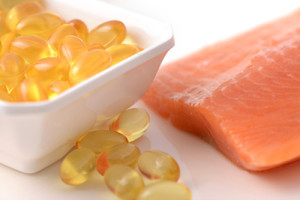
Fatty Fish Consumption Increases Cell Membrane Fluidity, Study Says
Eating fatty fish decreased the lipophilic index in people with impaired glucose metabolism or coronary heart disease, according to a new study from the University of Eastern Finland. The lipophilic index is considered a marker of cell membrane fluidity, and a low lipophilic index indicates better membrane fluidity. In a study published in Nutrition, Metabolism & Cardiovascular Diseases, a low ...
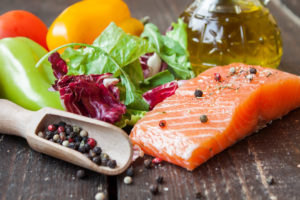
Mediterranean Diet Associated With Decreased Risk of Dementia, Study Finds
Eating a traditional Mediterranean-type diet—rich in foods such as seafood, fruit, and nuts—may help reduce the risk of dementia by almost a quarter, a new study has revealed. Experts at Newcastle University (U.K.) found that individuals who ate a Mediterranean-like diet had up to 23 percent lower risk for dementia than those who did not. ...

Coffee With Milk May Have an Anti-inflammatory Effect
Can something as simple as a cup of coffee with milk have an anti-inflammatory effect in humans? Apparently so, according to a new study from the University of Copenhagen (Denmark). A combination of proteins and antioxidants doubles the anti-inflammatory properties in immune cells. The researchers hope to be able to study the health effects on ...
Don't Miss Out!


Industry Professionals
Stay Informed!
Stay informed about the latest health, nutrition, and wellness developments by signing up for a FREE subscription to Natural Practitioner magazine and digital newsletter.
Once subscribed, you will receive industry insights, product trends, and important news directly to your doorstep and inbox.