Study

Climate Change Likely to Reduce the Amount of Sleep That People Get Per Year
Most research looking at the impact of climate change on human life has focused on how extreme weather events affect economic and societal health outcomes on a broad scale. Yet climate change may also have a strong influence on fundamental daily human activities—including a host of behavioral, psychological and physiological outcomes that are essential to ...

Diet Type Can Increase Potentially Harmful Gas in the Gut
Published in Clinical Nutrition, researchers from the University of Minnesota (U of M) Medical School looked at colonic hydrogen sulfide—a toxic gas in the body that smells like rotten eggs—production in people in response to animal- and plant-based diet interventions. “Although the role of hydrogen sulfide has long been a subject of great interest in ...

Study: 100 g of Cranberries a Day Improves Cardiovascular Health in Men
A new clinical trial found daily consumption of cranberries for one month improved cardiovascular function in healthy men. The new study, published in Food & Function, included 45 healthy men who consumed whole cranberry powder equivalent to 100 g of fresh cranberries per day (9 g powder) or a placebo for one month. Those consuming cranberry ...
Obesity May Lead to a Decline in Lung Function in Premenopausal and Postmenopausal Women
Obesity has been linked to a wide array of health problems. A new study suggests that abdominal obesity as measured by body mass index (BMI) and waist circumference, may result in a greater risk of chronic obstructive pulmonary disease (COPD) and asthma. Study results are published online in Menopause, the journal of The North American ...

Flavonoids May Reduce Mortality Risk For People With Parkinson’s Disease
People with Parkinson’s disease (PD) who eat more flavonoids—compounds found in richly colored foods like berries, cocoa and red wine—may have a lower mortality risk than those who don’t, according to a new study. Specifically, the researchers found that when people who had already been diagnosed with PD ate more flavonoids, they had a lower ...

Mindfulness Can Get Wandering Thoughts Back on Track
Everyone has times where their mind won’t stay on task. For example, you might be listening to someone talk in a meeting or class and your mind wanders to your dinner plans. Notably, research suggests that 30 to 50 percent of our daily thoughts are spent on this kind of mind wandering, and that excessive ...

Bone Mineral Density Decreases Less Than Expected After Menopause
Bone mineral density at the femoral neck bone in postmenopausal women decreased by an average of 10 percent during a 25-year follow-up, according to a new study from the University of Eastern Finland. Being the world’s hitherto longest follow-up of changes in bone mineral density in postmenopausal women, the study shows that bone loss after ...

Postmenopausal Women Can Dance Their Way to Better Health
Women often struggle with managing their weight and other health risk factors, such as high cholesterol, once they transition through menopause. A new study suggests that dancing may effectively lower cholesterol levels, improve fitness and body composition and in the process, improve self-esteem. Study results are published online in Menopause, the journal of The North American ...

Healthy Fat Impacted By Change in Diet and Circadian Clock
Changing your eating habits or altering your circadian clock can impact healthy fat tissue throughout your lifespan, according to a preclinical study published today in Nature by researchers with The University of Texas Health Science Center at Houston (UTHealth). Healthy fat tissue helps provide energy, supports cell growth, protects organs and keeps the body warm. A good ...
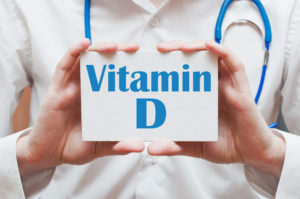
Supplements May Protect Those With Low Vitamin D Levels From Severe COVID-19
Patients with low vitamin D levels who are hospitalized for COVID-19 may have a lower risk of dying or requiring mechanical ventilation if they receive vitamin D supplementation of at least 1,000 units weekly, according to a study presented virtually at ENDO 2021, the Endocrine Society’s annual meeting. “Given how common vitamin D deficiency is ...
Don't Miss Out!

Industry Professionals
Stay Informed!
Stay informed about the latest health, nutrition, and wellness developments by signing up for a FREE subscription to Natural Practitioner magazine and digital newsletter.
Once subscribed, you will receive industry insights, product trends, and important news directly to your doorstep and inbox.